

How Lundi is Doing | Two Months After Her Injury
- 12 June 2026
-
3
-
-


Following up on our April blog on Lundi’s recovery, we wanted to share where she is now in her healing journey.
You can revisit the earlier update here
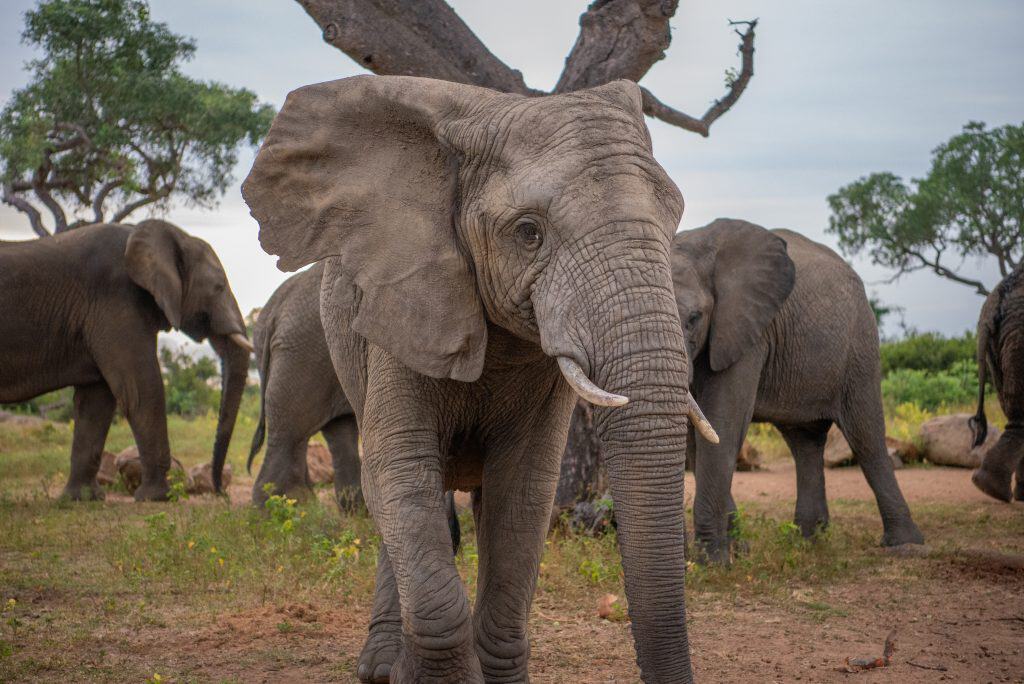
Over the past month, Lundi’s wound has continued to receive dedicated and consistent care. The team has been cleaning it twice daily using HOCl, with an additional morning treatment using F10 combined with insecticides to reduce the risk of infection and flies.
At one point, I asked Dr Rogers to assist with a deeper clean. There appeared to be slightly more pus than we were comfortable with, and given the depth of the wound, I was concerned about the potential risk of maggot infestation in areas we cannot easily see. Dr Rogers performed a standing sedation using BAM, allowing a thorough inspection and cleaning.
We have been closely involved in the research around the use of BAM in elephants, and I feel confident using it, especially with its development by WildPharm. One of its greatest advantages is that it is fully reversible, with a rapid recovery following administration of the reversal agent. This makes it an invaluable tool for procedures such as wound care, where keeping the elephant standing significantly reduces risk.
Fortunately, when Dr Rogers assessed Lundi, the wound looked healthier than expected, with far less pus than we had feared. While the intervention may not have been strictly necessary, it provided great reassurance, and sometimes, peace of mind is just as important in the healing process.
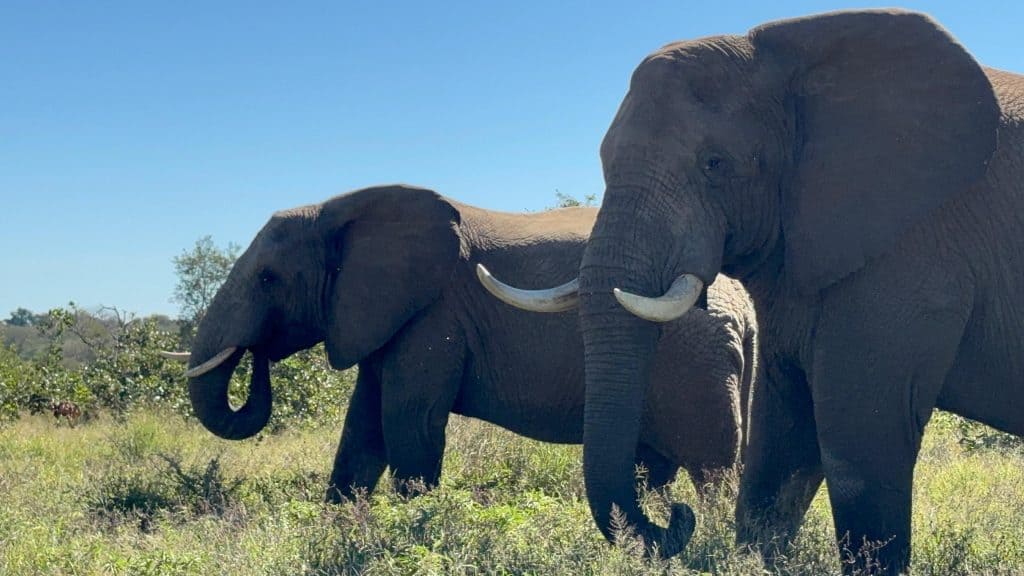
Of course, despite all our careful cleaning, Lundi remains an elephant at heart. She continues to enjoy her mud, sand, and dust baths, natural behaviours that, interestingly, also play a role in protecting her wound.
We did attempt to flush the wound more deeply using a longer tube, but Lundi made it very clear that she was uncomfortable with this. We listened to her cues and adjusted accordingly, continuing with a gentler syringe method instead.
The dedication of the carers has been remarkable. Stavros and Last have been primarily responsible for the hands-on wound care, showing consistency and patience every single day. In the evenings, Godknows ensured the wound was sprayed before the herd returned to the homestead, helping to keep it clean overnight. When I was unable to be there, Tigere kept me informed with daily updates, allowing me to stay closely connected to Lundi’s progress.
What stands out most is how extraordinary the healing process has been. Nearly three months on, a deep and significant wound is now close to fully closing. It is a powerful reminder of the resilience of these animals.
Elephants have an incredible ability to heal, supported by a highly adapted immune system, efficient inflammation regulation, and a rich blood supply that delivers oxygen and essential cells to damaged tissue. Their natural behaviours, like coating themselves in mud and dust, also create a protective barrier against insects and environmental exposure.
WARNING FOR SENSITIVE VIEWERS
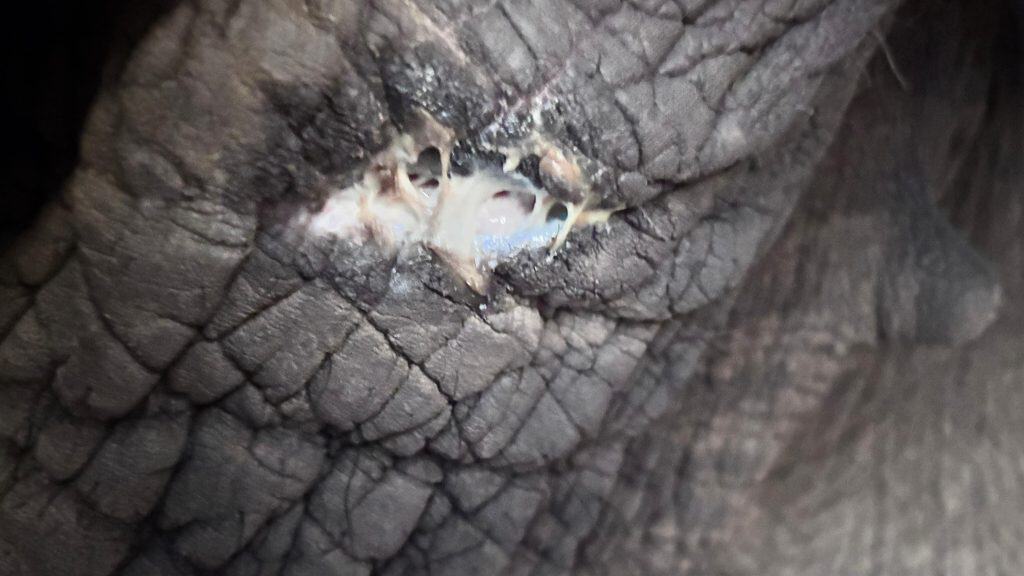
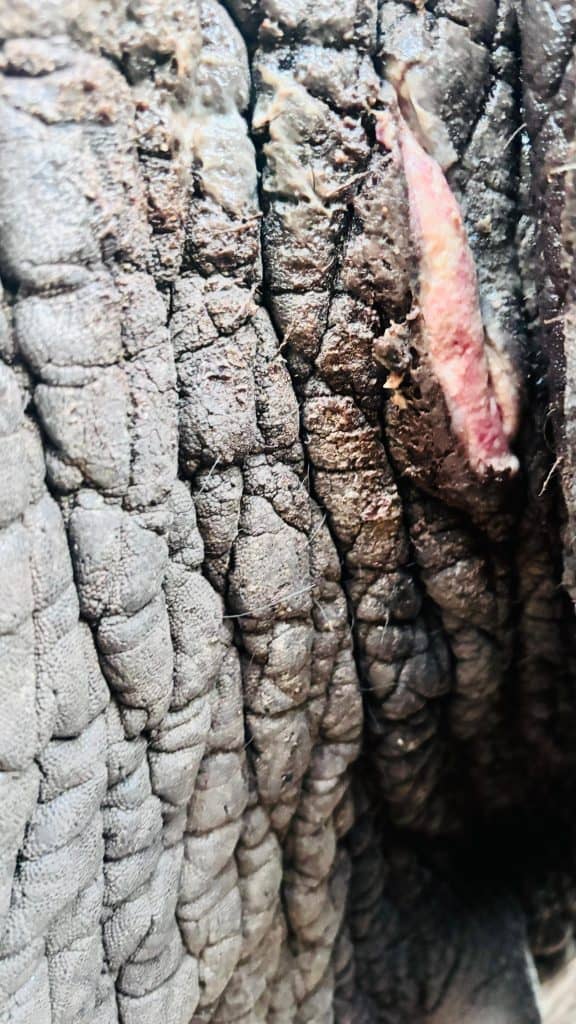
While veterinary care plays a critical role, through cleaning, debridement, and infection control, the elephant’s own biology, combined with the quiet support of the herd, is just as important.
Emotionally, Lundi continues to show us subtle signs of memory and caution. While there is no overt tension between her and Sebakwe, and they are often seen together, Lundi still keeps her distance at the waterhole. After what she has been through, one can hardly blame her, she paid a very high price.
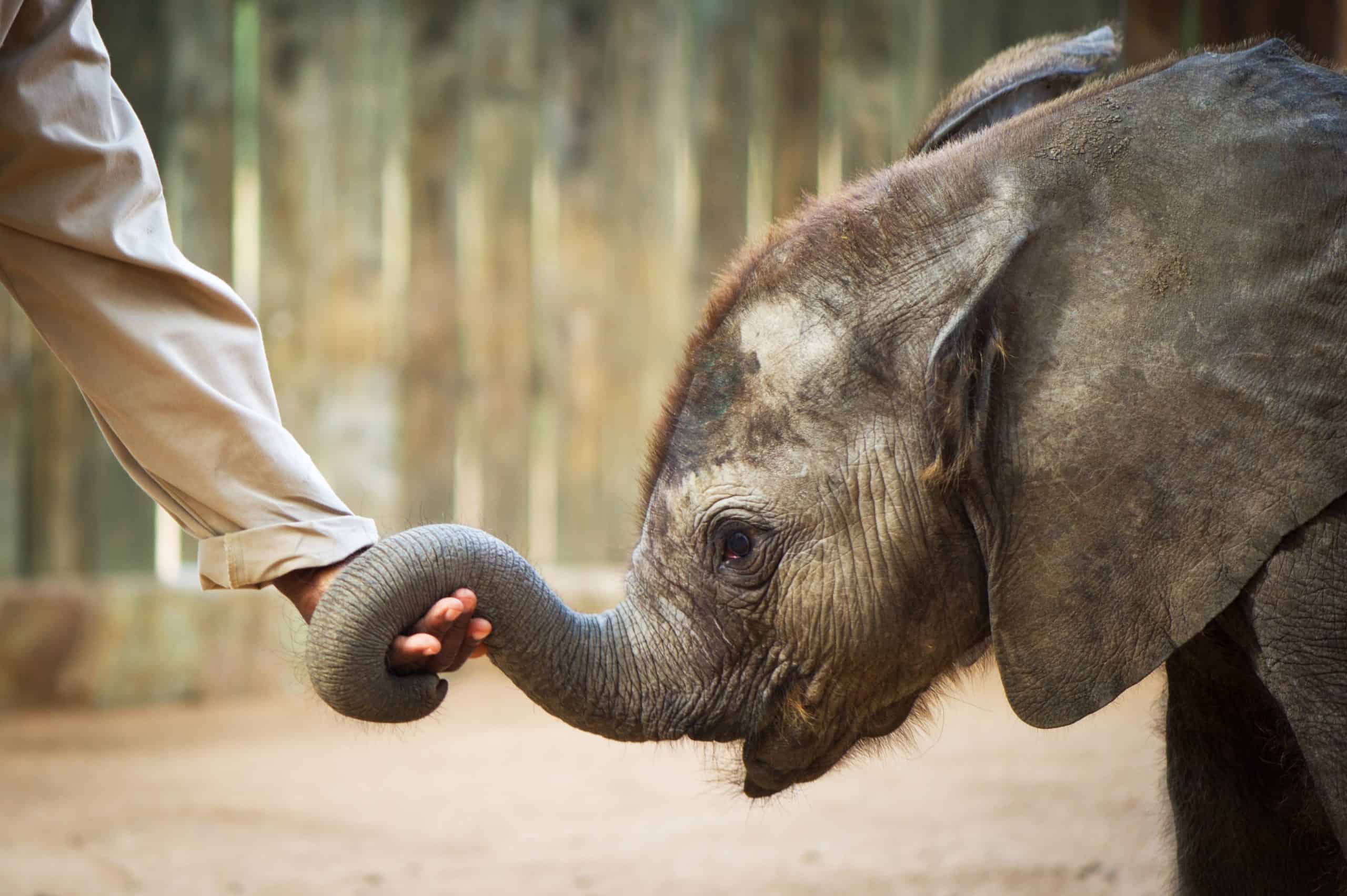
One of the most touching aspects of Lundi’s recovery has been her trust. She has never resisted the carers during treatment. At times, when the wound was sensitive, she would gently shift her leg to protect it—but otherwise, she has shown remarkable tolerance and cooperation throughout.
We are hopeful that by the end of June, the wound may be completely closed.
It has been a journey of patience, care, and resilience, and Lundi continues to inspire us every day.
If you are moved by Lundi’s story and want to help us take care of her and the rest of the herd, please make a donation here.


Mary
I am so happy to hear this, go Lundi!! And a big thank you to her caretakers for their love and dedication.
Terry
thank you so much for this update. I have been worried about her.