

What We’re Learning About Helping Orphans Join the Herd
- 23 July 2026
-
1
-
-


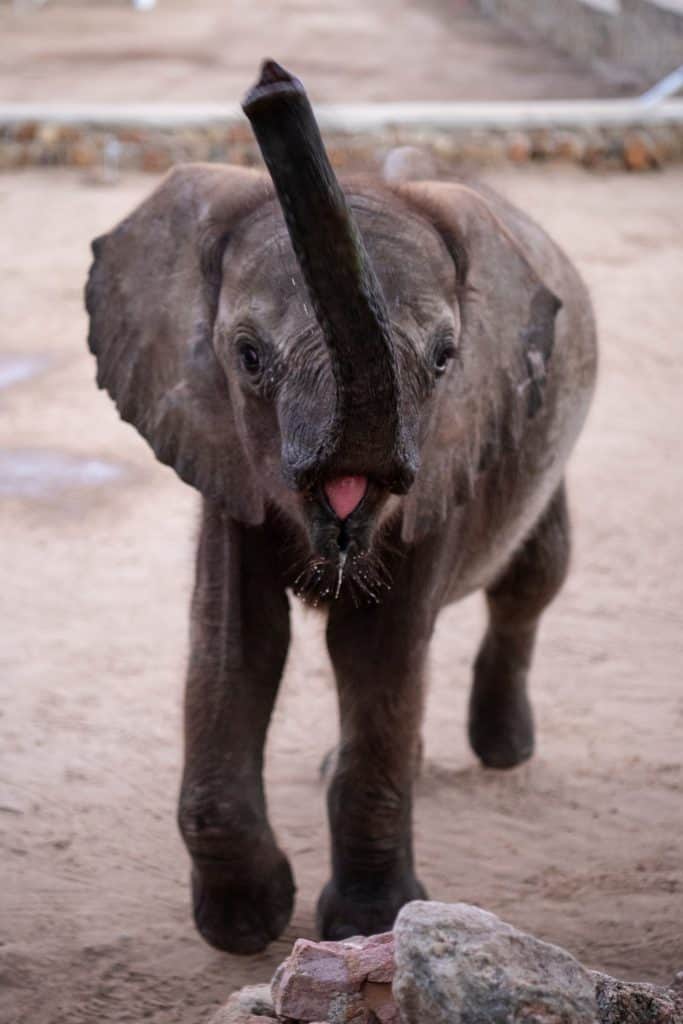
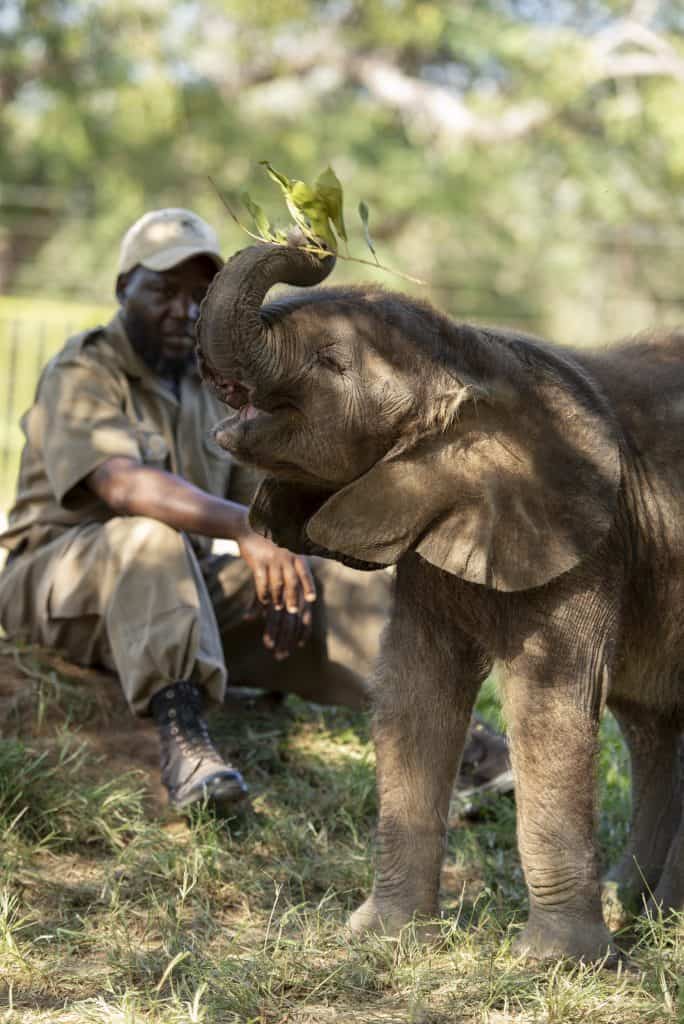
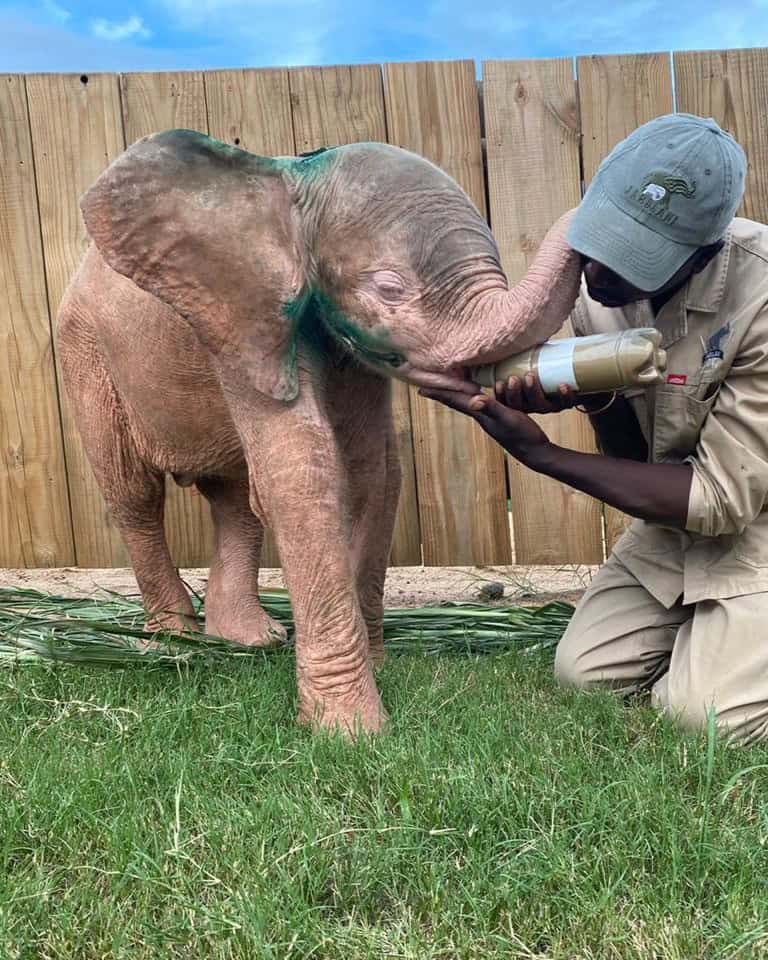
There is a moment in every orphan’s story at HERD when quarantine ends and the fence comes down between them and the herd for the first time. They can see the other elephants. Smell them. Hear them. But they can’t yet touch them.
It turns out this in-between moment, not the loneliness of quarantine, and not the first physical contact either, may be the hardest part of the whole journey.
That’s one of the findings from a new University of Pretoria case study conducted at HERD, led by Miane Reynolds under the supervision of Prof. Andre Ganswindt and Loraine Shuttleworth. It looked closely at three orphan that we introduced to the elephants at HERD between 2018 and 2020, and what the elephants’ bodies were telling us during each one.
How do you measure stress in an elephant, gently?
You can’t ask an elephant how it’s feeling. And drawing blood to check stress hormones would itself be stressful, which defeats the purpose.
So the study used a method that asks nothing extra of the elephants at all: dung. Stress hormones (glucocorticoids) pass out of the body through faecal matter, and by measuring these faecal glucocorticoid metabolites, researchers can build a picture of an elephant’s stress levels over time without ever disturbing them. Over the three introductions studied, 341 samples were collected and analysed this way.
Researchers tracked four roles through each introduction: the orphan, the adoptive mother, the matriarch, and the wider group of herd females, across three phases: pre-introduction (separated, in quarantine), fence introduction (contact through a barrier), and physical introduction (the barrier removed).
The fence, not the isolation, seems hardest
The assumption going in might be that isolation itself, the early days in quarantine, cut off from other elephants, is the toughest stretch for an orphan. The data told a different story. In two of the three cases, orphans showed their highest stress hormone levels during the fence introduction phase, higher than either the isolation before it or the physical contact that followed.
It makes a kind of sense once you sit with it. Being able to see, hear, and smell a herd you’re not yet part of, without being able to approach, retreat, or resolve it either way, may be more unsettling than either full separation or full contact. Once the fence came down and physical contact began, stress hormone levels in the most closely studied case dropped by roughly half.
It isn’t only the orphans who carries this
One of the more striking patterns in the study is that adoptive mothers showed some of the same stress signatures as the orphans themselves, particularly during that fence stage. Caring for a new calf, especially one who isn’t biologically hers, appears to ask something real of her too. Matriarchs and the wider herd females, by contrast, tended to stay comparatively steady across all three phases, suggesting the weight of an introduction falls hardest on the two individuals most directly bonding with each other.
Why this matters, and what it doesn’t yet tell us
It’s worth being honest about the shape of this research. It followed three individual cases, not thirty, and each introduction unfolded a little differently, one orphan passed away before completing the process, and another was never fully adopted into the herd. That’s part of why this study matters: elephant introductions are still not a standardised process anywhere, and every case teaches us something new about how to do it with more care.
What this early work does give HERD is a clearer sense of where to focus. It points to the fence introduction phase as a period deserving closer behavioural monitoring and additional support, perhaps nutritional enrichment, or simply more attentive observation, for both the orphan and the mother who is taking them on. It also reinforces something the team has long sensed from daily experience: that adoptive mothers deserve as much care and attention during an introduction as the orphans do.
Where this goes next
This case study is a first step, not a final answer. The recommendation coming out of it is straightforward: more consistent sample collection, more individuals, and longer observation windows, so that patterns like these can be confirmed rather than suggested. HERD is glad to be part of that ongoing work, because every orphan who comes through our gates deserves an introduction built on what we actually know, not just what we hope is true.
This research was conducted by Miane Reynolds (University of Pretoria, Department of Zoology and Entomology) in collaboration with HERD, under the supervision of Prof. Andre Ganswindt and Loraine Shuttleworth.


No comments yet.