

Meet Miané Reynolds | Following Curiosity Through Conservation and Science
- 23 July 2026
-
0
-
-


Meet Miané Reynolds, a Master’s student in Zoology at the University of Pretoria whose passion for wildlife endocrinology is helping uncover new insights into elephant welfare.
In this guest blog, Miané shares her journey from a lifelong fascination with the natural world to conducting award-winning research with HERD. Through the study of hormones, she explores how science can deepen our understanding of elephant wellbeing, support evidence-based conservation, and strengthen the care of orphaned elephants. Her story is a reminder that curiosity has the power to drive meaningful conservation and inspire the next generation of wildlife researchers.
Hi everyone!
My name is Miané Reynolds, and I am currently a Master’s student in Zoology at the University of Pretoria, specialising in wildlife endocrinology. In simple terms, I study hormones and what they can tell us about the lives, health, and wellbeing of animals.
Before diving into my research and the incredible opportunities I have had working alongside HERD, I think it is important to start at the beginning.
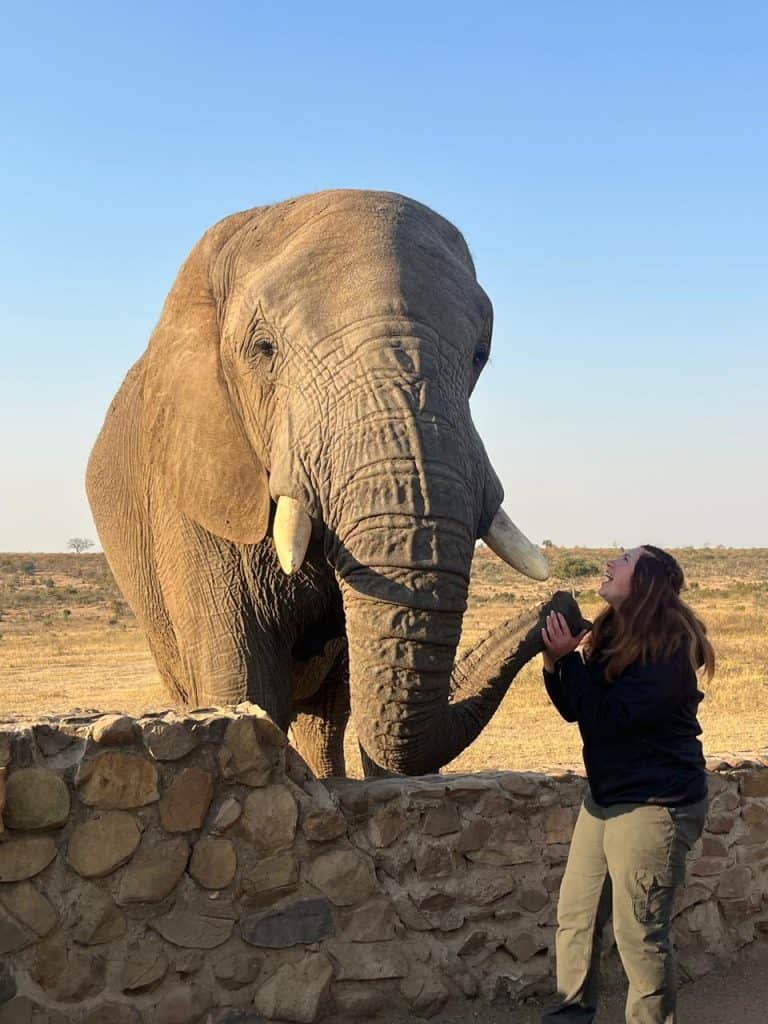
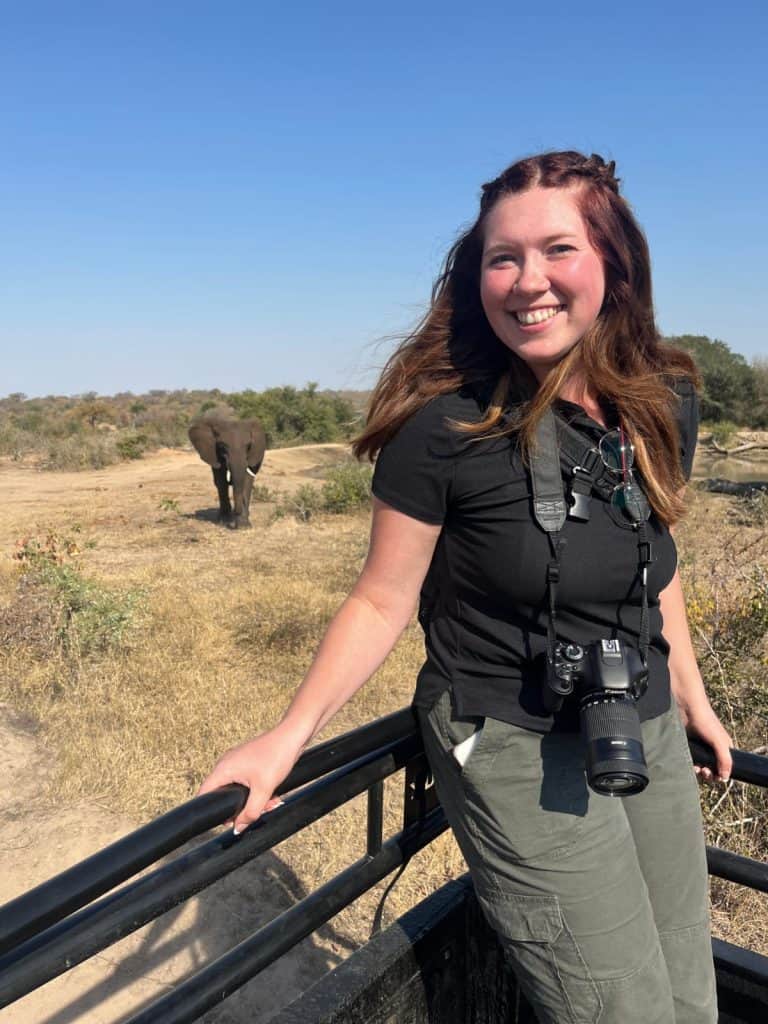
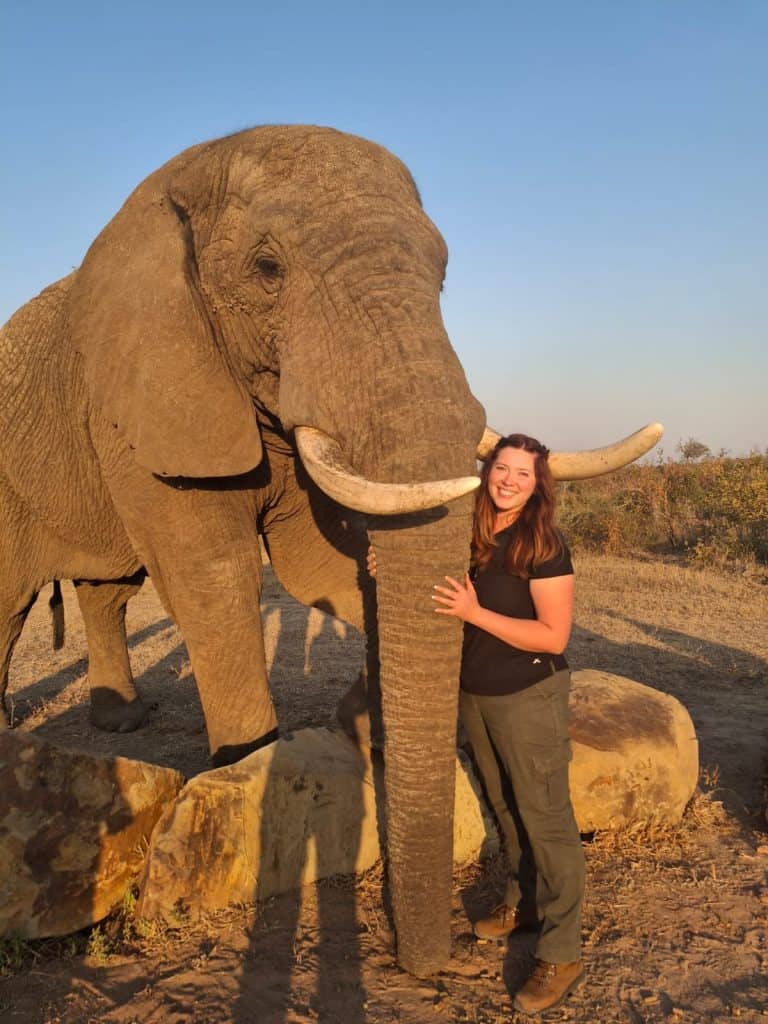
From a very young age, I have been fascinated by animals and the natural world. Everything about nature drew me in. I was endlessly curious about how animals lived, behaved, and interacted with their environments. Even then, I knew I wanted a career that would allow me to spend my days learning about and contributing to our understanding of the natural world.
Like many young people, however, I had no idea exactly what that career would look like, but life has a remarkable way of guiding us toward opportunities when the time is right.
In 2022, I began my Zoology journey at the University of Pretoria, completing my undergraduate degree in 2024 before moving directly into my Honours year in 2025. Throughout my studies, I encountered a challenge that, at first glance, might not seem like a challenge at all: I found almost everything fascinating. Let me explain…
Animal behaviour, ecology, conservation, physiology, genetics, marine biology. Every new topic seemed to open a door to another world that I wanted to explore. The more I learned, the more questions I had. While this endless curiosity made learning exciting, it also presented a problem. As I progressed through my studies and began considering a career in research, I was increasingly asked a question I struggled to answer: What do you want to specialise in?
The idea of choosing a single field felt almost impossible. Why would I want to place my curiosity inside a box when there was still so much left to discover?
Then I was introduced to endocrinology.
Endocrinology is the study of hormones and the endocrine system. What immediately drew me to the field was that hormones influence almost every aspect of an animal’s life, from behaviour and reproduction to health, adaptation, and survival. Rather than limiting my curiosity, endocrinology gave me a way to explore many different biological questions through a single lens.
What fascinated me most was that hormones reveal a side of an animal’s life that we cannot directly observe. They provide insights into how animals are responding to their environment, coping with challenges, and experiencing the world around them. In many ways, hormones allow us to investigate what is happening beneath the surface.
It was through this lens that I discovered my passion for stress physiology. When animals encounter challenges and stress, their bodies release hormones that help them respond and adapt. By studying these hormones, we can gain valuable insights into how animals experience and cope with stress. And while I can confidently say that I do not particularly enjoy experiencing stress myself, I have become incredibly passionate about understanding it in other species.
During my Honours year, I had the privilege of working with Professor André Ganswindt, one of South Africa’s leading wildlife endocrinologists. Through this opportunity, I was introduced to HERD and began what would become one of the most rewarding projects of my academic journey.
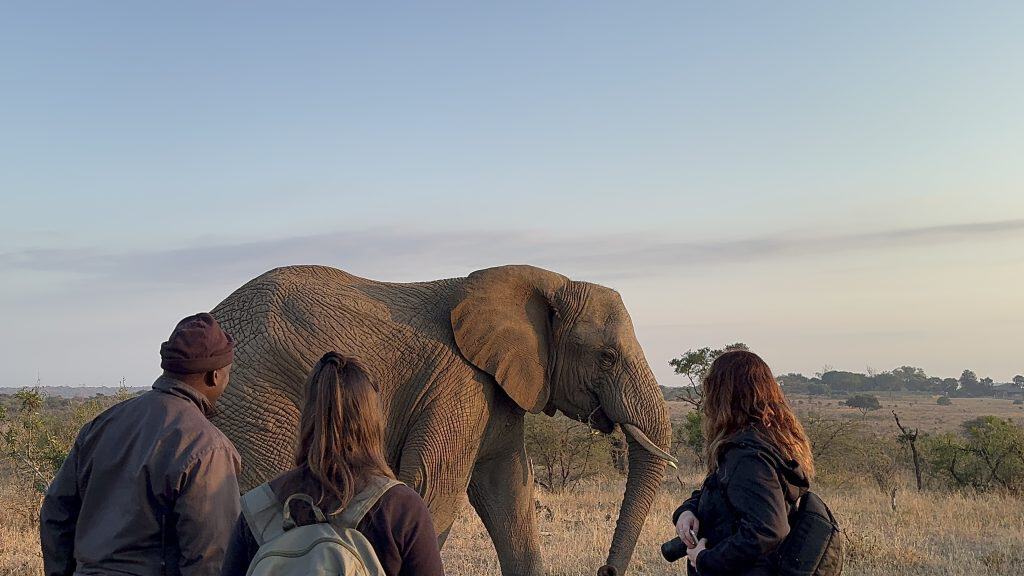
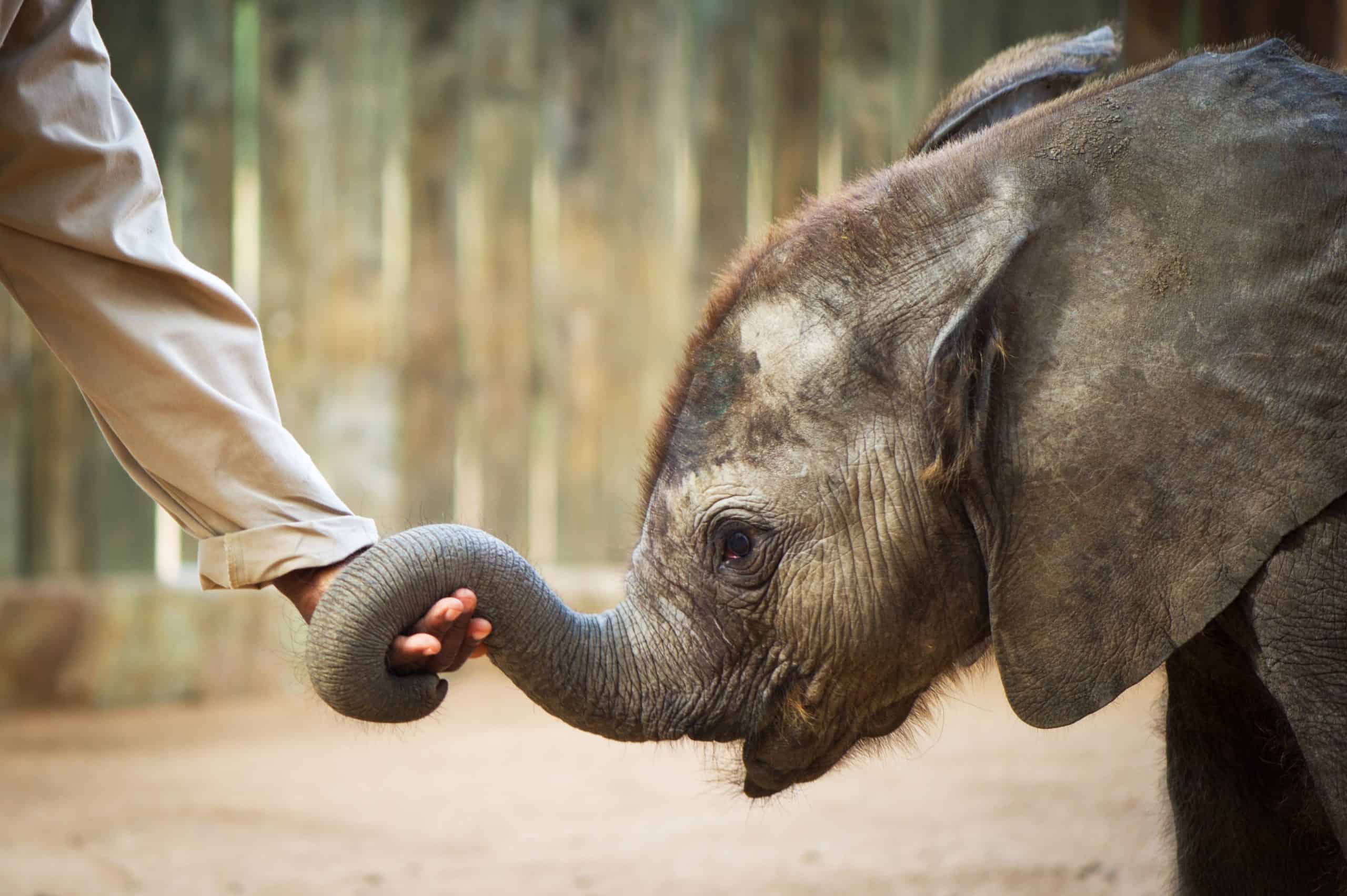
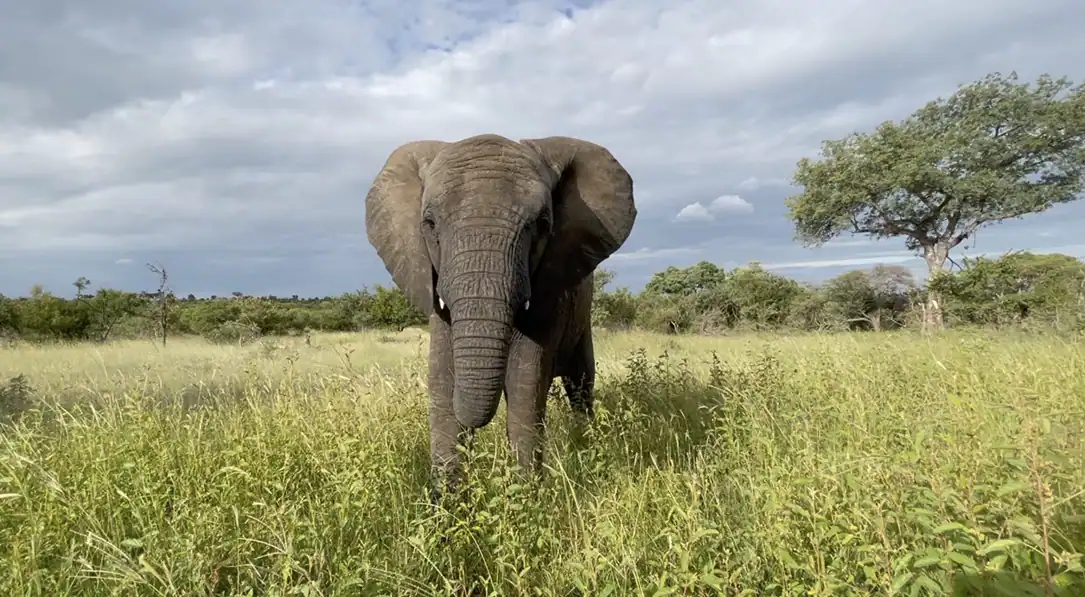
My Honours research focused on understanding stress in orphaned elephants and members of HERD’s elephant herd. When an orphaned elephant arrives at the orphanage, it faces an entirely new environment, unfamiliar individuals, and big life changes. The process of integrating these young elephants into an established herd can also be challenging for the resident elephants, particularly the adoptive mothers who take on the responsibility of caring for them.
Using non-invasive hormone monitoring, my research investigated stress responses in orphaned elephants, their adoptive mothers, and other female herd members. The goal was to better understand how elephants respond to these important life events and to generate information that can help support evidence-based management decisions and promote positive welfare outcomes.
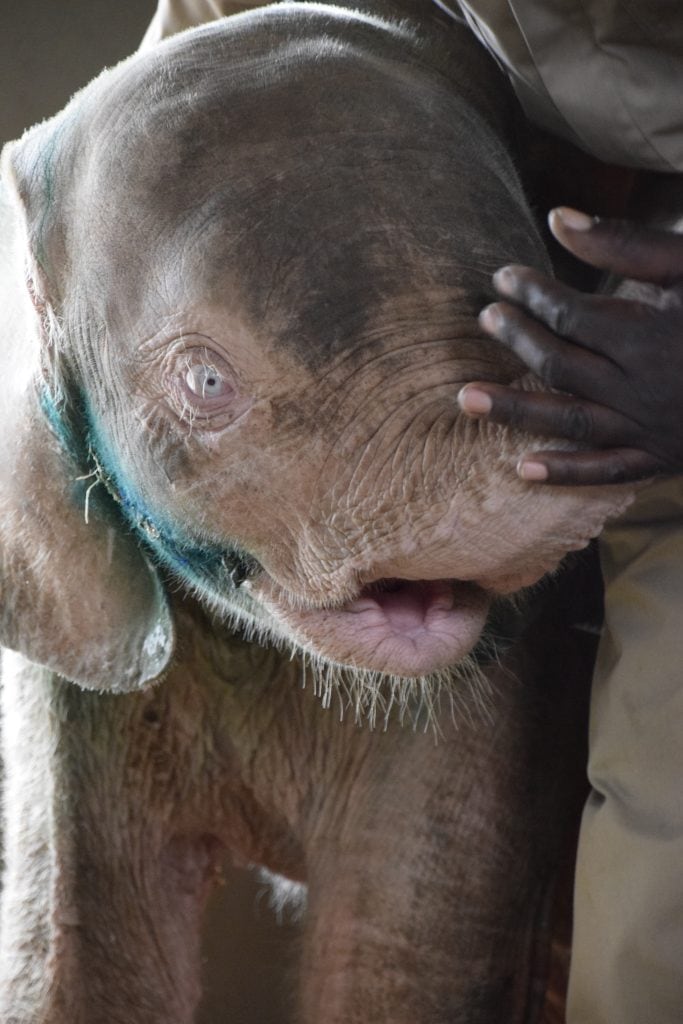
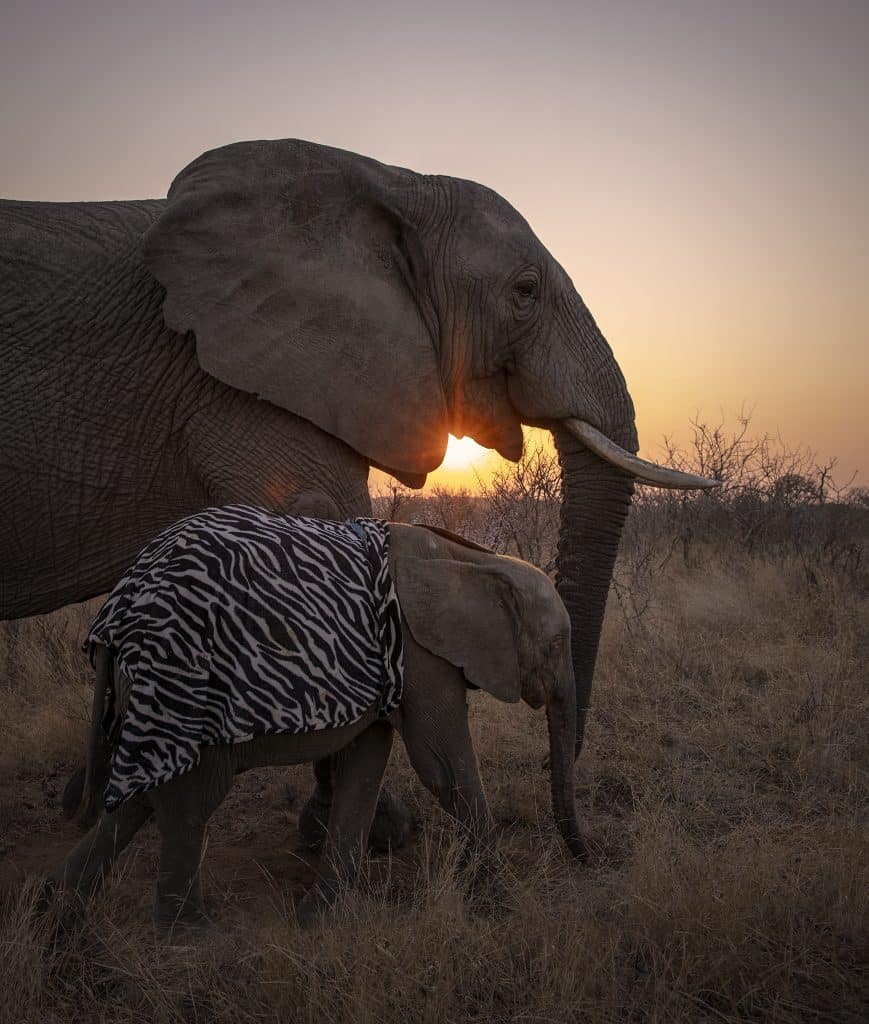
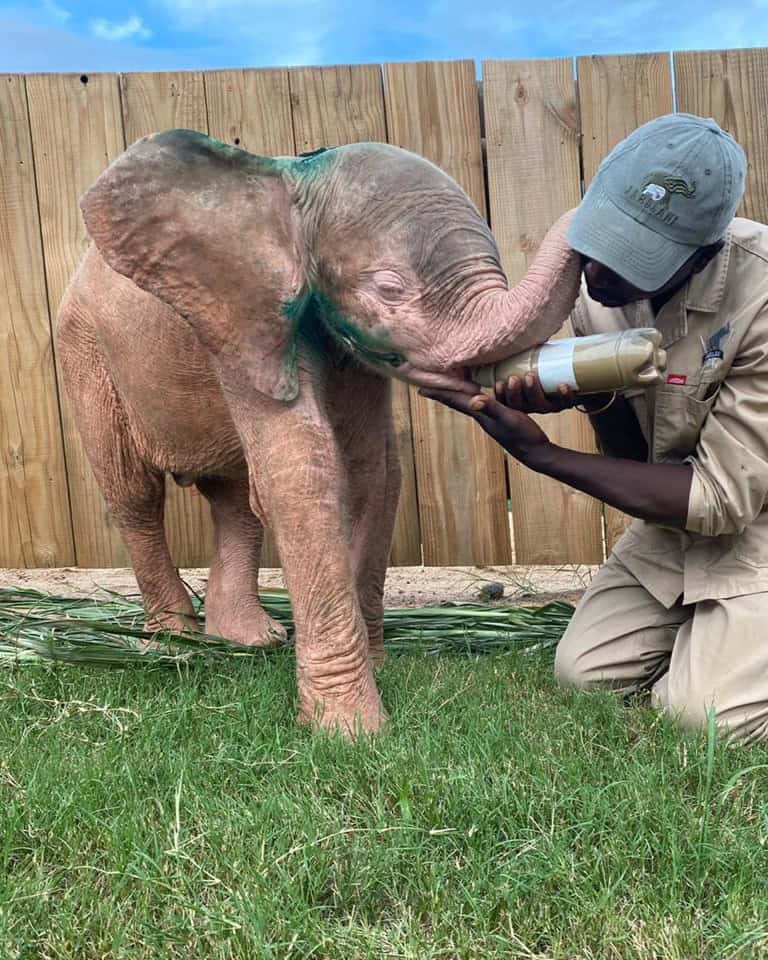
One of the elephants featured in my research was Khanyisa, HERD’s remarkable orphan elephant whose journey has inspired people around the world. Being able to contribute, even in a small way, to the scientific understanding of such an incredible conservation success story remains one of the highlights of my career.
The project also provided opportunities beyond the field. I presented my research at the Oppenheimer Research Conference, a prestigious conference that showcases research conducted by postgraduate students and early-career scientists. Among approximately 90 poster presentations, my research was awarded third place, a milestone that marked my first scientific award and a moment I will always remember.
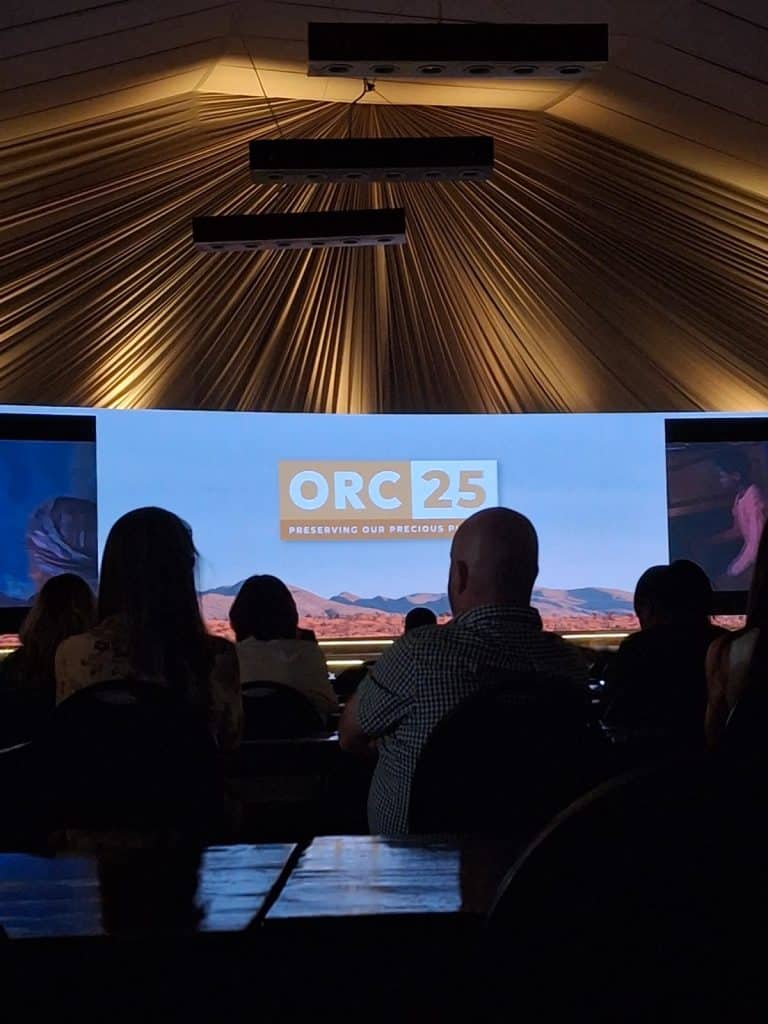
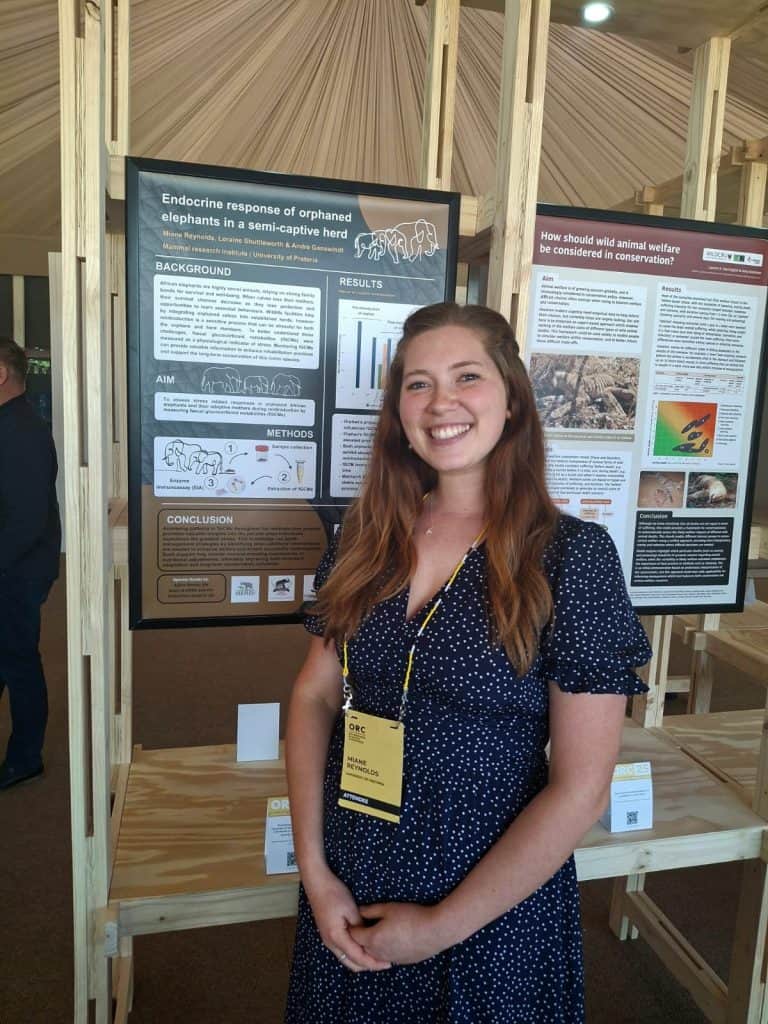
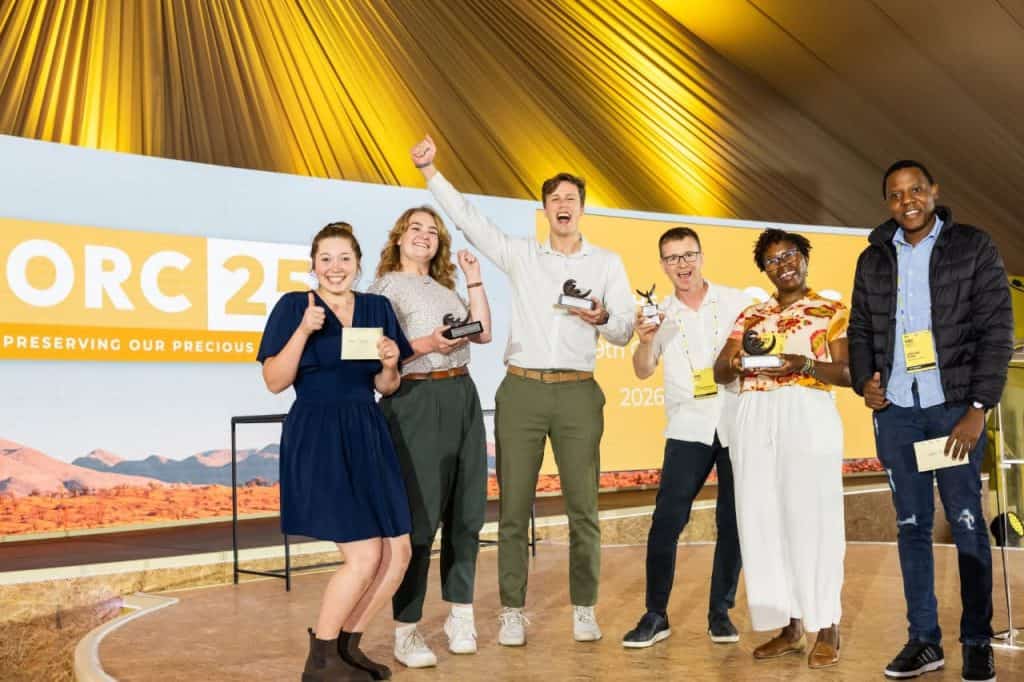
Today, I have continued my journey into wildlife endocrinology through my master’s research. While I am still investigating stress physiology, my focus has shifted from elephants to a much smaller and often overlooked species: genets. My current research explores the stress physiology of genets and how these fascinating carnivores are adapting to urban environments. Through this work, I hope to contribute to our understanding of how wildlife responds to the increasing pressures of urbanisation.
Beyond research, one of my greatest passions is science communication. I believe that scientific discoveries are most valuable when they are shared with others. Nature belongs to everyone, and I love creating opportunities for people to connect with wildlife, ask questions, and discover something new about the world around them.
This passion has even led me onto social media, where I create educational content that offers a glimpse into the life of a wildlife researcher. Whether I am talking about hormones, conservation, or simply sharing moments from the field, my goal is always the same: to help people see the beauty, complexity, and wonder of the natural world.
At its heart, my journey has always been driven by curiosity. Curiosity about animals. Curiosity about nature. Curiosity about how we can use science to better understand and protect the species with which we share this planet.
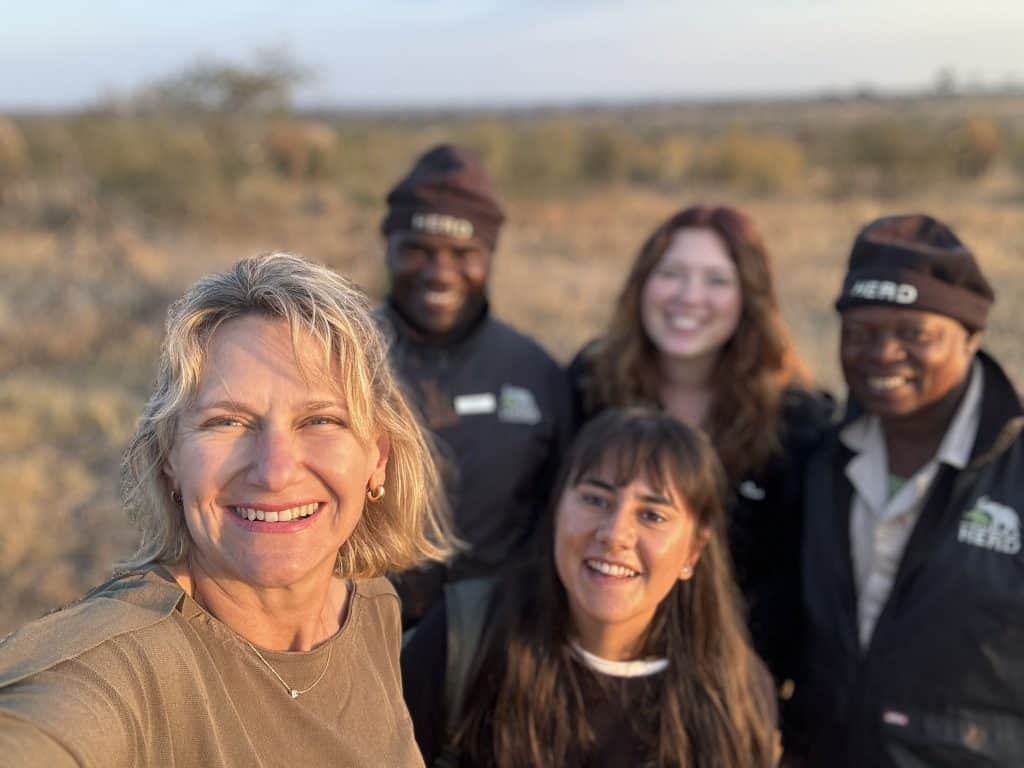
I am incredibly grateful for the opportunities I have had so far, especially the chance to work alongside the HERD team, and I am excited to see where this journey leads next.


No comments yet.