

What Elephant Dung Reveals
- 05 June 2026
-
0
-
-


When you step around a pile of elephant dung in the bush, it is easy to dismiss it as waste. In reality, it is one of the most valuable sources of information we have about an elephant’s life. From diet and digestion to stress and health, dung tells a detailed story without ever disturbing the animal.
How much goes in, and how little is used
Elephants are among the most enthusiastic eaters on Earth.
An adult elephant eats between 150 kg and 300 kg of vegetation every day, spending up to 12 to 18 hours feeding. This includes grasses, leaves, bark, roots, and fruit that they find out in the bush.
Despite this huge intake, elephants are surprisingly inefficient at digesting their food. Only around 40 percent to 50 percent of what they eat is actually digested and absorbed. In some cases, digestion efficiency can be as low as 22 percent, meaning most of the plant matter passes through the body only partially processed.
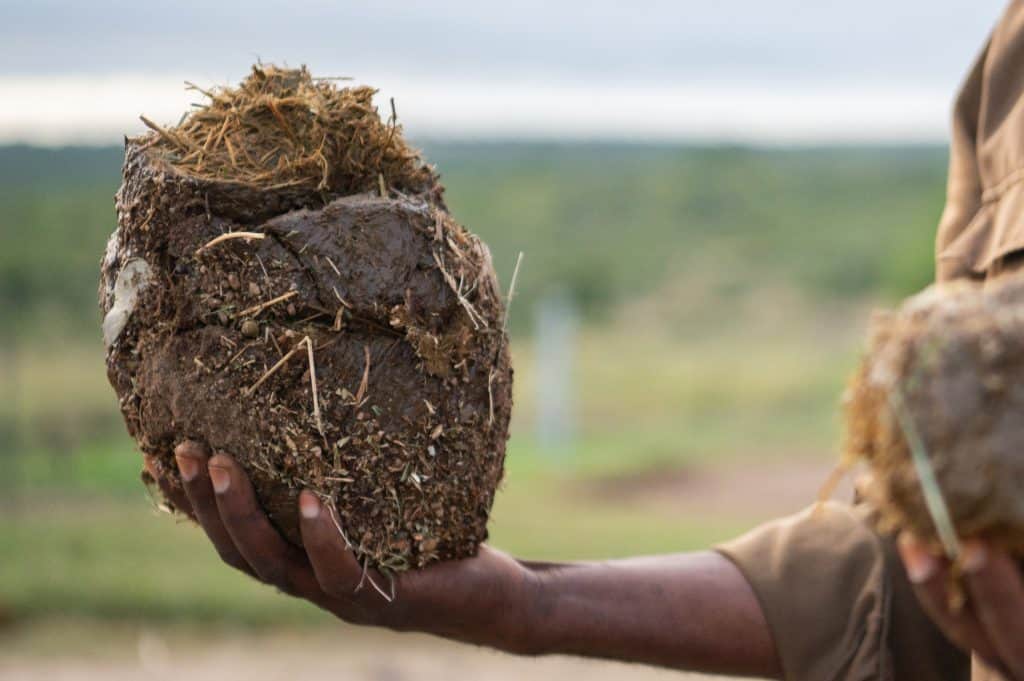
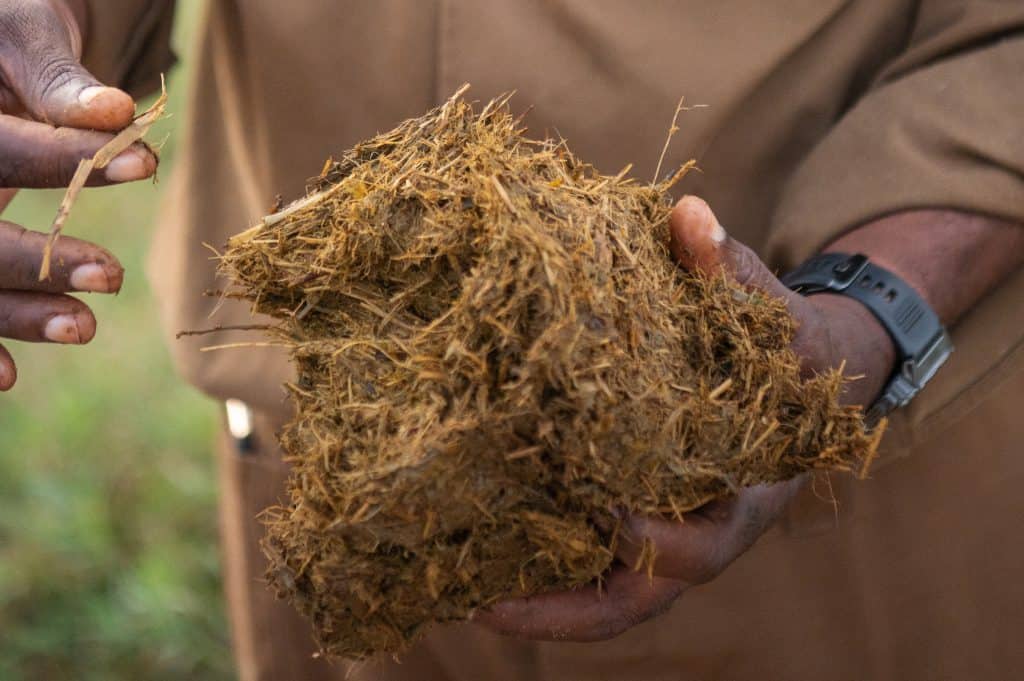
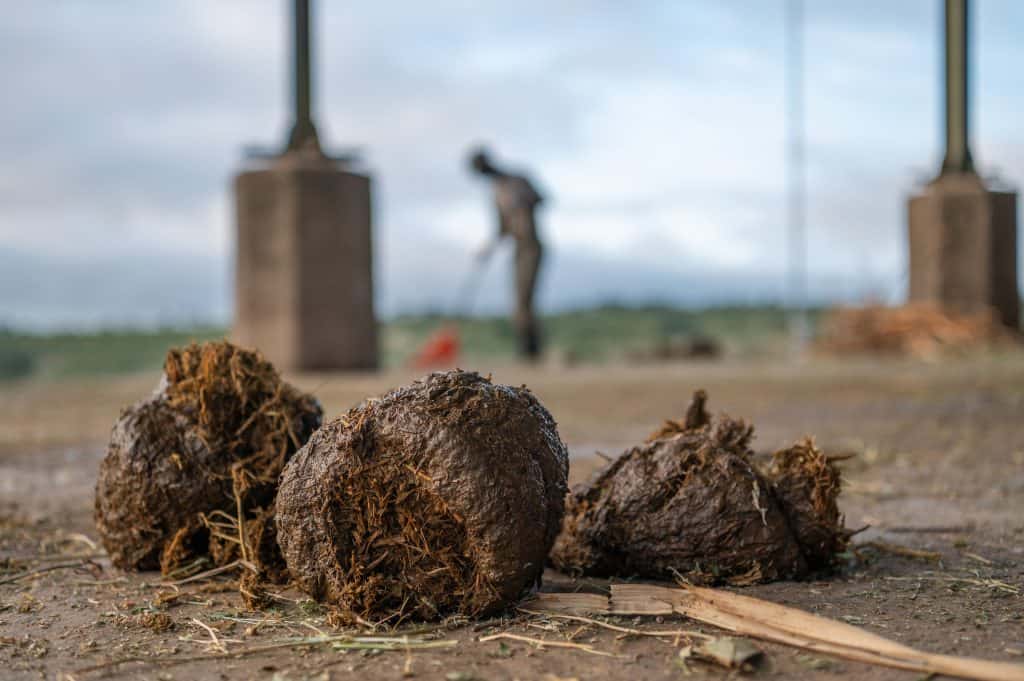
That inefficiency has a visible outcome. Elephants can produce up to 100 kg of dung per day, often in 8 to 10 separate deposits. The dung is gristly and it is easy to see undigested plant material such as grass stems and bark fragments.
In simple terms, elephants survive by eating large quantities rather than extracting maximum nutrients from each bite. Their digestive system moves material through relatively quickly, which is why so much remains intact in their dung.
What dung contains beyond plant matter
While dung is mainly undigested food, it also carries something far more valuable for conservation science: hormones.
Elephant dung contains metabolic by-products of hormones circulating in the body. These include:
- Glucocorticoids such as cortisol, linked to stress response
- Reproductive hormones, linked to breeding cycles
- Metabolic indicators, which reflect nutritional condition
With our research, HERD will focus particularly on fecal glucocorticoid metabolites (fGCMs). These are breakdown products of stress hormones that pass through the digestive system and are excreted in dung.
Glucocorticoids are released when an animal experiences stress, activating the body’s natural response system. Measuring these metabolites in dung provides a reliable indication of an elephant’s physiological stress levels over time.
Unlike a single blood sample, which captures a moment, dung reflects hormone levels integrated over hours or even days. This makes it especially useful for understanding ongoing conditions rather than short-term reactions.
Research has shown that these hormone levels can be linked to factors such as:
- Nutritional stress or poor diet
- Environmental pressures like drought
- Social dynamics within the herd
- Human-related disturbances
By analysing fGCM concentrations alongside body condition, scientists can assess whether elephants are coping well in their environment.
Why dung is the ideal research tool for HERD
For organisations like HERD, dung sampling is not just practical. It is essential.
By analysing faecal glucocorticoid metabolites, we can get a real snapshot into what an elephant is experiencing physically and emotionally, without ever interfering with them directly. Dung gives us the truth, the biological information that supports what our carers already observe every single day.
Here is why this approach works so well:
1. It is completely non-invasive
We do not need to capture, restrain, or sedate the herd, so they are spared stress that could distort the results.
2. It can be repeated consistently
Thanks to the fact that our herd stays at the stables during the night, samples can be collected regularly from the same individuals. This allows for long-term monitoring of trends, not just snapshots.
3. It reflects real conditions
Our data comes from elephants behaving naturally in their environment and their hormone levels are not influenced by human intervention during sampling.
4. It provides multi-layered insights
The elephants’ diet quality can be observed through undigested material, while their health and stress can be assessed through hormone analysis. Our carers will give insight into the environmental changes, like weather, disasters and human contact, which may also have an impact on the results.
Bringing it all together
Elephant dung is far more than waste. It is a rich, layered record of how an elephant is living, feeding, and coping.
- It shows us how much elephants must eat to survive, and how little they can digest
- It reveals the biological signals that indicate stress, health, and wellbeing
- It allows researchers to monitor populations without disrupting them
At HERD, choosing dung sampling for stress-related biomarkers like glucocorticoid metabolites is both a scientific and ethical decision. It aligns with a core principle: protect the animal while learning from it.
When you look at a pile of dung in the field, you are not just seeing what an elephant has left behind. You are seeing the data that helps secure its future.
If you were walking alongside the herd, would you recognise these signs of health and stress in what they leave behind?
To make this research a part of what we do at HERD we are building the (in memory of) Limpopo Research Centre, a dedicated space for research into elephant health, emotional wellbeing, and stress.
Guided by leading experts, this work aims to identify early warning signs so that carers can intervene sooner and better protect both elephants and humans.
In a world where human-elephant conflict is intensifying, this knowledge is no longer optional.
It is essential.
To bring this vision to life, HERD launched the 1000 Echoes for Elephants campaign to raise USD 250,000 (approximately R4 million) for the laboratory.
Each Echo:
- Is sponsored for USD 200
- Becomes a symbolic echo (in the form of a metal disc) permanently displayed inside the laboratory
- Forms part of a 1,000-piece soundwave installation, shaped to spell out the name “Limpopo Research Centre”
- Carries a name chosen by the donor, whether their own, a loved one’s, or even a business name
Together, these Echoes form a powerful visual reminder that every voice matters, and that collective action can create lasting change.
To everyone who has already added their Echo, thank you.
Your Echo joins many others in carrying forward a message that will continue to resonate long after this moment.
And if you have not yet added your Echo, there is still space in the circle.
Visit our 1000 Echoes for Elephants page and donate your Echo today.


No comments yet.