

The Power of Honey with Treating Elephant Wounds
- 20 May 2026
-
1
-
-


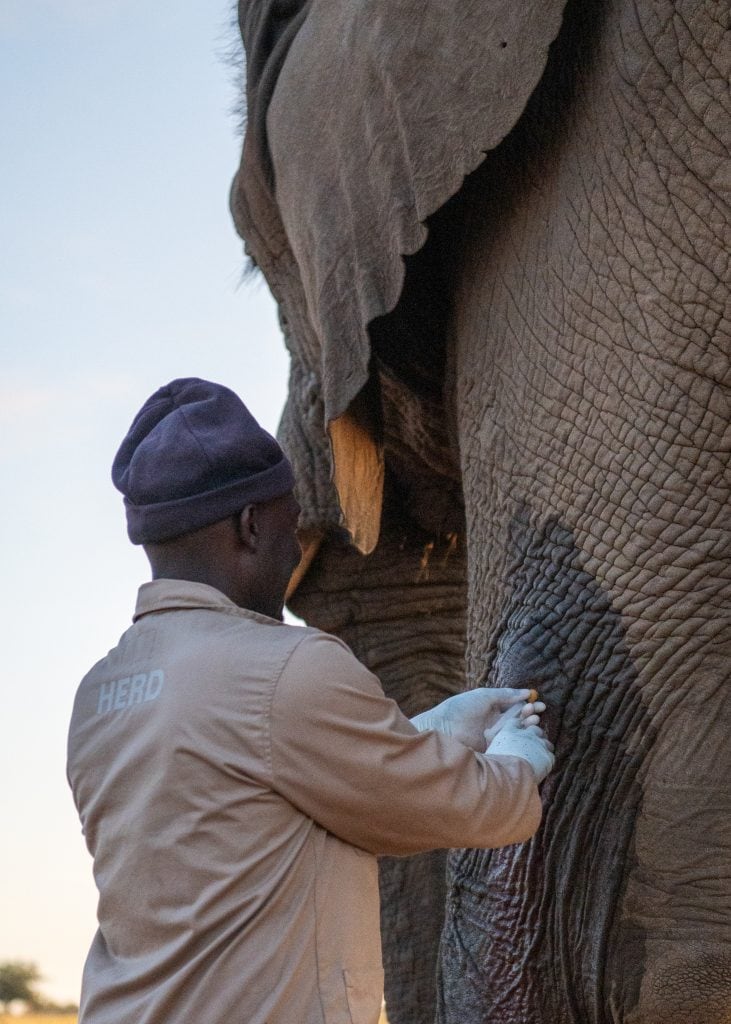
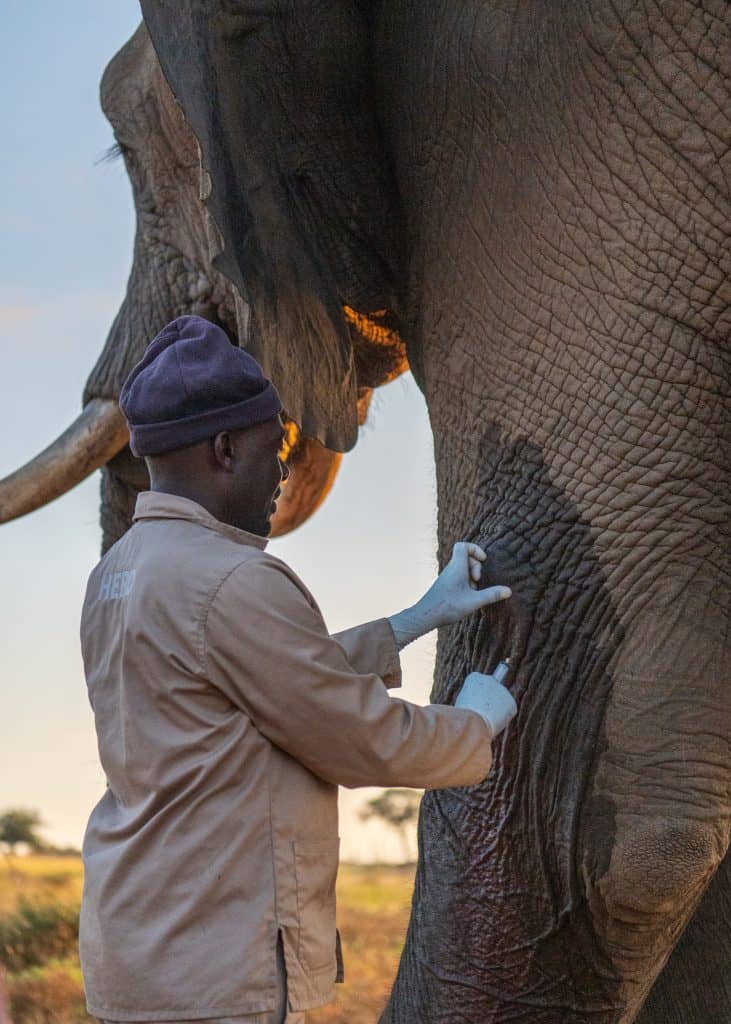
At HERD, wound care forms part of daily life. From small scrapes picked up in the bush to more serious injuries requiring veterinary attention, treating wounds is an important part of caring for elephants living in a natural environment.
And treating elephant wounds is rarely simple. Wounds are often large, deep, and located on parts of the body that move constantly, which makes it difficult to keep dressings in place. The outdoor environment adds another layer of complexity, with mud, vegetation, and water increasing the risk of contamination. And even the dedicated vets helping at HERD cannot always treat the wound daily, and repeated sedation carries its own risks, so each treatment needs to last and continue working between visits.
At the same time, elephants are strong, aware animals who may react to discomfort, which means every step must balance effectiveness with the elephant’s welfare and stress levels.
Honey gives HERD’s team a tool that works with the body, not against it.
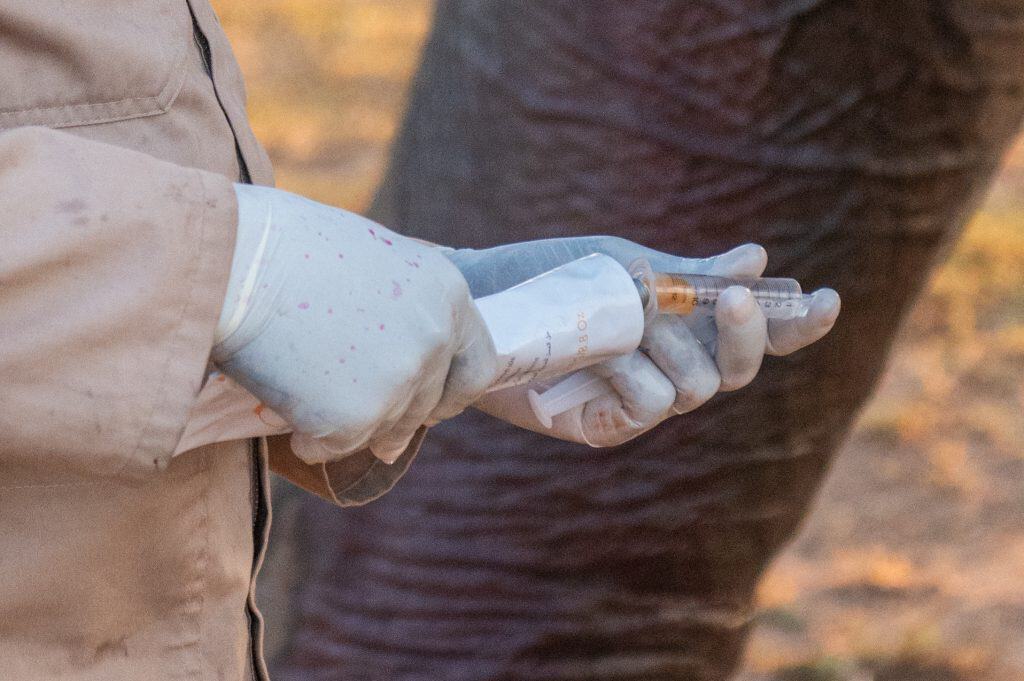
Why honey works so well on wounds
Medical-grade honey supports healing in several ways at the same time:
- It helps control infection
Honey creates conditions where many harmful bacteria struggle to survive. It can draw moisture out of bacterial cells and some honeys produce low-level hydrogen peroxide that supports infection control. - It supports faster tissue repair
Honey helps keep a wound moist, which supports tissue repair and healthy new tissue formation. In Hoedspruit this is extremely important as wounds dry out easily in the heat. It can also help reduce dead or damaged tissue and may minimise scarring over time. - It reduces inflammation and discomfort
Honey can calm inflamed tissue, reduce swelling and irritation, and make the healing process more comfortable. That matters for elephants because they are incredibly sensitive. Comfort and reduced stress support recovery. - It helps with difficult, slow-to-heal wounds
Honey can support healing in wounds that resist treatment, including infected wounds, ulcers, burns, and exposed tissue. It also stays effective between treatments because it adheres well and maintains antimicrobial activity over time.
As a practical example, honey can also help during dressing changes because it forms a gel-like layer at the wound surface. This can prevent bandages from sticking and reduce pain during changes.
The science behind honey-based wound care
Honey supports wound healing through a combination of biochemical and physical mechanisms that create an optimal healing environment. It has natural antibacterial activity due to its acidity and continuous low-level hydrogen peroxide release, which helps control infection without damaging tissue. Through osmotic action, it draws excess fluid from the wound, reducing swelling while forming a protective gel layer that prevents dressings from sticking and minimises discomfort.
At a cellular level, honey stimulates immune responses, including macrophage activity that clears dead tissue, and promotes the formation of new blood vessels, improving oxygen and nutrient delivery to the wound.
It also reduces inflammation, maintains the moist conditions needed for tissue repair, and supports the growth of healthy granulation tissue. Clinical evidence shows that these combined effects can accelerate healing, reduce pain and irritation, limit scarring, and remain effective even against some antibiotic-resistant bacteria, making honey a safe and biologically active treatment for soft tissue wounds.
Why “medical-grade” matters
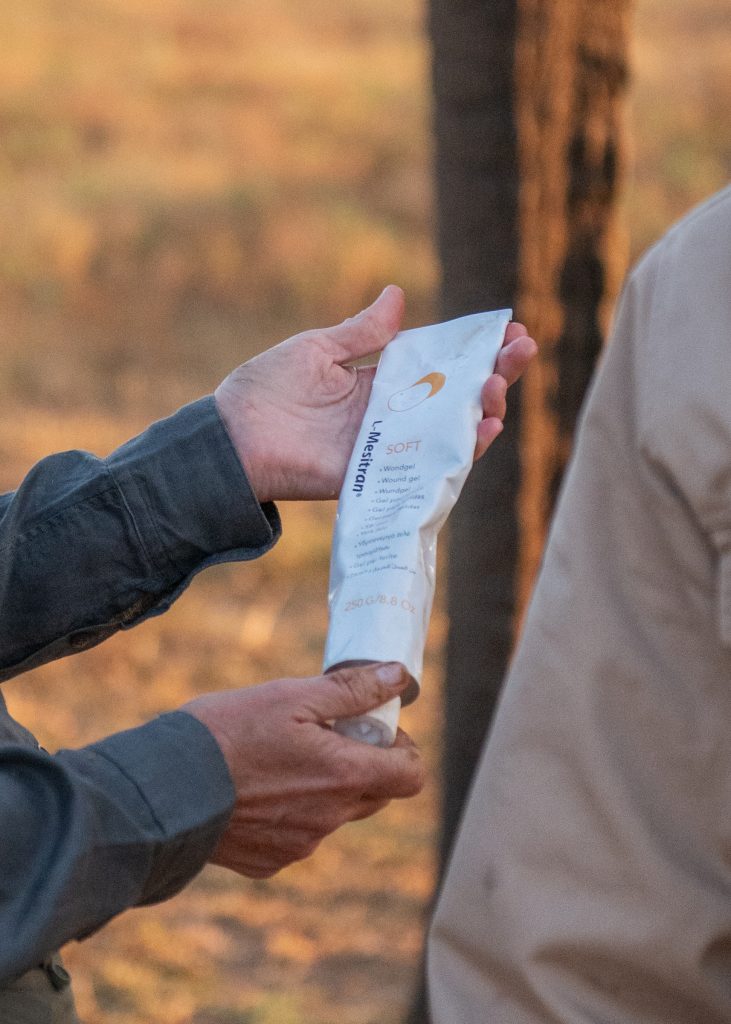
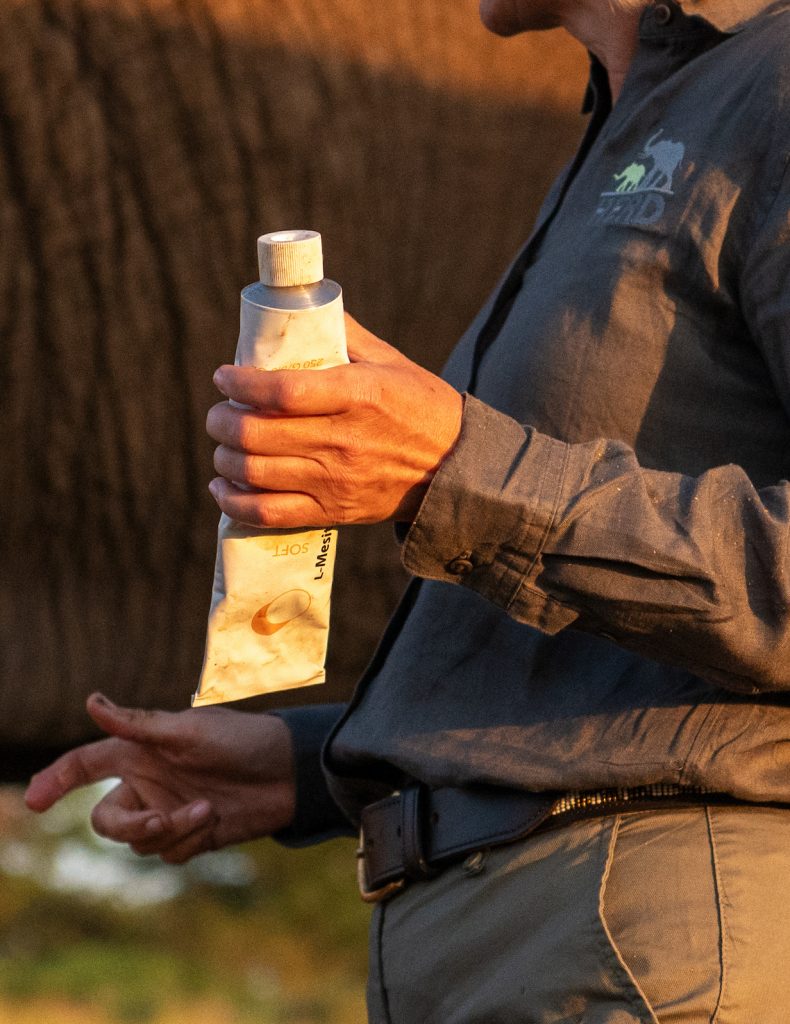
HERD uses medical-grade honey like L-Mesitran donated by Safarmex because it is:
- Sterilised to remove contaminants
- Tested for consistent antibacterial activity
- Produced under controlled conditions for safety and reliability
That consistency matters when you apply a product to an open wound, especially in an outdoor wildlife environment.
Celebrating World Bee Day
On this World Bee Day, 20 May 2026, celebrate with us the humble bee! Bees may be small, but their impact reaches far beyond what you can see. Through medical-grade honey, they become part of an elephant’s healing journey, helping to close wounds, ease discomfort, and restore strength. In a world where survival often depends on daily care and quiet persistence, this connection reminds you that even the smallest life can help carry the largest forward.



Daniela Chrysostomou
Good morning. I would love to help with wound care.
Dorothy
This was a very interesting read. I had no idea that honey 🍯 could have such a medical benefits. just out of curiosity do you use this on Fishan's 🐘 pressure sore or on Lundi's 🐘 gored armpit from Sebakwe 🐘? Just curious. thank you for this great read. Dorothy Westcott ❤️🐘❤️