

The Complexities of Setting Up a Research Centre
- 06 July 2026
-
0
-
-


As the HERD team continues building the in Memory of Limpopo Research Centre, our attention now turns to the inside of the centre: what lies at its heart, and what is needed to make this dream a fully functioning reality?
While starting the build is a major accomplishment, setting up a fully equipped research centre is an even greater undertaking.
Our main focus now is sourcing the right equipment to ensure that the analyses we conduct are accurate, reliable, and able to help us better understand what our herd is telling us.
Two different kinds of analysis
The centre will initially focus on two key areas of analysis: feed testing and faecal testing.
Feed testing will allow us to analyse the food being fed to the elephants to determine its quality, nutritional value, and safety. This will be especially valuable when assessing the nutritional value of milk formula, helping us improve the care and safety of future orphaned elephants.
Faecal testing will analyse the elephants’ dung to assess digestion, health, and parasite burden. These tests can help us understand how well elephants digest certain foods, identify parasites, assess gut function, and estimate nutrient utilisation. Faecal samples can also be used alongside hormone analyses to study stress, welfare, and overall well-being.
Getting the right equipment
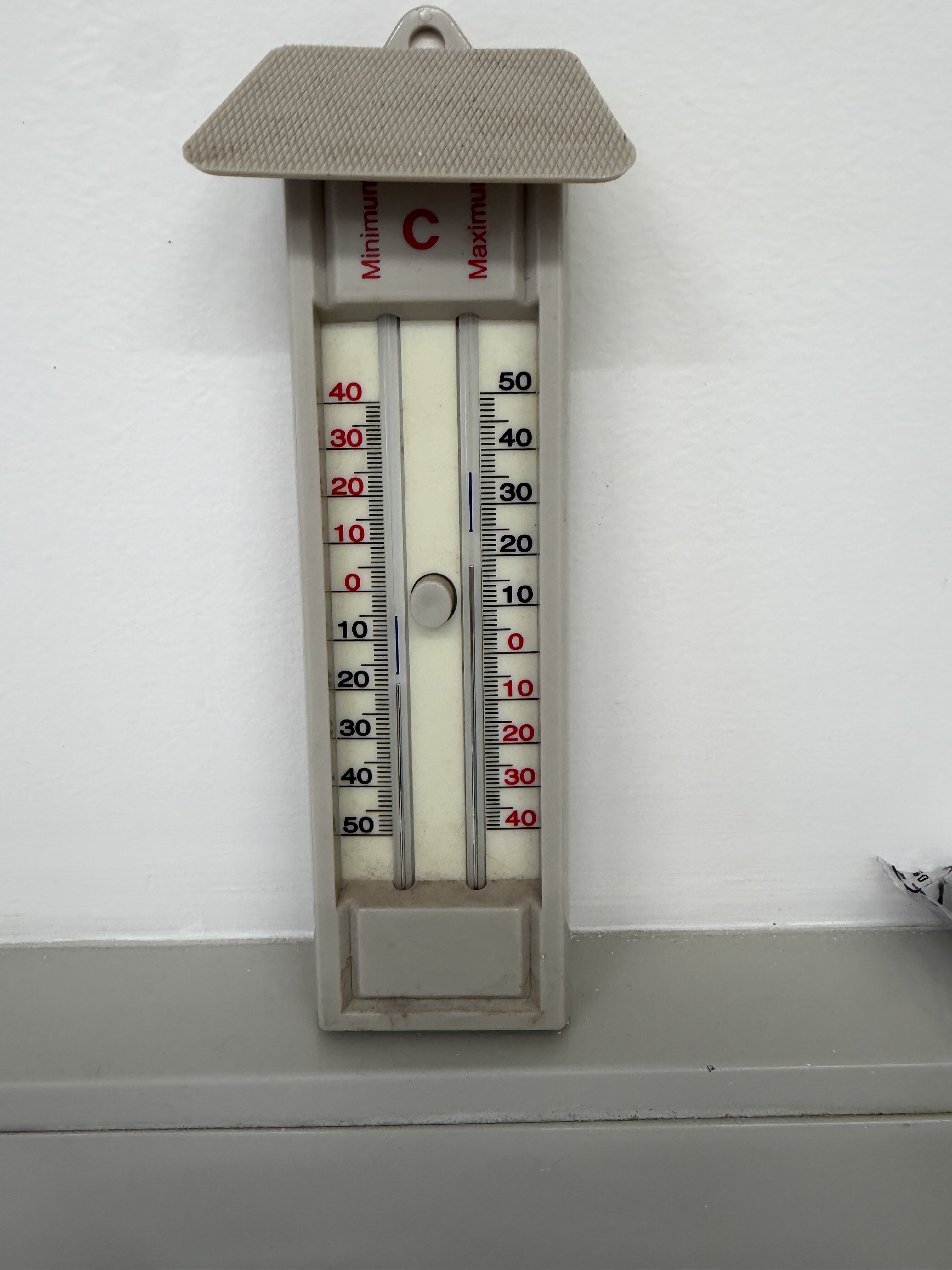
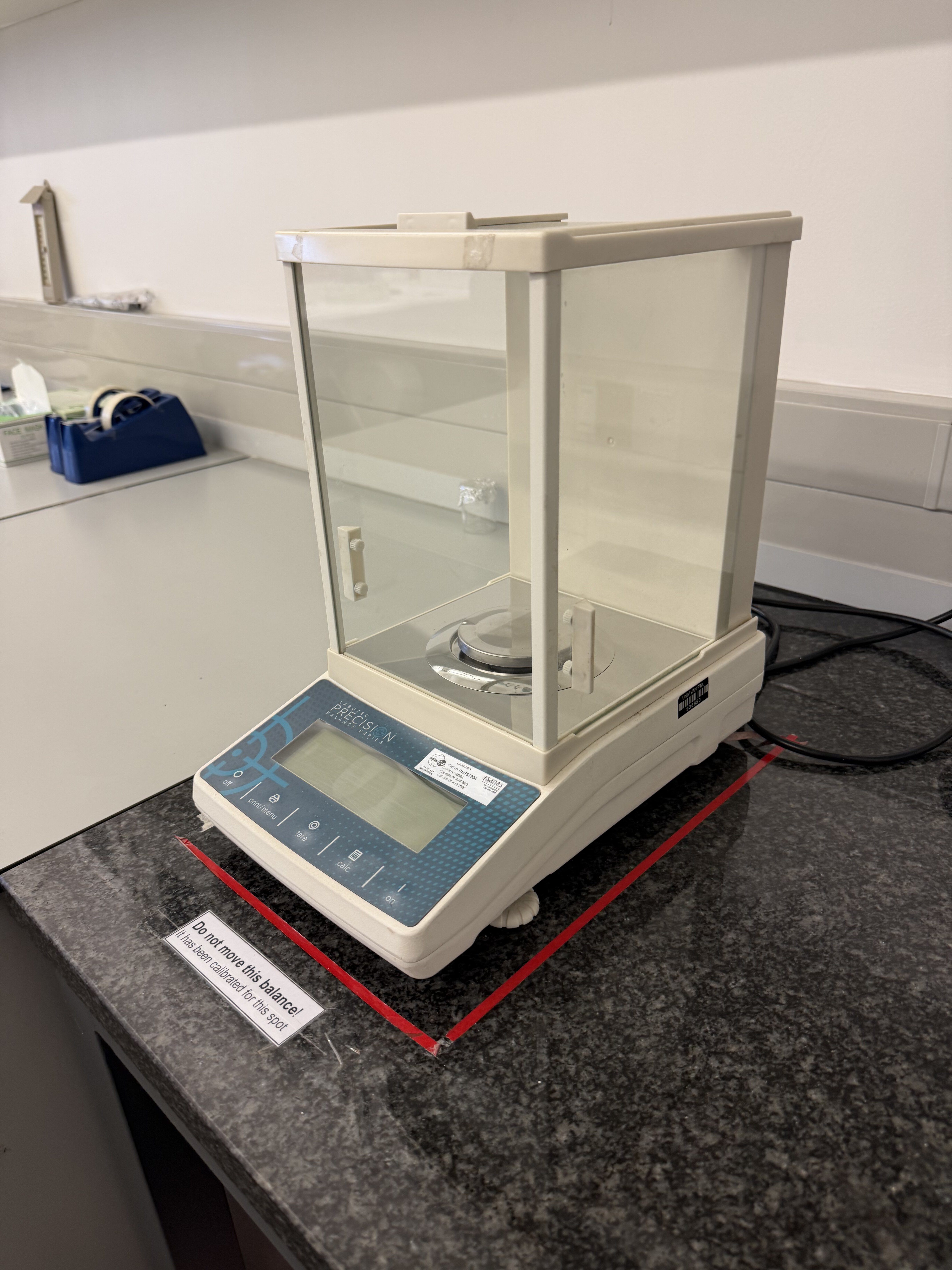
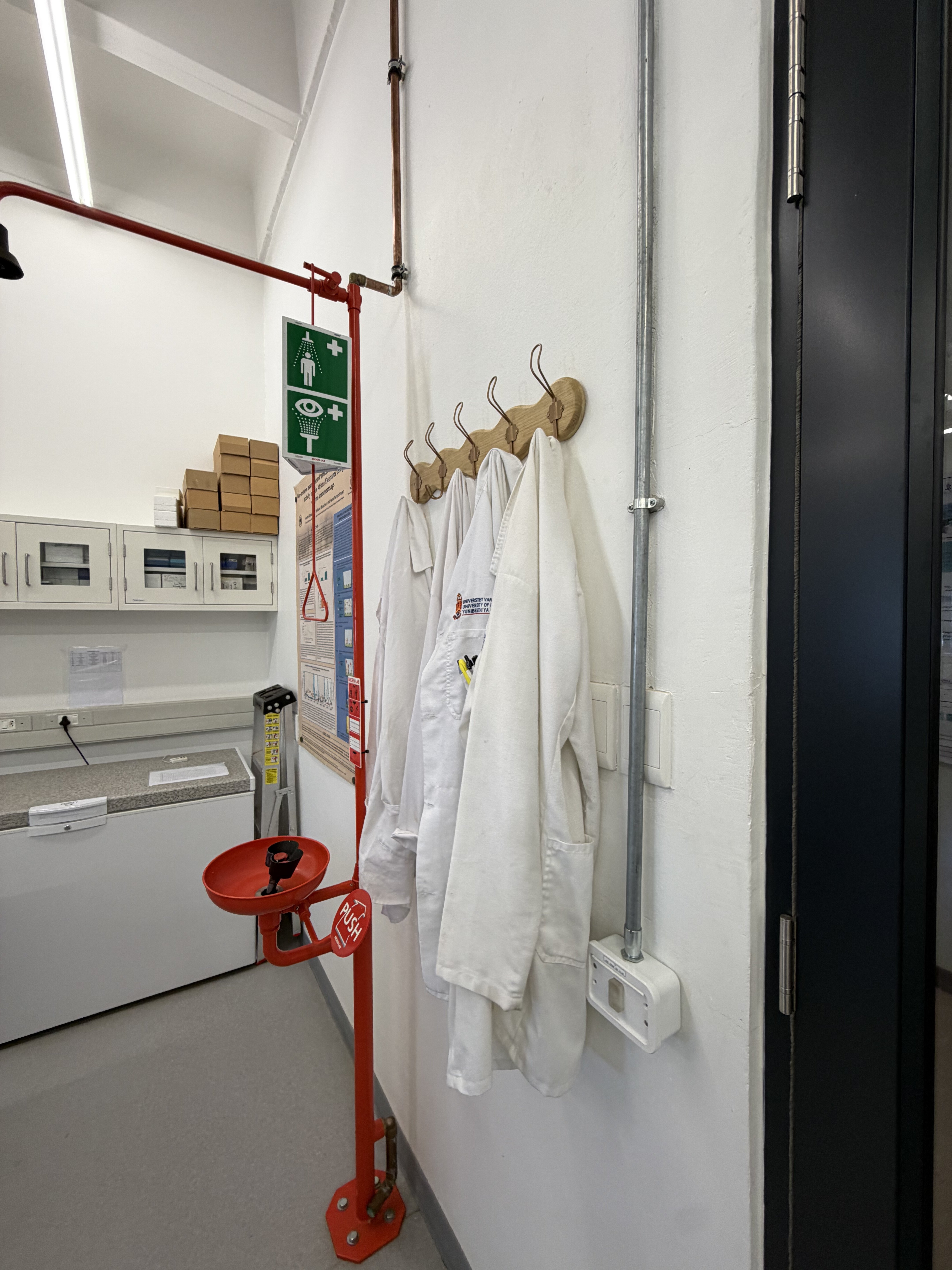
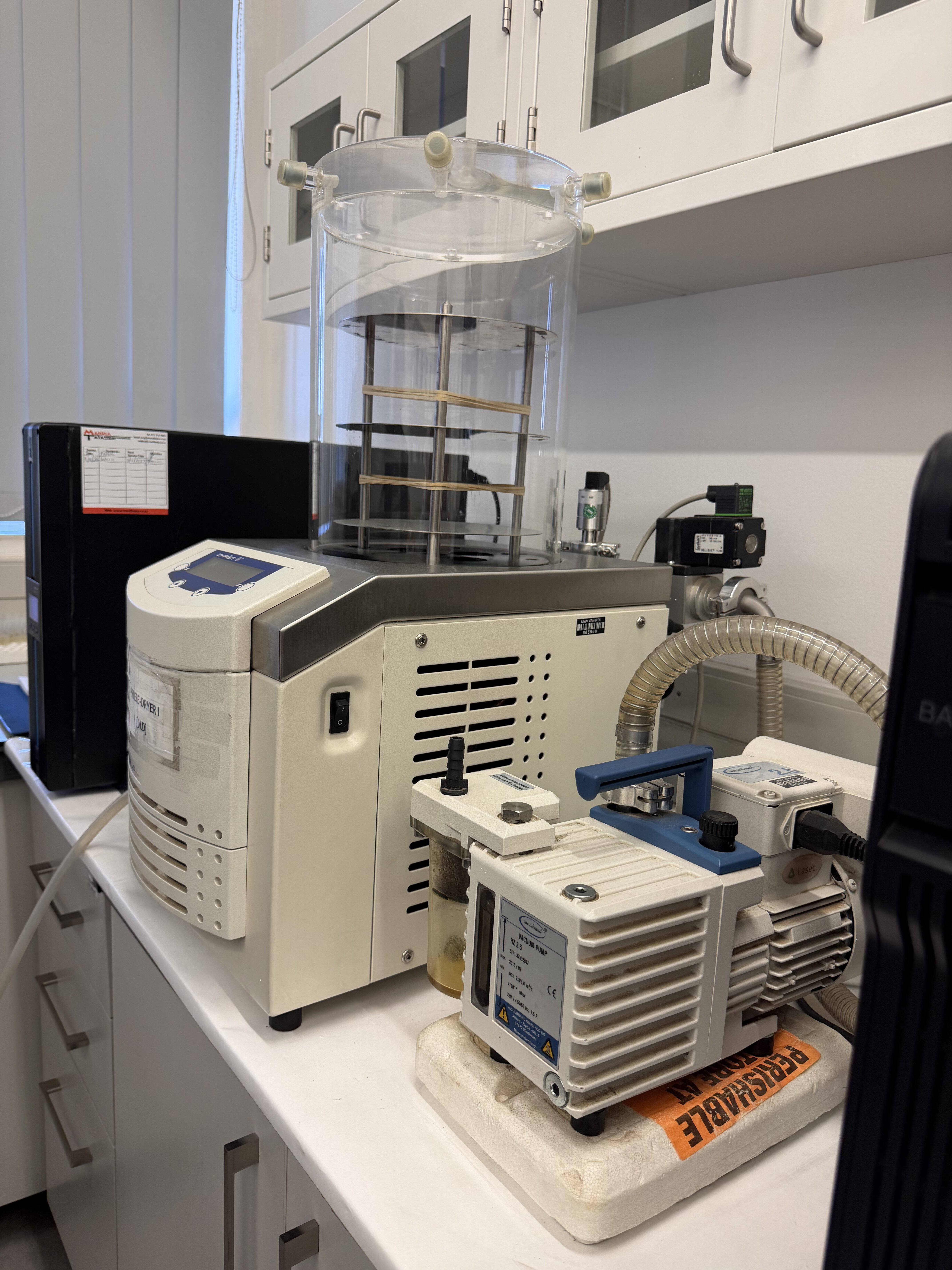
When we first started this project, we never imagined the complexities involved in putting together a fully capable scientific laboratory. Our journey began at the University of Pretoria, where Adine Roode and Wilma Rachmann had the opportunity to experience first-hand how a laboratory functions.
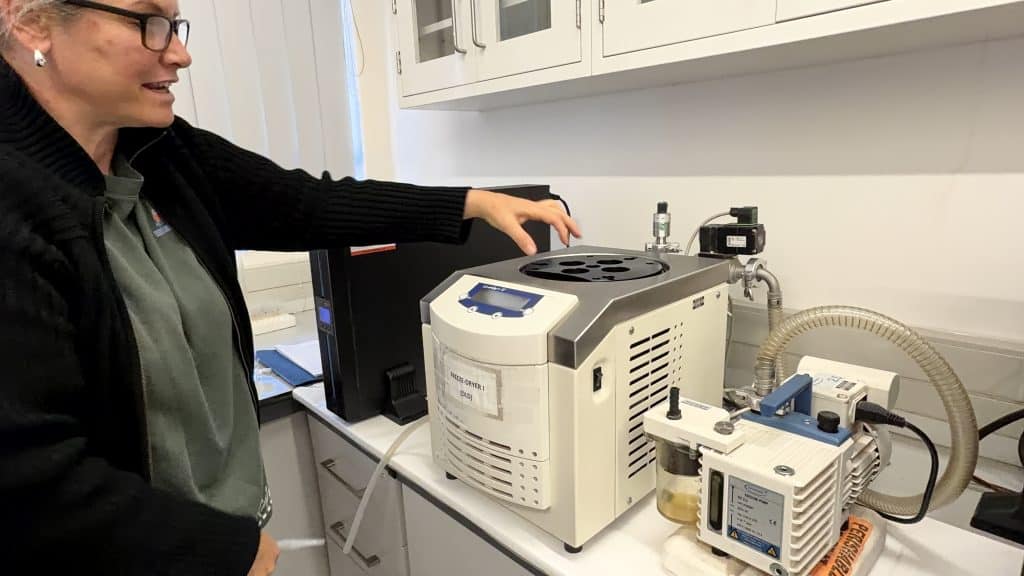
Thanks to several educational sessions and ongoing guidance, we have been able to compile a list of the most vital equipment needed for the centre. This ranges from specialised equipment, such as microplate readers and centrifuges, to everyday laboratory essentials, including pipettes.
This is by no means an easy task, as this is a wholly new field for HERD. We are stepping beyond our primary focus of caring for elephants and into the scientific sphere. While we are very excited about the opportunity to conduct regular feed and faecal tests, we have spent many late nights discussing equipment requirements with university staff, students, and conservation specialists.
Some of the more specialised equipment includes a microplate reader, which is one of the most important pieces of equipment for the laboratory. This reader must be able to read a 96-well plate at 450 nm and 620 nm wavelengths.
Another key piece of equipment is a plate washer, which needs to accommodate 96-well microplates with a 96-tube single manifold.
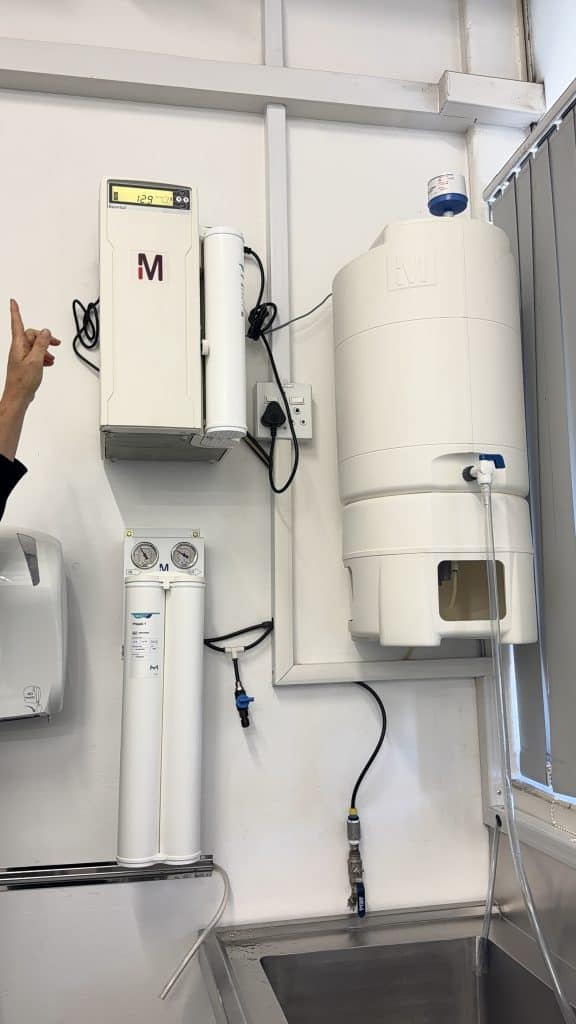
In addition to the laboratory equipment, our water system also needs to be upgraded to produce Type 2 water. Type 2 water is a high-purity laboratory water standard suitable for general lab applications, with moderate purity requirements between ultrapure Type 1 water and basic Type 3 water.
Getting the right furnishings
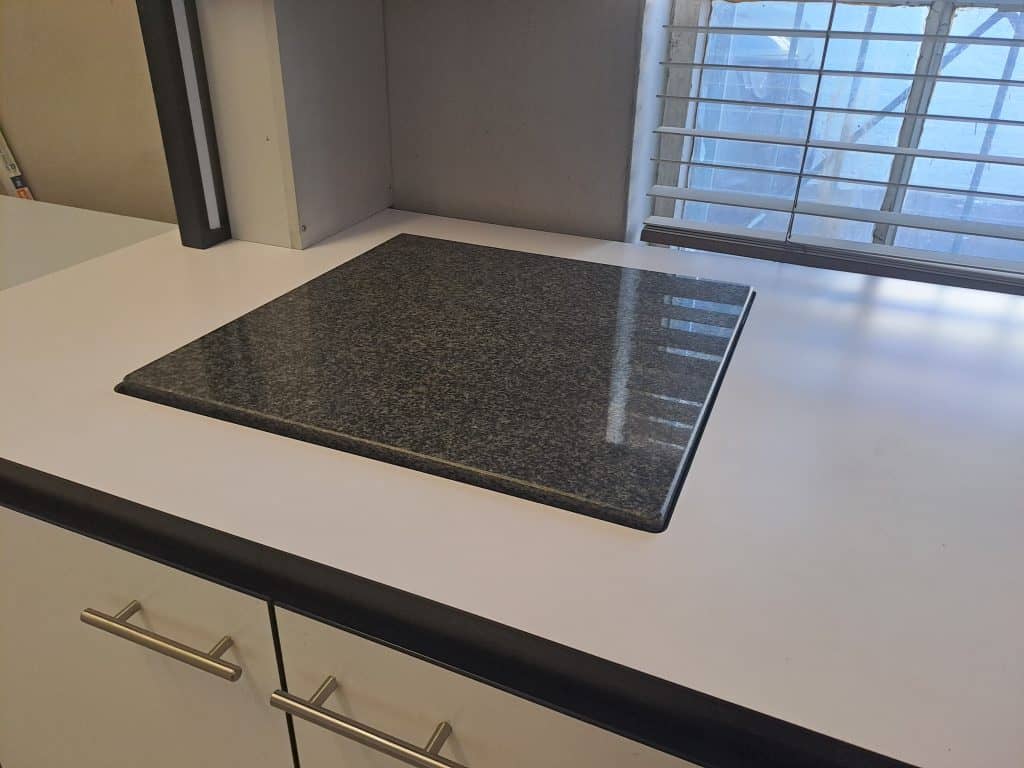
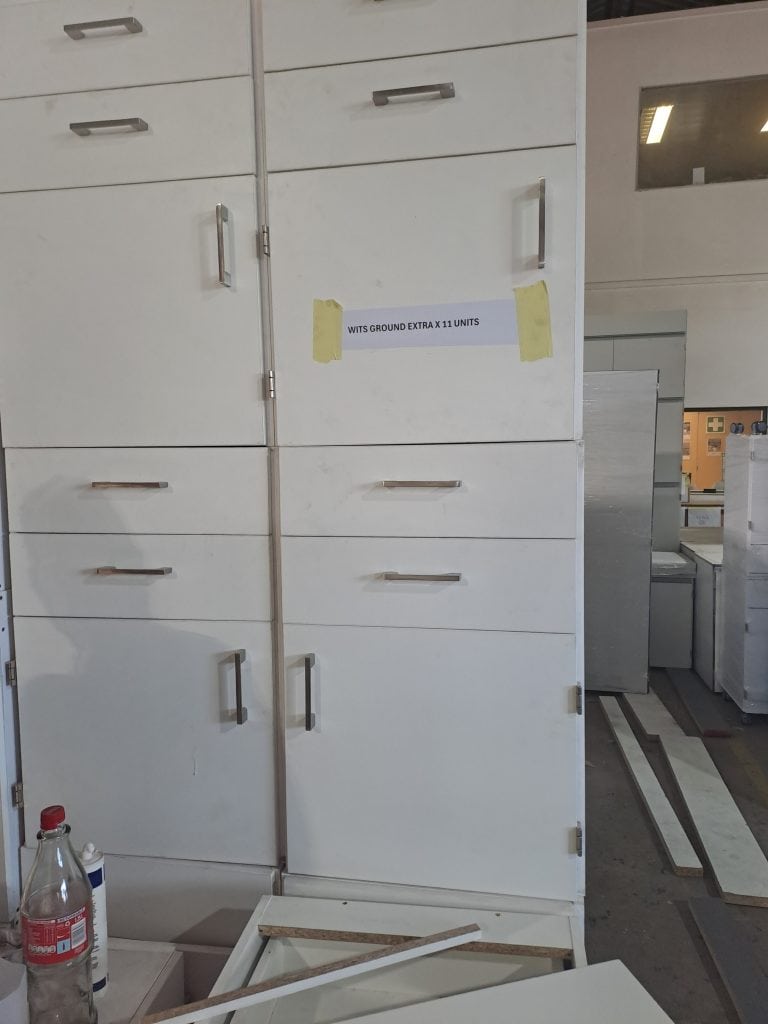
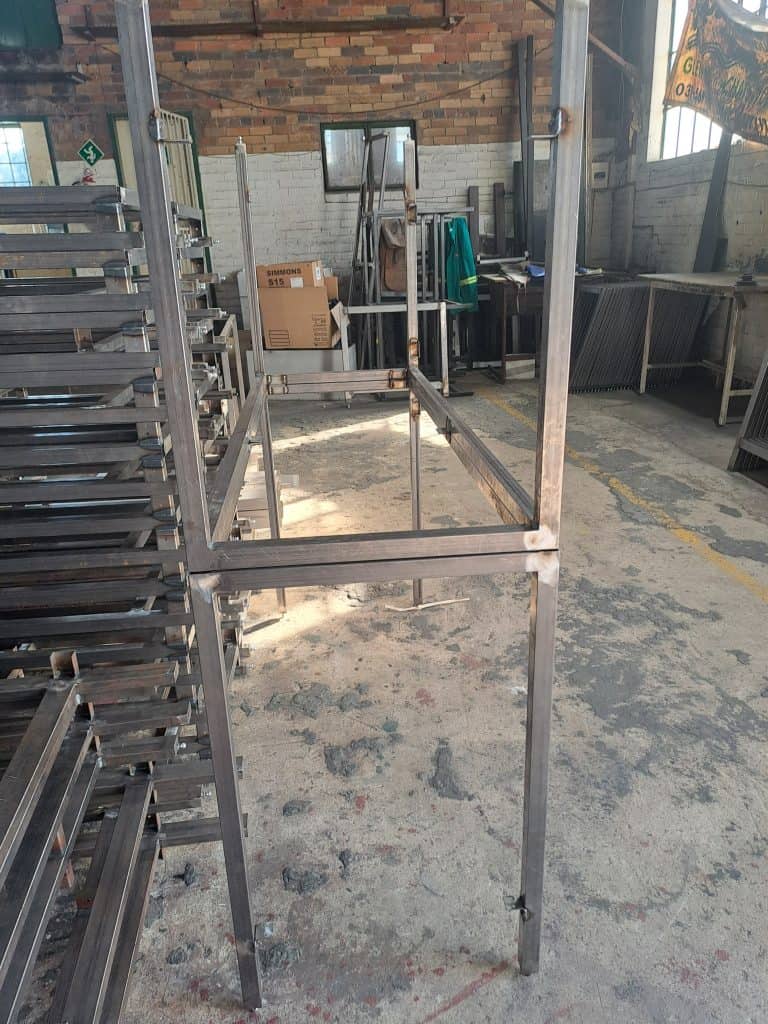
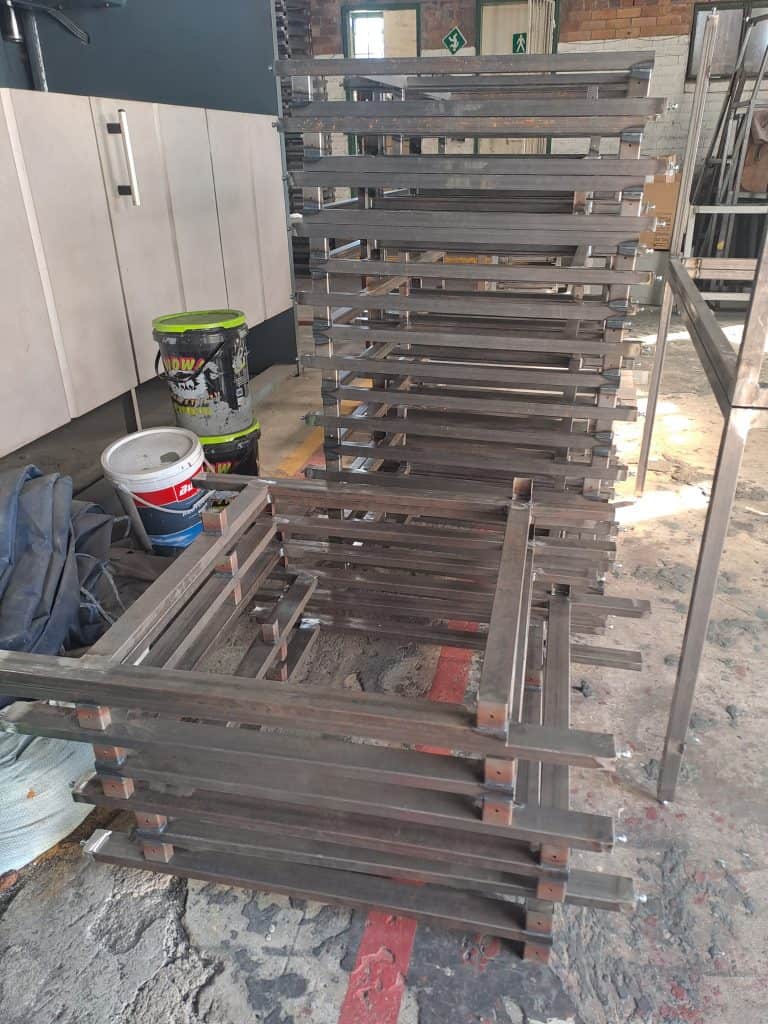
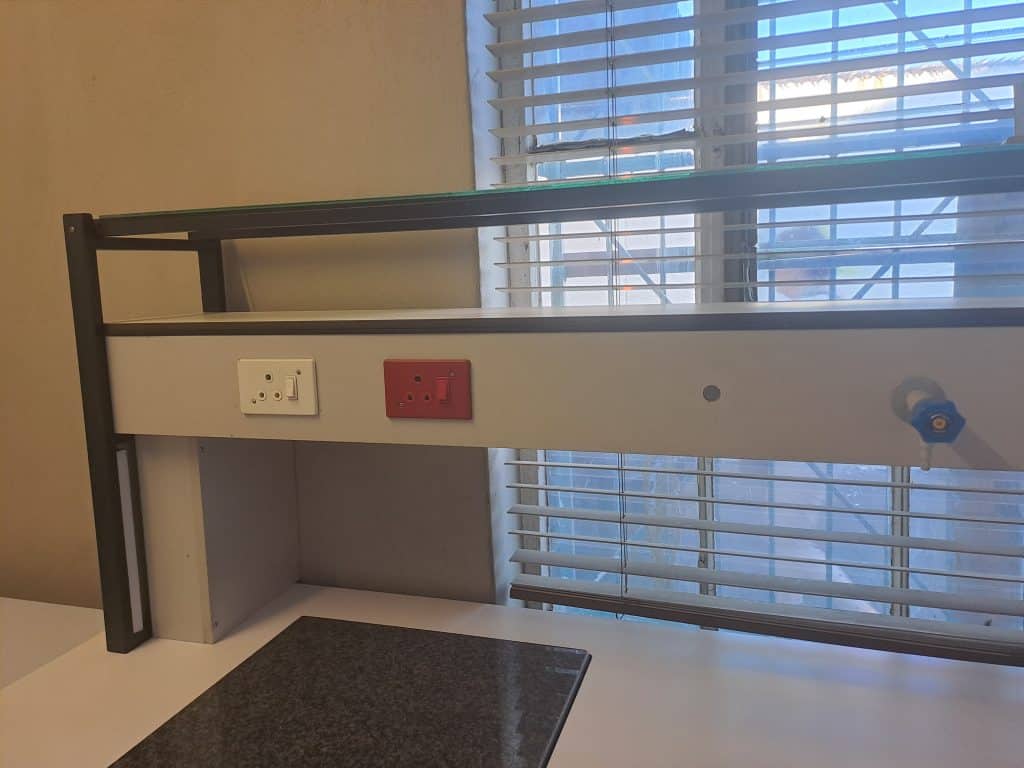
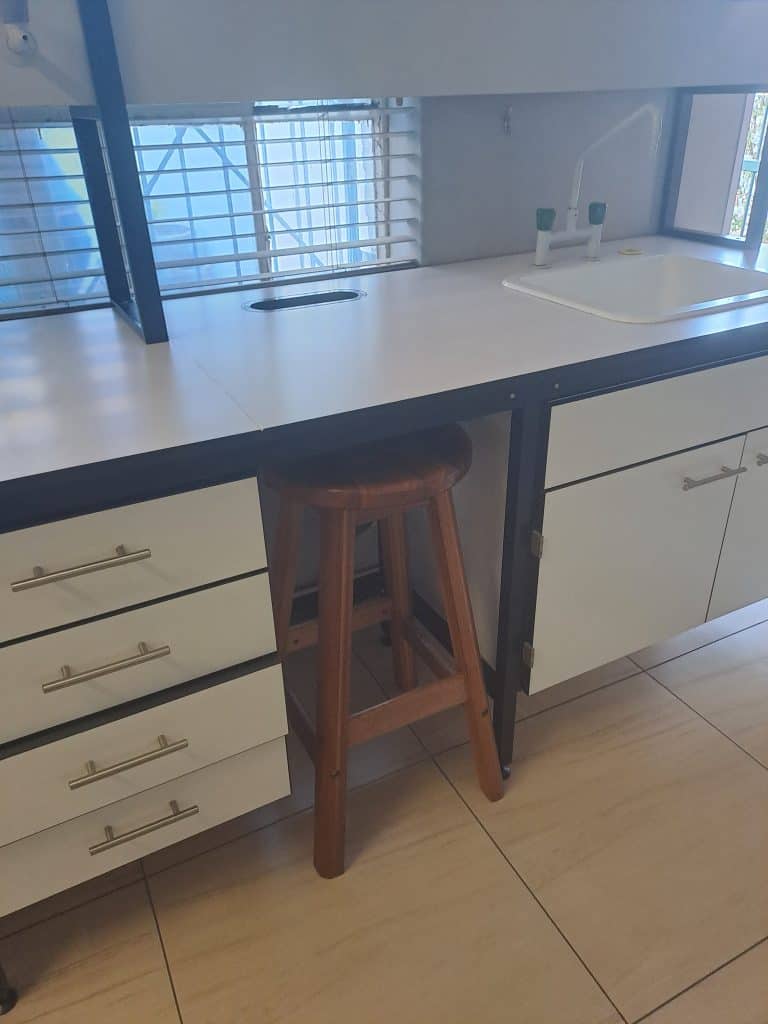
While part of our team continues researching and sourcing the correct equipment, Adine has been working on the research worktops, cabinets, and shelves needed to suit the planned laboratory layout.
Each inch and millimetre has been carefully measured and plotted onto our plans to ensure that the researcher can work with precision and efficiency. The selected products need to include chemical-resistant systems and precision-engineered epoxy resin worktops, designed for performance, safety, and longevity.
Training future conservationists
Another exciting part of this process is bringing together the right team to support this important project.
While we already have several expert scientists working with us, including Professor André Ganswindt, Director MASSAF, FRSSAF at the University of Pretoria, Dr Yolanda Pretorius, and Miané Reynolds, the centre also gives HERD the opportunity to train future conservationists who can play a meaningful role in elephant conservation.
The new team member will receive extensive training through the University of Pretoria to ensure they are able to produce accurate and reliable results.
As the facility grows, so too will the opportunities to answer some of the many questions that remain about these remarkable animals.
Future possibilities
While feed and faecal analyses are the initial focus, the centre has been designed to support future research projects that explore elephant nutrition, welfare, behaviour, rehabilitation, social dynamics, and environmental influences on health.
Beyond advancing elephant research, the centre will create opportunities for student internships, scientific training, skills development, and conservation education. By nurturing the next generation of conservationists and researchers, the centre will contribute to wildlife protection, local capacity-building, and a deeper understanding of elephant care.
As the In Memory of Limpopo Research Centre continues to take shape, we are reminded that building a research facility is about far more than bricks, mortar, or laboratory equipment. It is about creating a space where science, compassion, and conservation come together to better understand the needs of elephants and improve their welfare for generations to come.
Most importantly, this centre represents a legacy for Limpopo and Israel Shambira. Their story reminds us that there is still so much to learn about the complex relationship between humans and these intelligent animals.
By investing in research today, we are taking meaningful steps toward a future where elephants are better understood, better protected, and better cared for. This is only the beginning of a journey that will help us listen more closely to what elephants are telling us, ensuring that their voices continue to guide our conservation efforts for years to come.


No comments yet.