

Shaping Young Lives with Lessons in Conservation
- 22 May 2026
-
2
-
-


In April and May 2026, HERD partnered with the Lessons in Conservation (LiC) team to host a three-day outreach programme at Jameyana Primary School. The intention was simple: to help young learners understand conservation and their role in protecting the natural world. What followed was an experience that went far beyond the classroom.
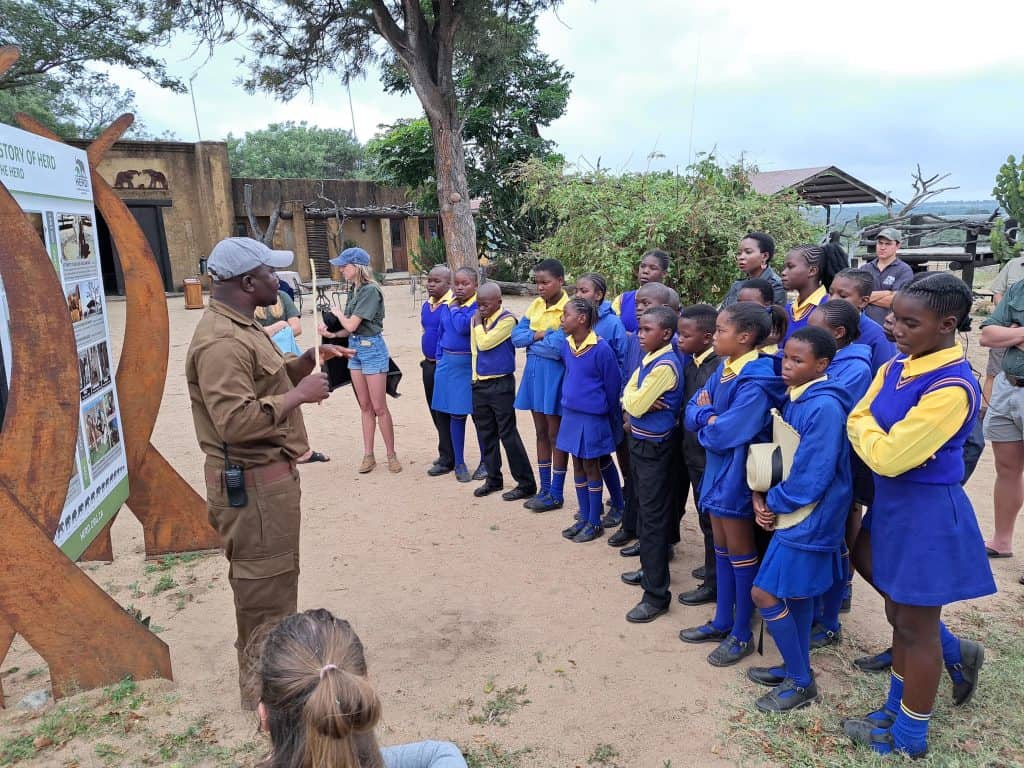
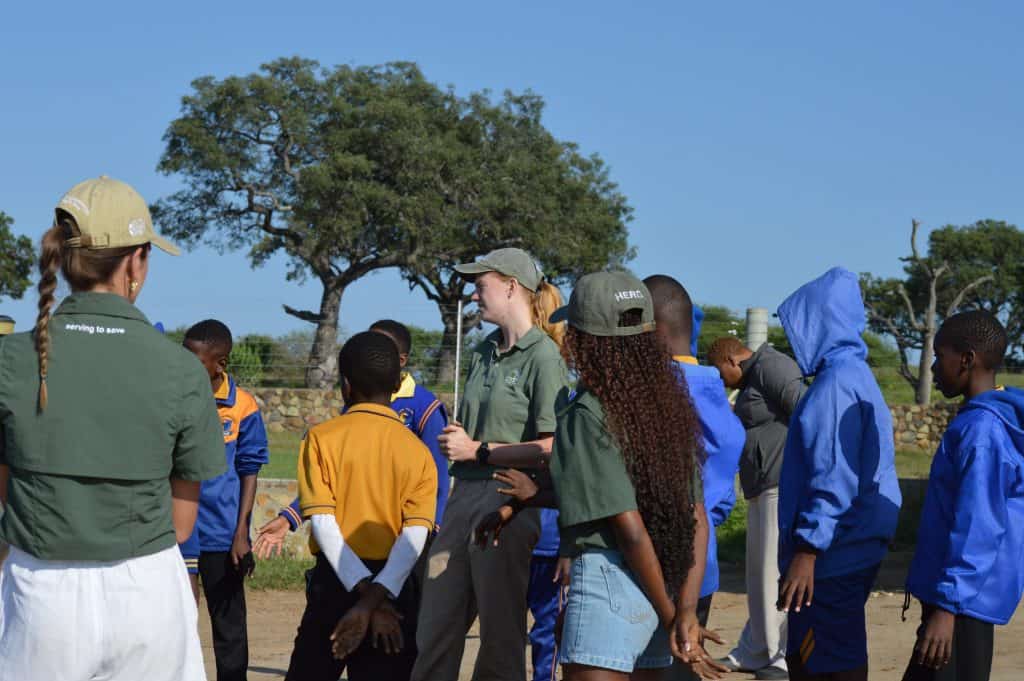
From the very beginning, the approach focused on making conservation real and understandable. Instead of relying on theory alone, the lessons used practical demonstrations that learners could see and feel.
As the programme progressed, a noticeable shift took place in the learners. Many started out shy, unsure if their contributions would be correct. But as the facilitators created a supportive environment, confidence grew. Learners began to ask questions, share ideas, and actively participate. This was especially clear during the conservation business activity, where small groups were asked to develop ideas that could both protect wildlife and benefit communities. One group designed an elephant conservation lodge, complete with a plan to fund veterinary care and anti-poaching initiatives.
Moving beyond the classroom
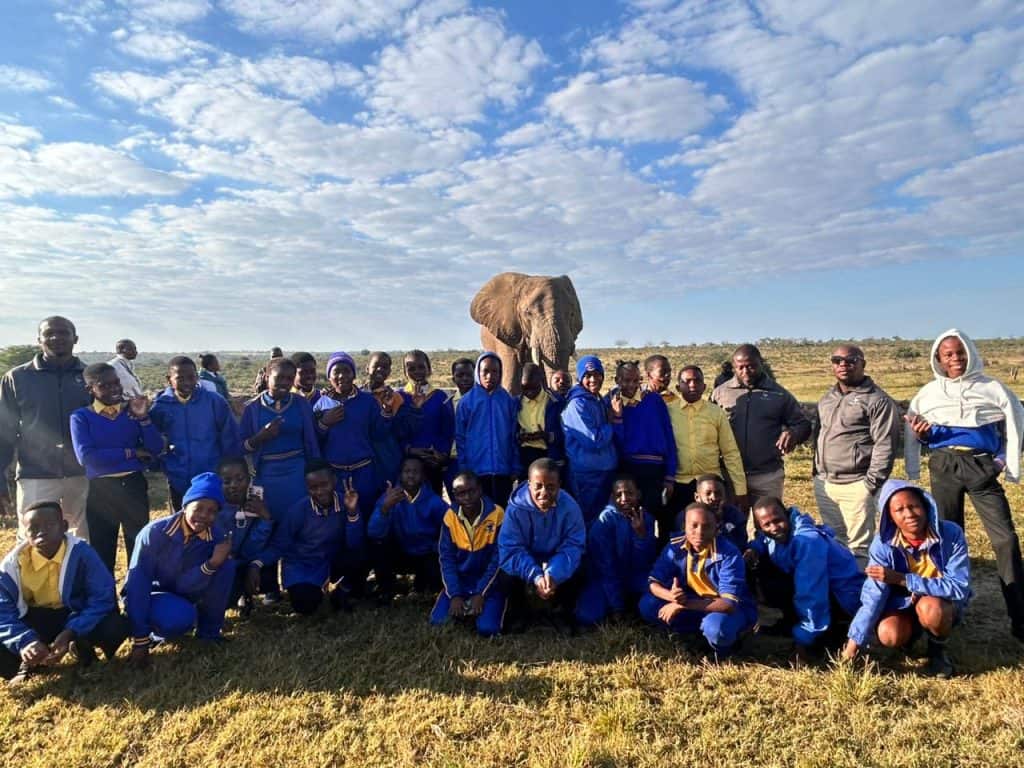
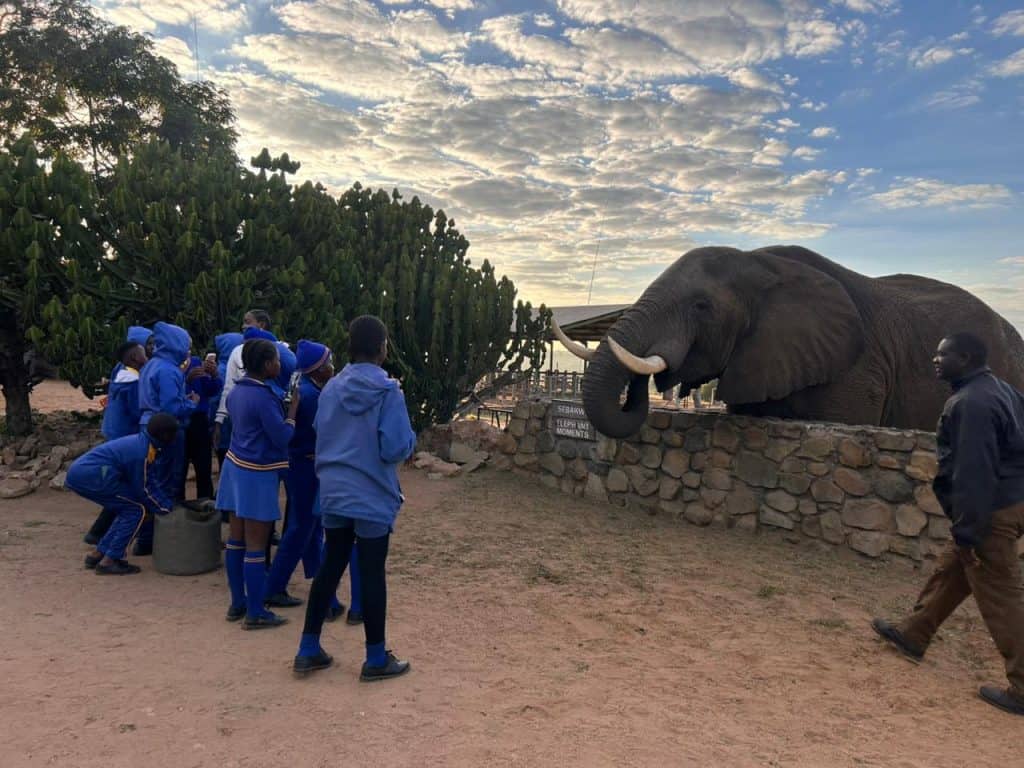
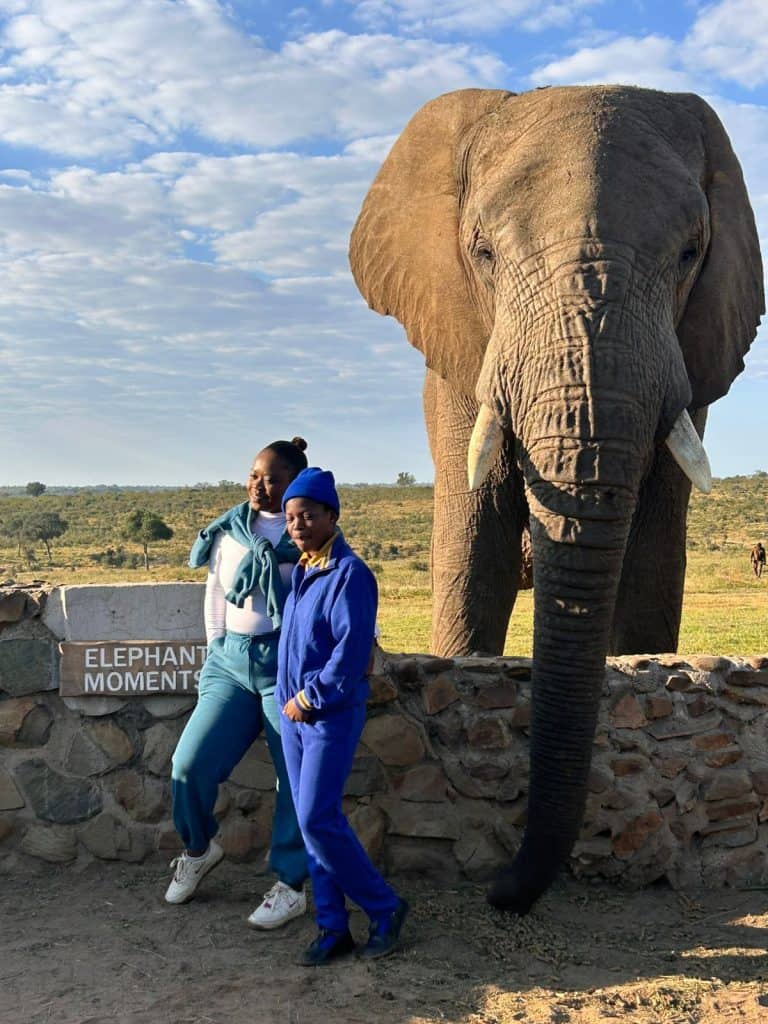
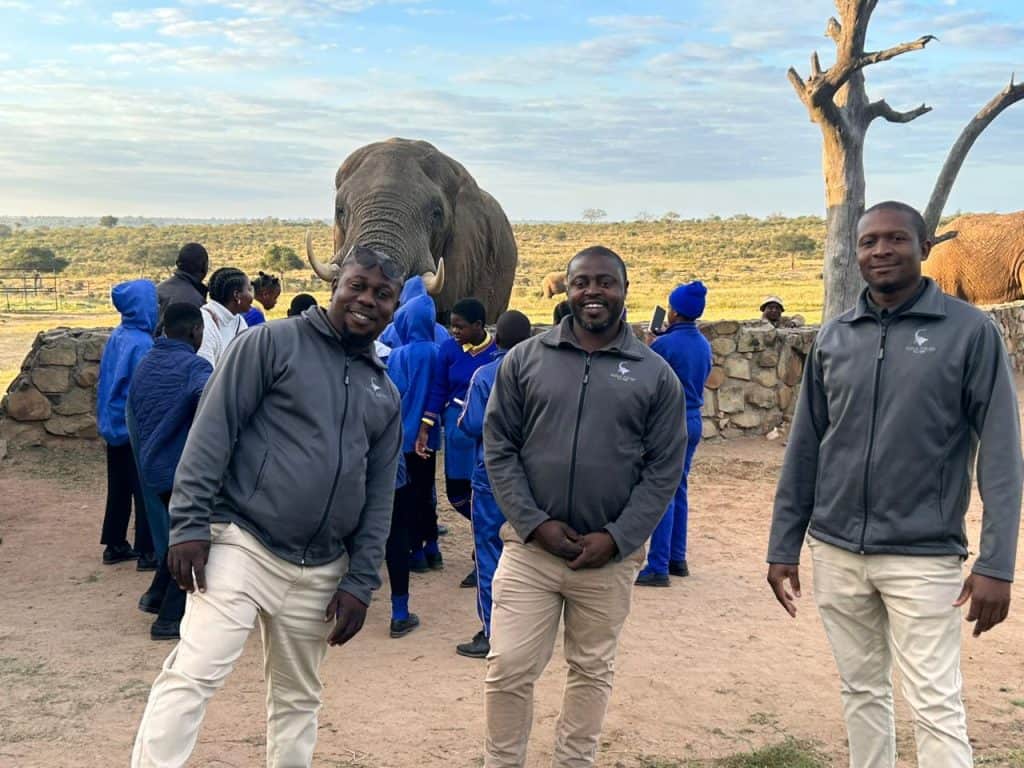
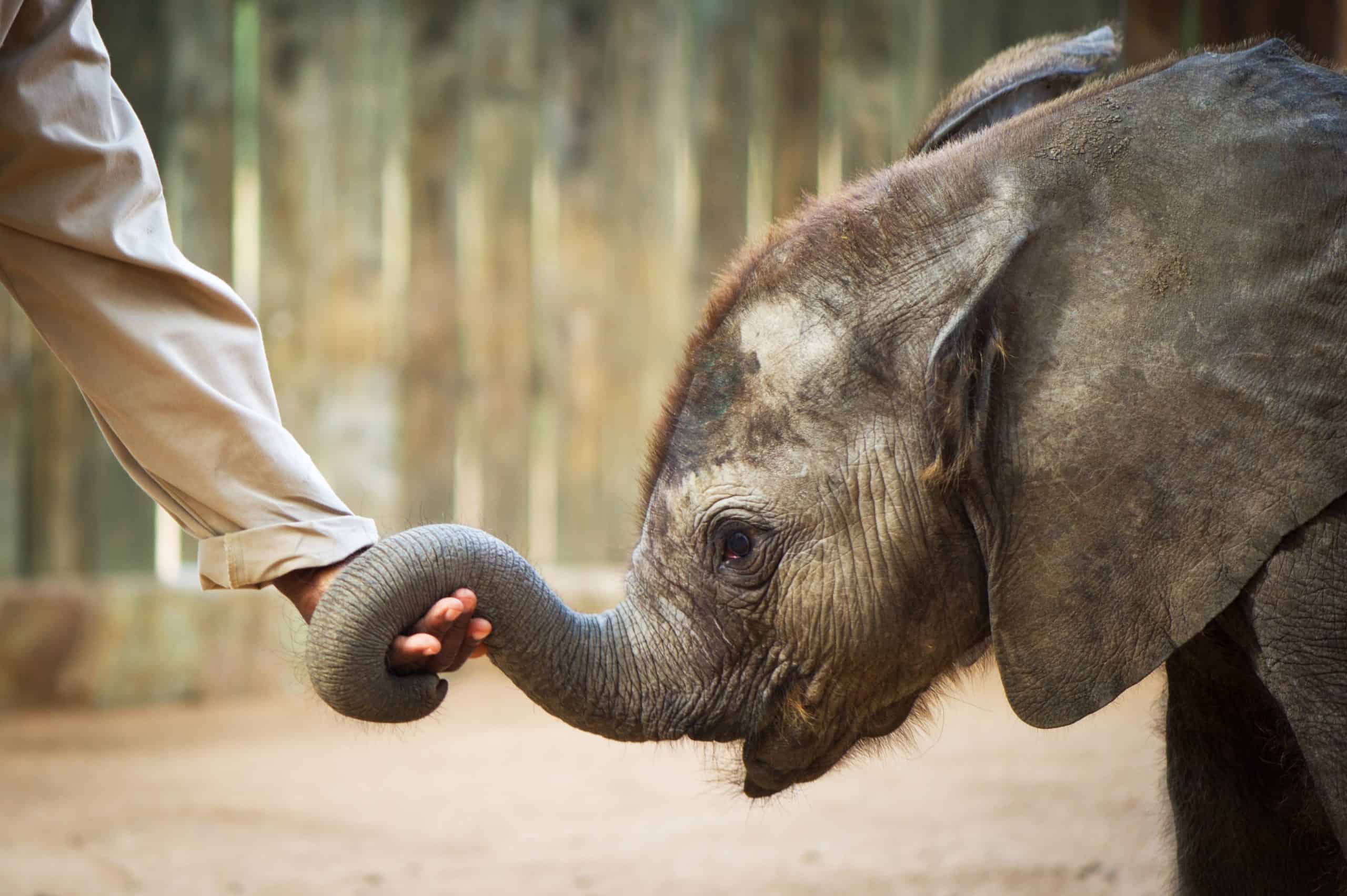
The most meaningful transformation, however, came when the experience moved beyond the classroom. A group of learners visited the elephants, and for many, it was their first close encounter. Initial reactions were hesitant, and some learners were afraid to come close. With gentle guidance, they slowly built the confidence to interact. What began as fear turned into curiosity, and eventually into a sense of wonder. One learner later reflected that when humans show kindness to elephants, elephants respond in the same way. This was not a lesson taught through words, but one discovered through experience.
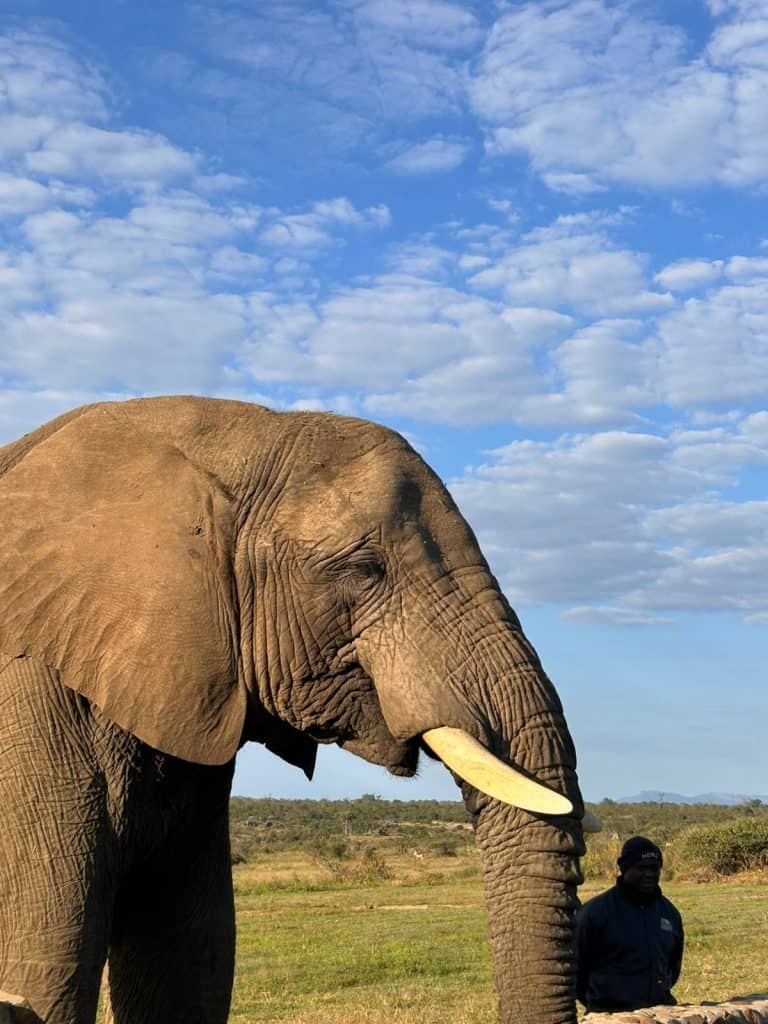
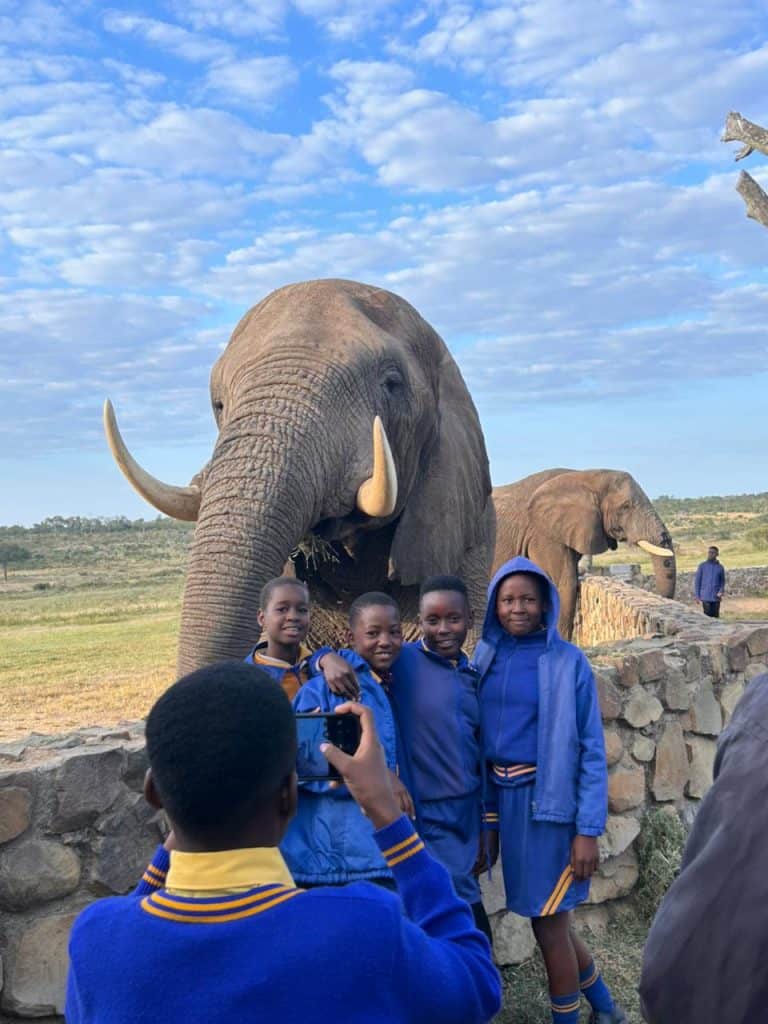
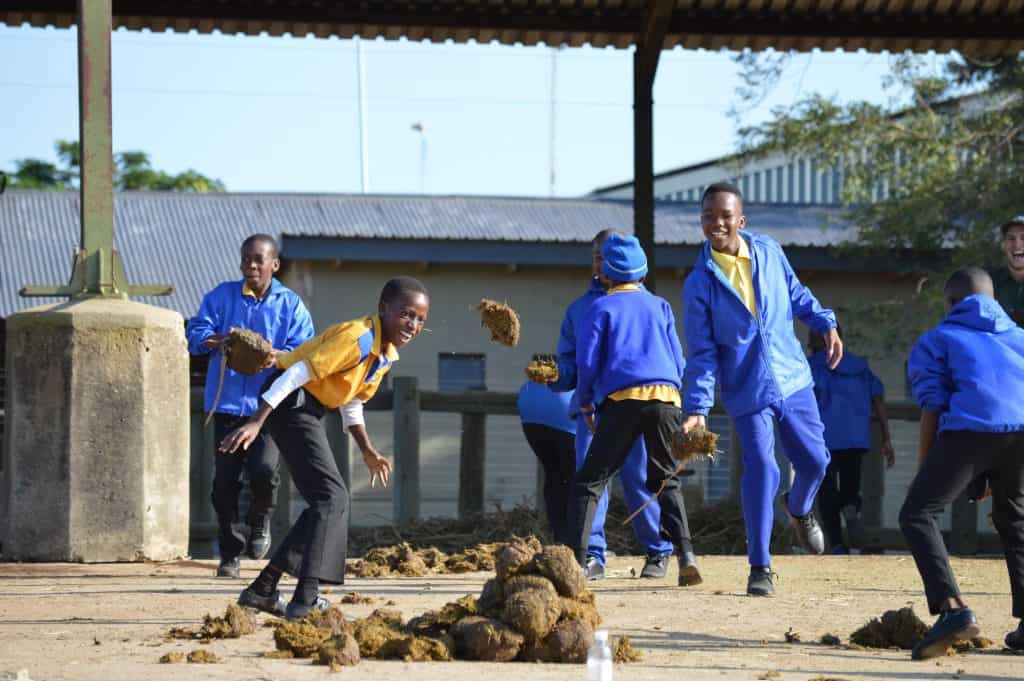
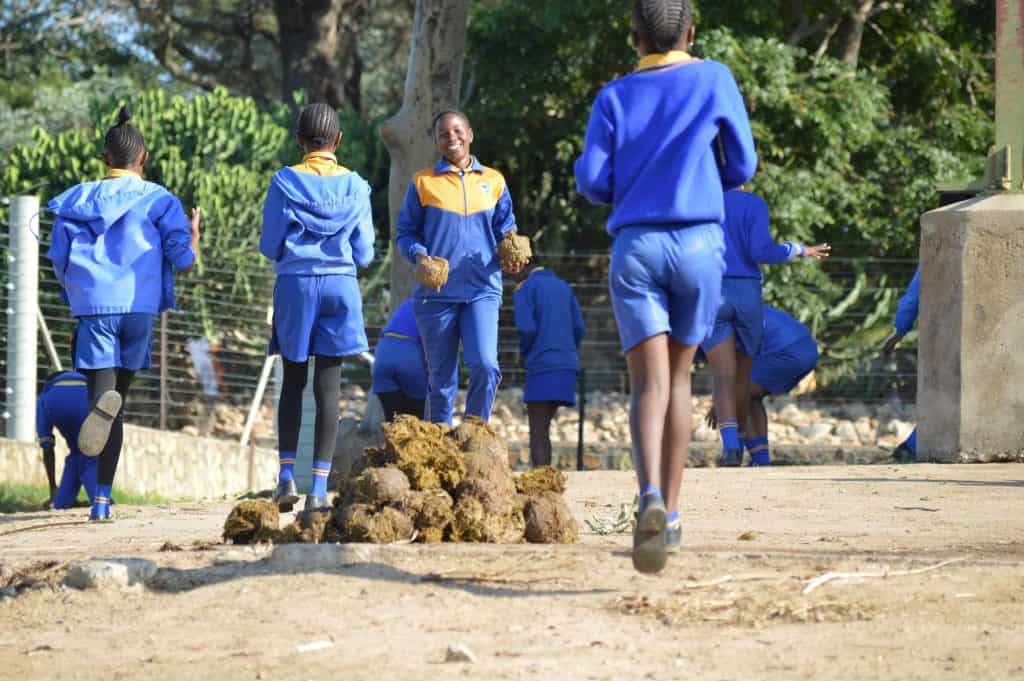
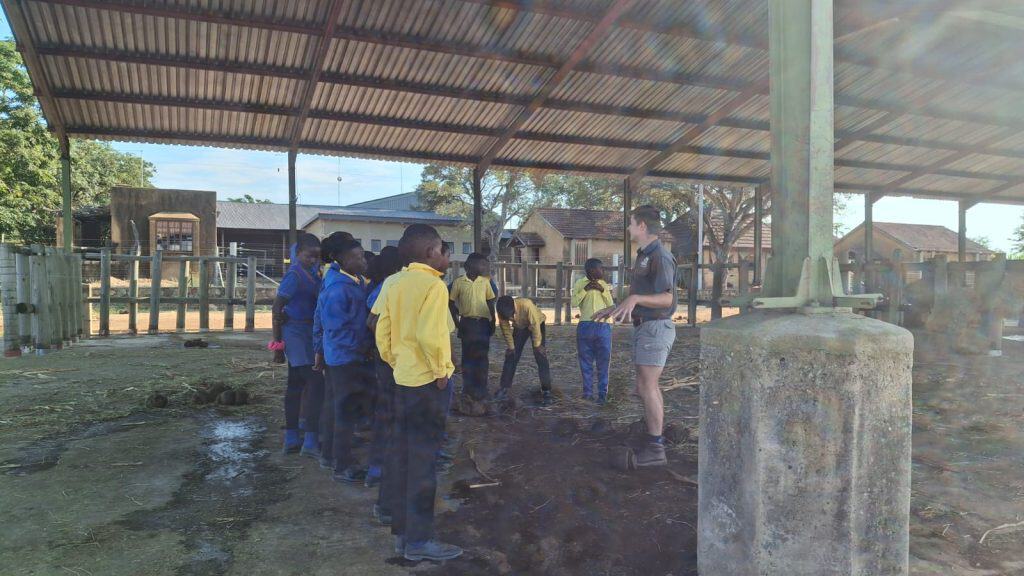
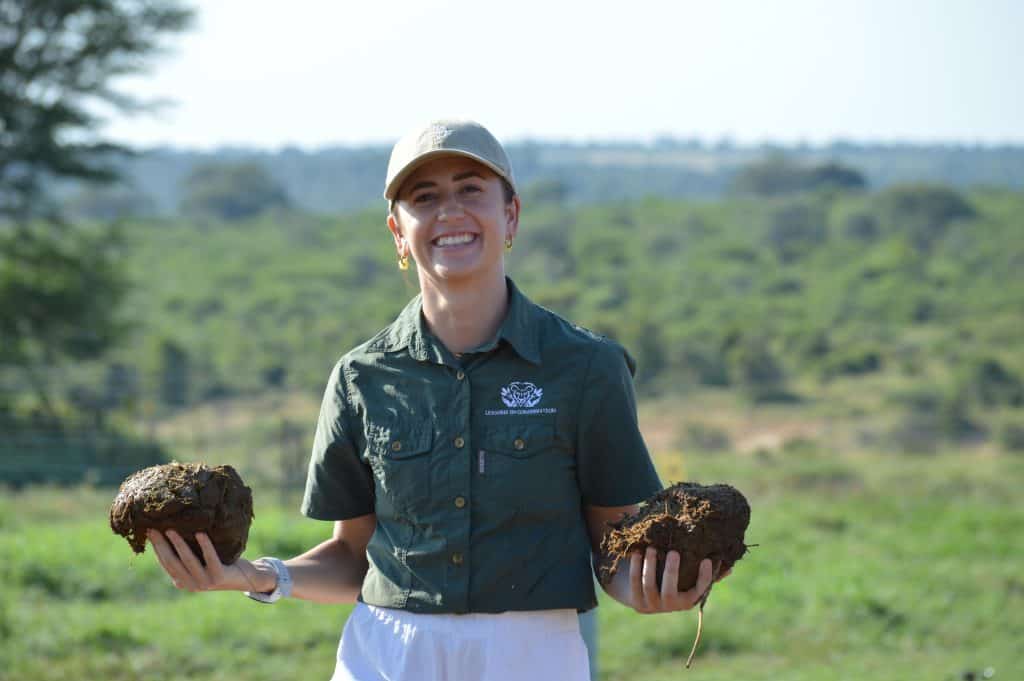
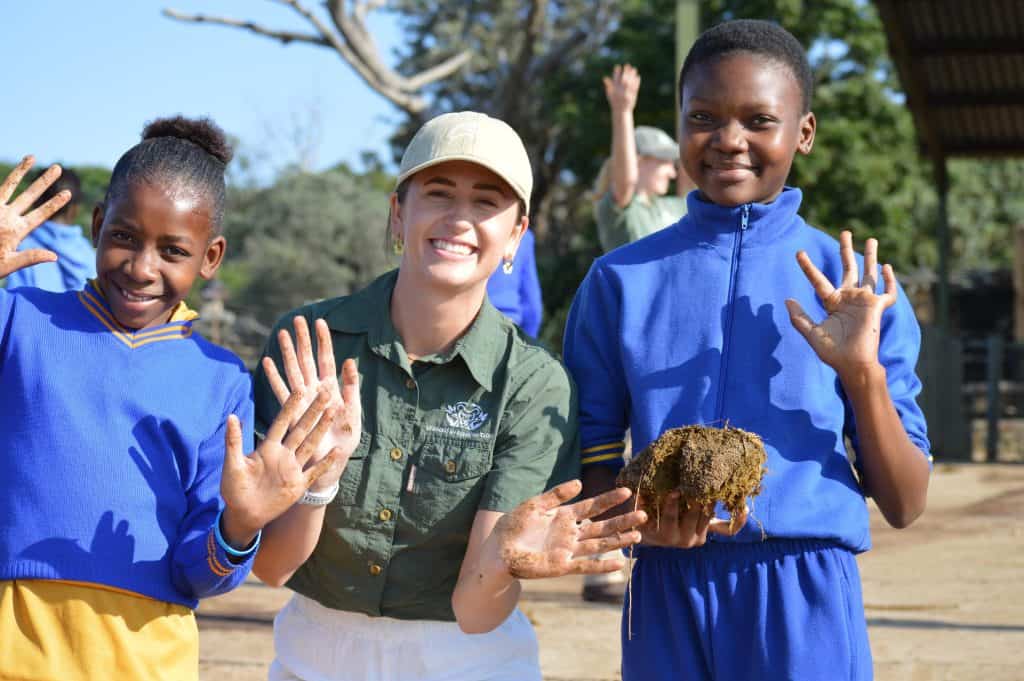
The visit also included moments that connected conservation to everyday life. During a practical activity cleaning elephant stables, learners discovered that elephant dung is not simply waste, but a resource that can be used in various ways. This introduced the idea of sustainability in a way that felt grounded and relevant. By turning the activity into a friendly competition, the team ensured that learning remained engaging while still meaningful.
Collaboration with the LiC Team
The success of the programme relied on strong collaboration between HERD and the LiC team.
LiC is a a youth-led organisation, striving to leave the natural world in a better place than we found it. As a group of young people, bound together by a common love for children and wildlife, they are taking responsibility for our future.
The LiC facilitators brought energy, creativity, and a clear passion for education. They created an environment where learners felt encouraged rather than intimidated, and where curiosity was welcomed. HERD supported the logistical and practical aspects, ensuring that the programme ran smoothly and that learners had access to real experiences that brought the lessons to life.
This is where conservation education has its greatest impact. It is not about delivering information alone. It is about helping young people see that they have a role to play, and that their actions matter. When learning is grounded in real experiences, it becomes something personal and lasting.
HERD would also like to extend sincere thanks to Sable Tours for their generous support in transporting the learners safely to and from the school throughout the visit. Reliable transport played an essential role in ensuring that every learner could participate fully in the programme, and this contribution helped make the entire experience accessible, smooth, and enjoyable for all involved.
The question that remains is how we create more of these opportunities. Because meaningful change begins with moments like these, where understanding turns into connection, and connection leads to action.


Charlotte
What a milestone! Education and involvement of local communities is the most important part towards a sustainable future. I am SO proud of you, herd team!!!