

Limpopo’s Legacy Lives On
- 17 April 2026
-
3
-
-


The First Calf Born into the Jabulani Herd
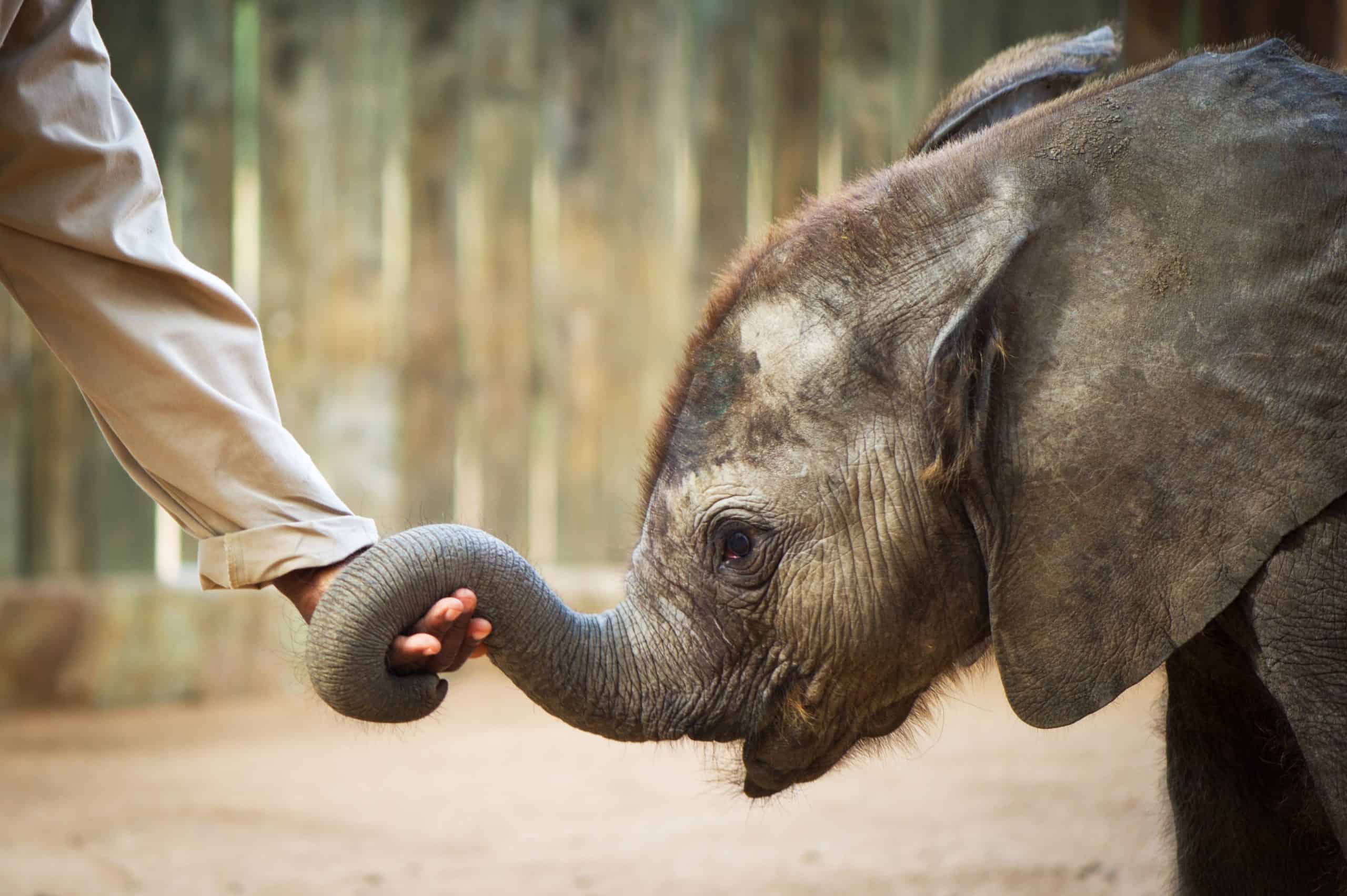
On 19 August 2006, something remarkable happened at the homestead. Tokwe, the matriarch of the Jabulani herd, gave birth to the first calf ever born within the rescued herd. They named her Limpopo, after the great river that flows between South Africa, Botswana, and Zimbabwe. In African languages, the name evokes a strong, gushing waterfall. It was fitting. She was exactly that.
Her birth meant more than just a new life. Elephants do not reproduce when they feel unsafe or under stress. Tokwe’s willingness to bring a calf into the world was a living sign that the herd had truly healed, that safety and trust had taken root. Limpopo was proof that something new had begun.
She grew into a strikingly confident young elephant: athletic, intelligent, deeply protective of the younger calves in her care , Pisa, Timisa, Khanyisa. A matriarch in the making who shadowed her mother’s every step.
Those who knew her described her as the most perceptive elephant in the herd. She could read the emotions of her family with ease. She loved to swim, never missing a chance to roll in the waterhole with joyful abandon. She had a quirky habit of smelling the tops of heads and, with surprising precision, occasionally pulling out exactly two hairs. She was bold, warm, and almost impossibly present. Where there was a connection to make, Limpopo was already there.
For 19 years, she was a constant. The eldest daughter, the devoted allomother, the future matriarch. She carried within her the full promise of what this herd could become.
A Week That Changed Everything
On 13 September 2025, HERD lost one of its most beloved family members. Israel Shambira, a carer who had dedicated over two decades of his life to these elephants, was fatally attacked by Limpopo. He passed away in the line of duty, doing the work he loved, among the animals he knew as intimately as family.
The tragedy sent shockwaves through the HERD community. Israel had known Limpopo her entire life. She had known him for just as long. There were no warning signs. No history of sustained aggression. Her behaviour came entirely without precedent, which made the grief all the more profound, and the questions all the more difficult to hold.
In the days that followed, HERD’s founder, Adine Roode, along with a team of experts, exhausted every possible alternative to ensure the safety of both carers and the herd. A relocation was planned and attempted. But when the move began, a distress call from the homestead set off a chain of events that placed more lives at risk. With no viable path left and knowing that another life could not be lost, Adine made the most painful decision of her life.
On 19 September 2025, Limpopo was humanely euthanised. The herd was given time to be with her as she rested peacefully. Tokwe, the matriarch and her mother, stayed close. She was buried at the very spot where her family had last seen her. A few days later, Tokwe returned to that place, and paused.
“Euthanising an animal is one of the most painful responsibilities for any caregiver. It is never taken lightly. Every loss is deeply felt, and Limpopo’s was no different.” — Adine Roode
HERD lost two members of its family in one week. The grief was, and continues to be, immense. But from within that grief, a question emerged: what could be learned? What could change? How do you honour a life by protecting the ones that follow?
Why This Lab Carries Limpopo’s Name
In the wake of September, HERD committed to turning loss into understanding. The answer came in the form of a purpose-built research centre, the In Memory of Limpopo Research Centre, dedicated to monitoring elephant stress and emotional well-being in ways that had not been possible before.
The centre will carry her name as a daily reminder of what was lost, and what must now be built. It is not a monument to grief. It is a laboratory of purpose, a place where science and compassion meet, where the invisible emotional lives of elephants become legible.
Non-Invasive Stress Research
Through regular faecal hormone analysis, researchers will track glucocorticoid levels as precise indicators of stress, without ever disturbing the animals. Science that listens without intruding.
Behavioural Observation
Biological data will be matched with detailed behavioural observation records, allowing HERD to detect subtle changes in herd dynamics and individual wellbeing before they escalate.
Environmental Tracking
Temperature, rainfall, and seasonal change; the centre will map how the natural environment shapes elephant stress responses, building a long-term dataset that deepens understanding across seasons and years.
Expert Collaboration
The centre anchors existing partnerships with Dr André Ganswindt of the Mammal Research Institute (University of Pretoria) and Dr Yolandé Pretorius, Wildlife Ecologist, giving this work a permanent scientific home.
How Research Protects Future Elephants
Semi-habituated elephants, those who live at the intersection of wild systems and human care, are among the least understood animals in conservation. They are neither fully wild nor fully captive. The research that exists on them is fragmented, often incomplete, and rarely applied in real time. The Limpopo Research Centre is designed to change that.
Existing research from HERD and the University of Pretoria has already shown that orphaned elephants integrated into a family herd early in life experience significantly lower stress levels than those introduced later. The new centre gives that kind of insight a permanent, repeatable, scientific foundation.
When we can read stress in real time, when behaviour and biology are mapped together over years, we can intervene earlier, adapt care more precisely, and build rewilding programmes grounded in what elephants actually need, not what we assume.
The research also feeds directly into HERD’s long-term rewilding mission. Every dataset built within the Limpopo Research Centre becomes part of a growing body of evidence for how semi-captive elephants can be prepared to return to the wild, ethically, carefully, and with the emotional support structures they need to thrive.
This is how Limpopo’s story continues. Not as a tragedy remembered quietly, but as a turning point that reshapes how the herd is understood, how carers are protected, and how future generations of elephants are given the best chance at a full life.
Become Part of Limpopo’s Echo
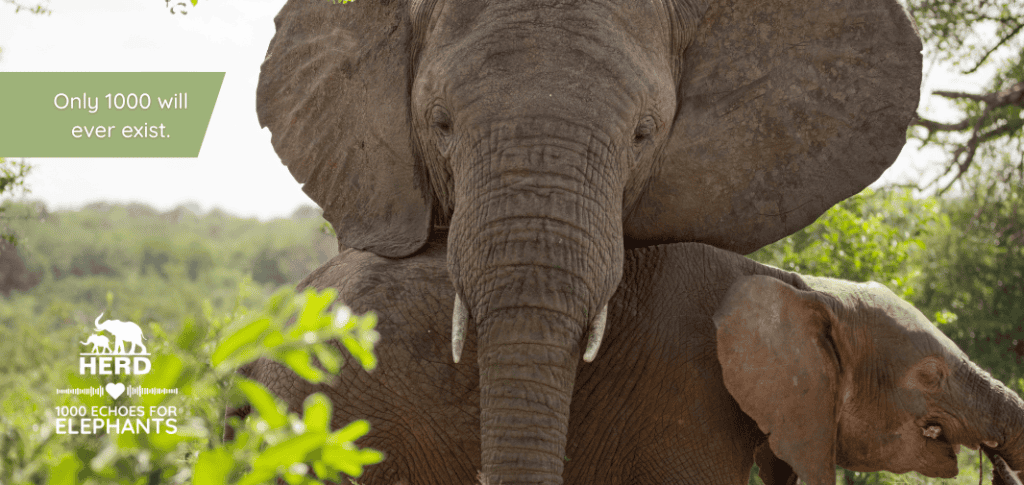
The 1000 Echoes for Elephants campaign is raising $280,000 to build the Limpopo Research Centre. Each echo costs $200, and every name is permanently engraved on the Echo Wall inside the centre, forming part of a soundwave that spells “Limpopo.”
142 echoes raised · 858 echoes needed · Only 1,000 will ever exist


No comments yet.