

Building the Research Centre, One Piece of Equipment at a Time
- 30 July 2026
-
0
-
-


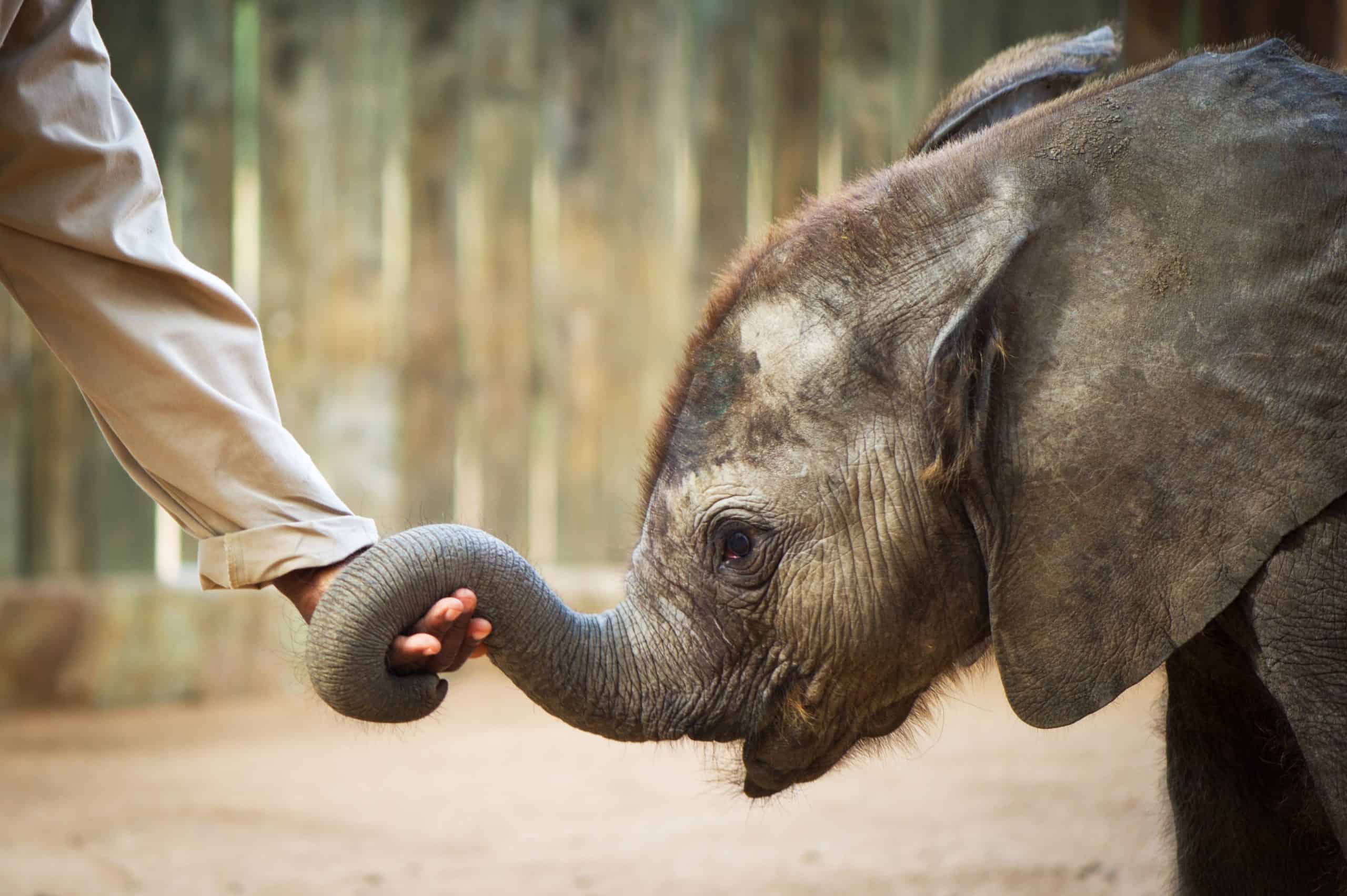
Every elephant at HERD has a story.
Some parts of that story are easy to see. A calf growing more confident. An elephant settling into the herd. A rescued individual learning to trust again.
Other parts are invisible.
Stress. Recovery. Physiological wellbeing.
To understand these, researchers look somewhere unexpected: elephant dung.
By analysing naturally occurring hormones in dung samples, researchers can gain valuable insights into an elephant’s wellbeing without disturbing or handling the animal. It’s a completely non-invasive approach that allows us to monitor health over time while letting elephants simply be elephants.
This work has always been part of HERD’s commitment to evidence-based elephant care. Until now, however, many samples have had to be sent to external laboratories for analysis, adding time, cost and logistical challenges to every study.
The research centre at HERD is changing that.
By establishing our own research laboratory, we’ll be able to carry out much of this work on site, strengthening our ability to care for the elephants at HERD while contributing valuable knowledge to elephant conservation around the world.
Why a research laboratory matters
Every decision we make is guided by one question:
What is best for the elephants?
Behavioural observations tell us what we can see.
Hormone analysis helps us understand what we can’t.
Together, they provide a far more complete picture of an elephant’s physical and emotional wellbeing, helping us monitor how rescued elephants adapt to their environment, respond to changes over time and thrive within the herd.
Having our own laboratory also means faster turnaround times, greater consistency and the ability to build one of the most comprehensive long-term datasets on rescued elephants in Africa.
Every sample follows a journey
Analysing a single dung sample involves a carefully controlled scientific process. Each piece of equipment plays an important role in ensuring the results are accurate, reliable and meaningful.
Freeze Dryer and Vacuum Pump
Dung samples need to be carefully preserved to maintain the integrity of the hormones they contain. A freeze dryer removes moisture while preserving the sample, allowing it to be stored for future analysis or shared with research collaborators around the world without compromising scientific quality.
A freeze dryer gently removes moisture while preserving the sample’s biological integrity, allowing it to be stored for future research or safely shared with collaborators around the world.
Without proper preservation, valuable scientific information can be lost forever.
Plate Shaker
After hormone extracts have been prepared, they undergo two incubation stages where they need to bind with specialised reagents on a microplate.
The plate shaker provides a gentle, continuous motion throughout this process, helping the extracts bind evenly and consistently. This improves the quality of every analysis and ensures the results are as accurate as possible.
As part of this process, the plate shaker also requires temperature-controlled incubation. Dedicated equipment will provide a more reliable long-term solution for the laboratory.
Microplate Washer
Once each incubation stage is complete, the microplate must be washed to remove any material that hasn’t bound correctly.
A microplate washer automates this step with precision, ensuring every well is cleaned consistently without disturbing the reactions that researchers need to measure. This reduces the possibility of human error while improving both efficiency and repeatability.
Microplate Reader
Once the plate has been prepared, it’s ready to reveal what the sample can tell us.
The microplate reader measures the chemical reactions that occur during the analysis, allowing researchers to determine hormone concentrations within the dung sample.
These measurements provide valuable insights into stress, reproductive health and physiological wellbeing, helping us understand each elephant’s journey in greater detail.
Temperature-Controlled Centrifuge
Before hormone analysis begins, dung samples must be carefully processed so the hormones can be extracted for testing.
A temperature-controlled centrifuge separates the sample during this preparation stage while maintaining stable conditions throughout the process.
Although elephant dung samples are currently processed at room temperature, temperature control provides flexibility for future research involving different sample types and other wildlife species as the Shambira Research Centre grows.
What this means for elephant conservation
With this equipment in place, our research team will be able to:
• Monitor stress levels as rescued elephants settle into new environments.
• Better understand how changes in habitat, management and social dynamics influence elephant wellbeing.
• Study reproductive hormones to support long-term herd health.
• Build detailed physiological records for every elephant in our care.
• Preserve valuable samples for future research and collaboration with conservation scientists around the world.
Every result helps us make better decisions for the elephants we care for today while contributing knowledge that may benefit elephant conservation far beyond HERD.
Building a legacy of knowledge
The Limpopo Research Centre is more than a laboratory.
It is a commitment to asking better questions, gathering better evidence and continually improving how we care for elephants.
Every piece of equipment we add brings us closer to a future where discoveries made at HERD can help elephants everywhere.
How you can help
Building a research laboratory takes more than passion. It requires the specialised equipment that makes high-quality conservation science possible.
We’re sharing exactly what is needed, and what each item costs, because we believe every supporter deserves to know how their contribution creates lasting impact.
| Equipment | Why it’s needed | Estimated Cost (ZAR) | Priority |
|---|---|---|---|
| Agilent BioTek 800TS Microplate Reader | Measures hormone concentrations in elephant dung samples, allowing researchers to monitor stress, reproductive health and overall physiological wellbeing. This is the core instrument of the laboratory. | R 108 015 | Essential |
| BioTek 405LS Microplate Washer | Automates the washing of 96-well plates during hormone analysis, ensuring accurate, repeatable results while reducing human error. | R 273 882 | High |
| Freeze Dryer & Vacuum Pump (Coolvacuum LYOMICRON55 with 3 shelves) | Preserves dung samples for long-term storage and future research while maintaining the integrity of the hormones being analysed. | R 347 500 | Essential |
| Thermo Scientific Megafuge ST1R Temperature-Controlled Centrifuge | Processes samples during hormone extraction while maintaining stable temperatures, supporting both current elephant research and future multi-species studies. | R 259 045 | Essential |
| Heidolph Titramax 100 – Plate Shaker | Provides gentle, continuous mixing during incubation, ensuring hormone extracts bind correctly and improving the accuracy of laboratory results. | R 27 082 | Essential |
Whether you help fund one piece of equipment or contribute towards the laboratory as a whole, you’re investing in research that will support elephant conservation for generations to come.
Every sample analysed.
Every question answered.
Every discovery made.
It all begins with the right tools.
[Donate Button]
Follow our journey as the research centre comes to life and discover how your support is helping shape the future of elephant conservation.


No comments yet.