

Our Bana Grass Beat Drought and Floods to Feed our Elephants
- 09 March 2026
-
2
-
-


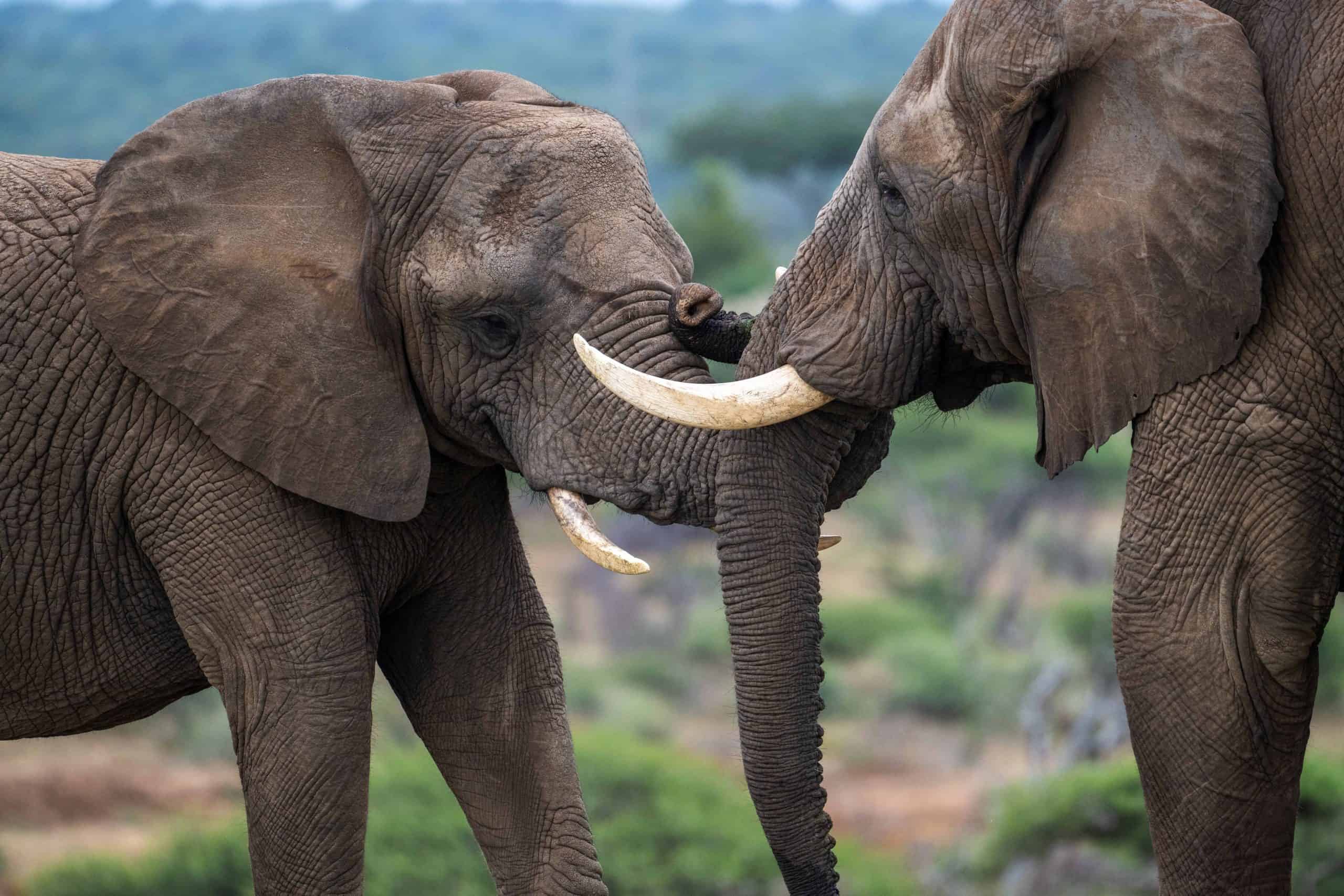
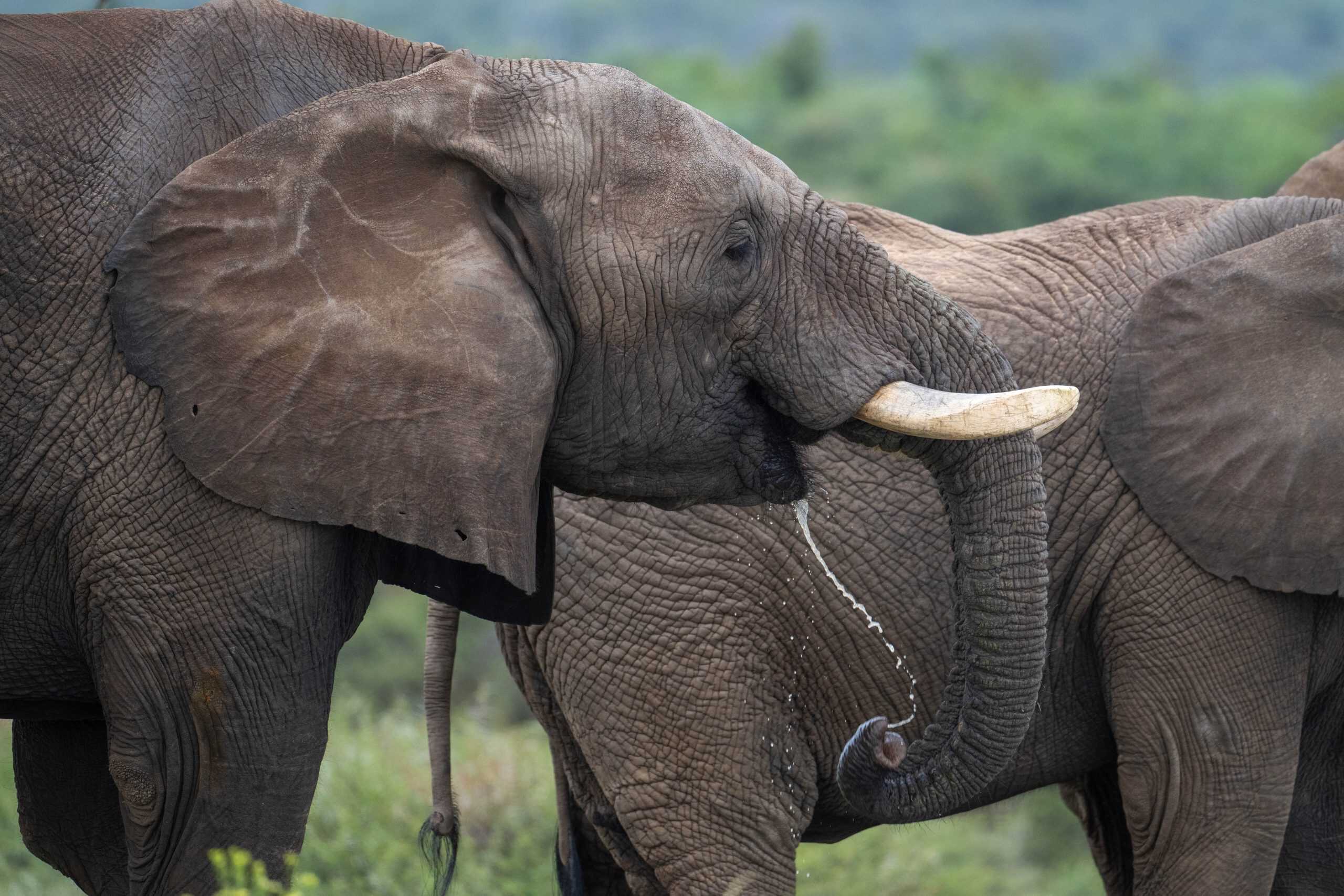
Bana grass, or elephant grass, remains a vital supplementary food source for the Jabulani elephant herd. It provides an excellent source of nutrition, including protein and fibre, and is fed to the herd in the stables at night. But recently, keeping this plantation alive and providing enough for the herd has been a full-time job. But the severe drought and record-breaking flooding were no match for our bana grass plantation.
Our reserve is situated in the Limpopo province of South Africa, a semi-arid region. Normally, precipitation received is below potential evapotranspiration. Meaning more water evaporates than can be replenished through rainfall, but not so much so that it is considered a desert. But during the 2025 rainy season, rainfall was much lower than normal, leading to a severe drought that made it harder for the elephants to find adequate food in the bush.

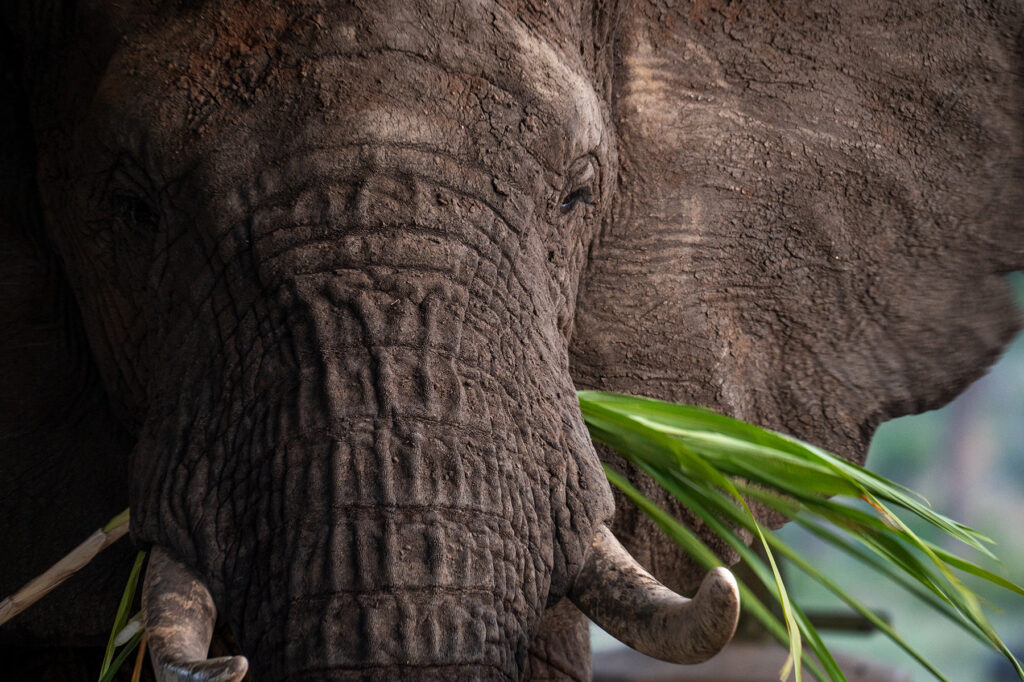

One year ago, we shared insight into the foundations of our Bana Grass replanting programme and the agricultural commitment required to sustain it long term. Like all cultivated crops, bana grass has a defined productive lifecycle of approximately seven to eight years. Once mature stands decline, fields must be cleared, soil fertilised and rested, and new cuttings carefully prepared for replanting to ensure continued productivity.
During the 2025 rainy season, rainfall was significantly below average, resulting in severe drought conditions across the region. Natural forage availability declined, placing additional pressure on managed reserves to ensure consistent nutritional support. At the same time, our ageing bana grass plantation had reached the end of its lifecycle, requiring full replanting.
Thanks to the backing from Animal Survival International and their supporters, we were able to replant three hectares (approximately seven and a half acres) of bana grass in early January 2026. Each hectare has approximately 100 rows of bana grass, able to feed all 15 of our elephants for more than five months each.
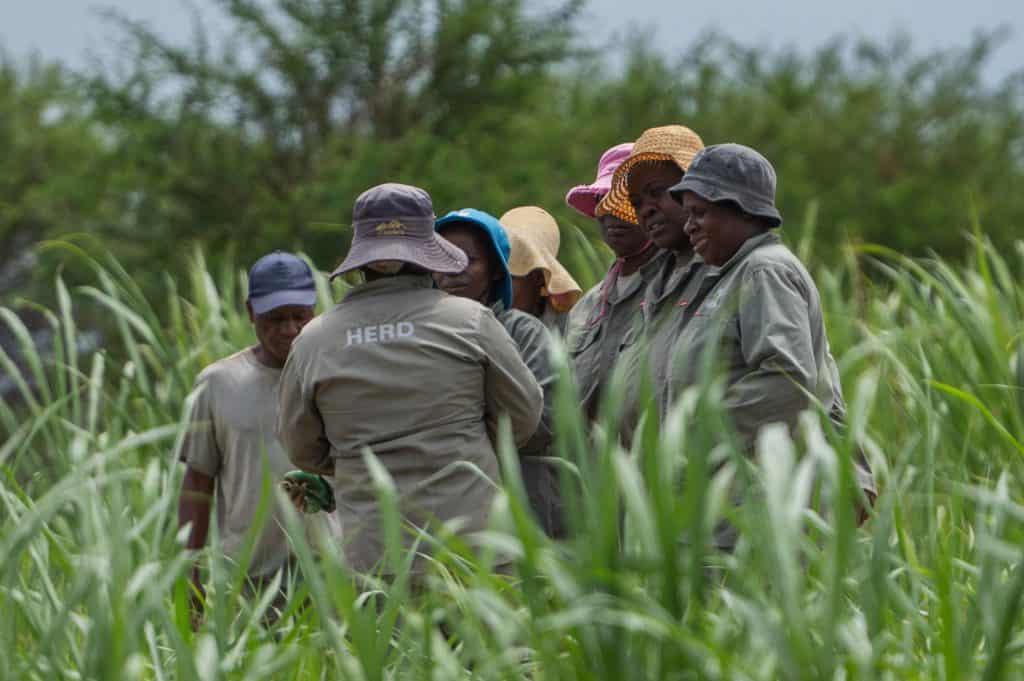
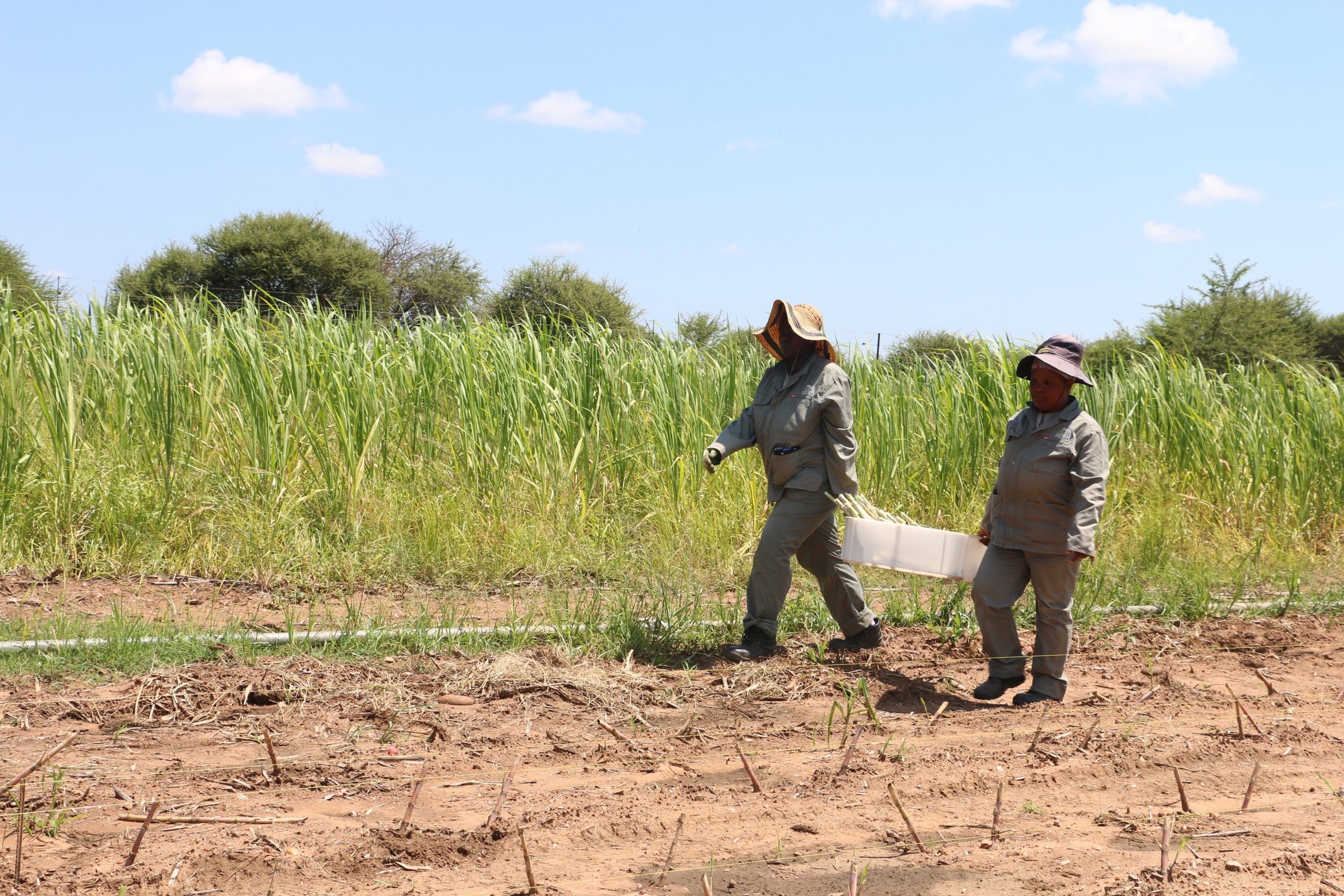
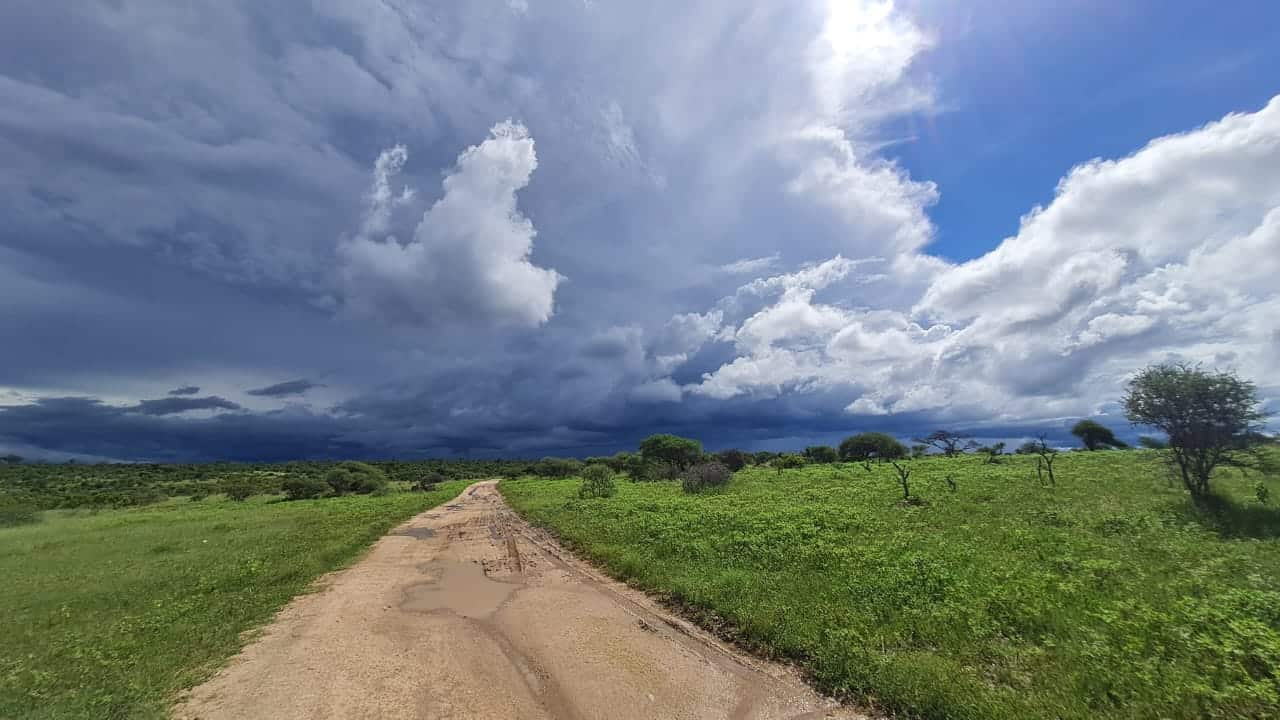
However, the newly planted bana grass did not have an easy start in life as mid-January greeted HERD with record rainfall. As the rain kept falling, rivers started to rise, pushing beyond their normal routes. Large-scale flooding swept through much of the Limpopo and Mpumalanga province, causing damage to roads, bridges and buildings. Strong water flow across saturated soils, led to erosion and instability.
Fearing that the bana grass might be too young to withstand the force of the floodwaters, we waited for the waters to recede. Luckily, the bana grass plantation was not swept away, but the plantation was severely waterlogged and accessing it with a vehicle was out of the question. It would be three weeks before we could enter the plantation on foot.
While bana grass is normally able to handle a lot of moisture, the amount of rain that fell in January 2026 caused some plants to rot, and we had to remove these plants.
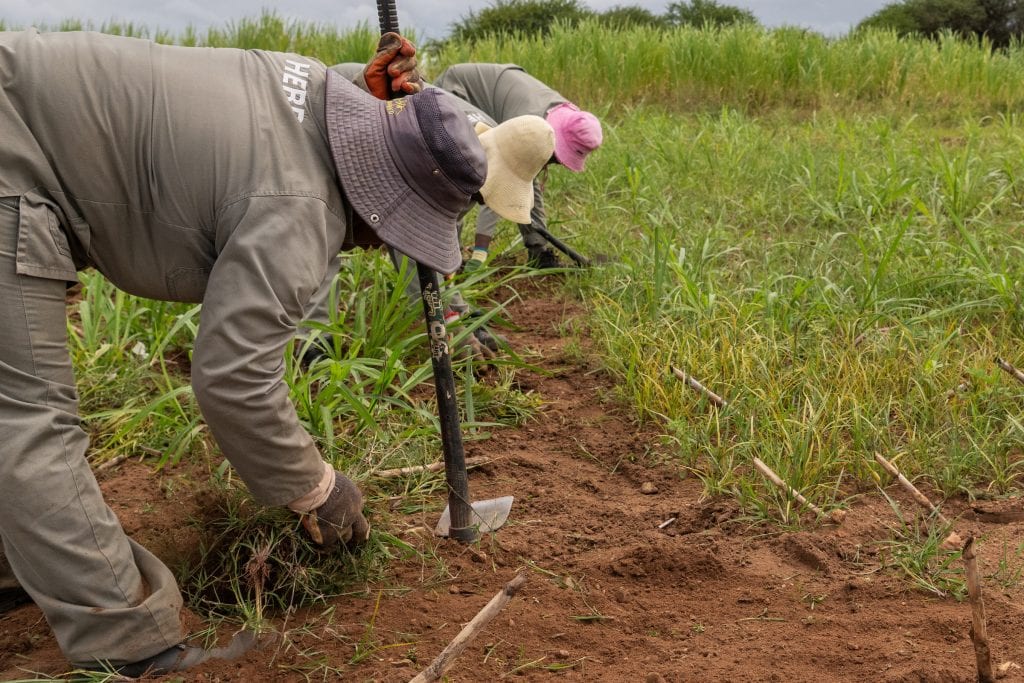
By the time we were able to enter, the plantation was covered in weeds, which must be removed as soon as possible to prevent them from inhibiting bana grass growth. Since the area is still very wet, our reserve workers have been forced to remove the weeds with hand tools, instead of using a tractor. This will be an ongoing process for the next couple of weeks until all the weeds have been cleared and the bana grass can grow without restriction.
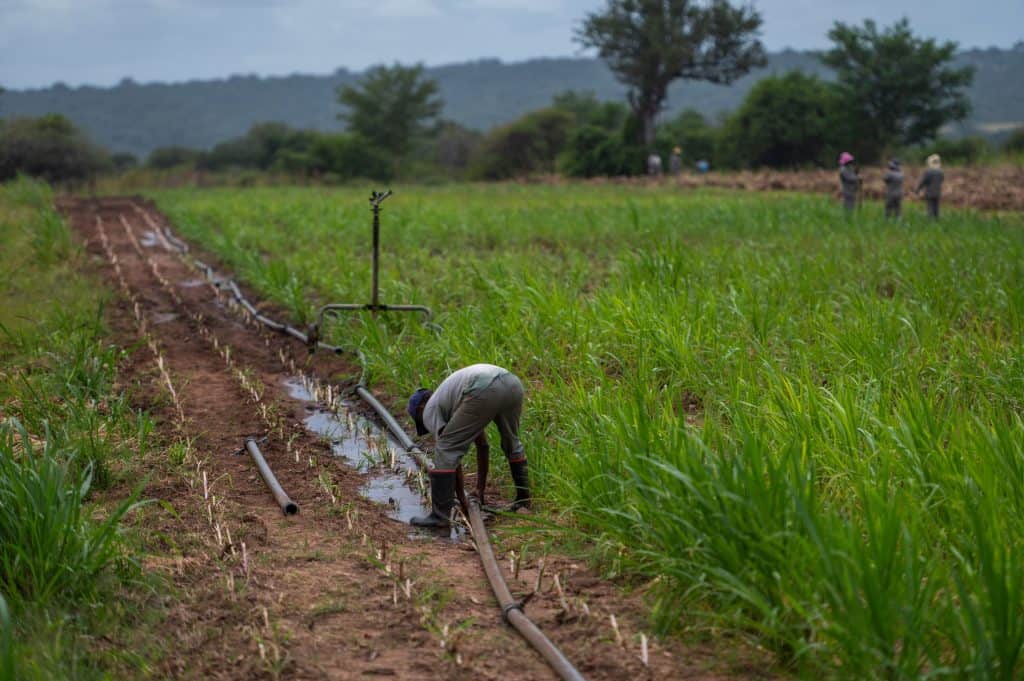
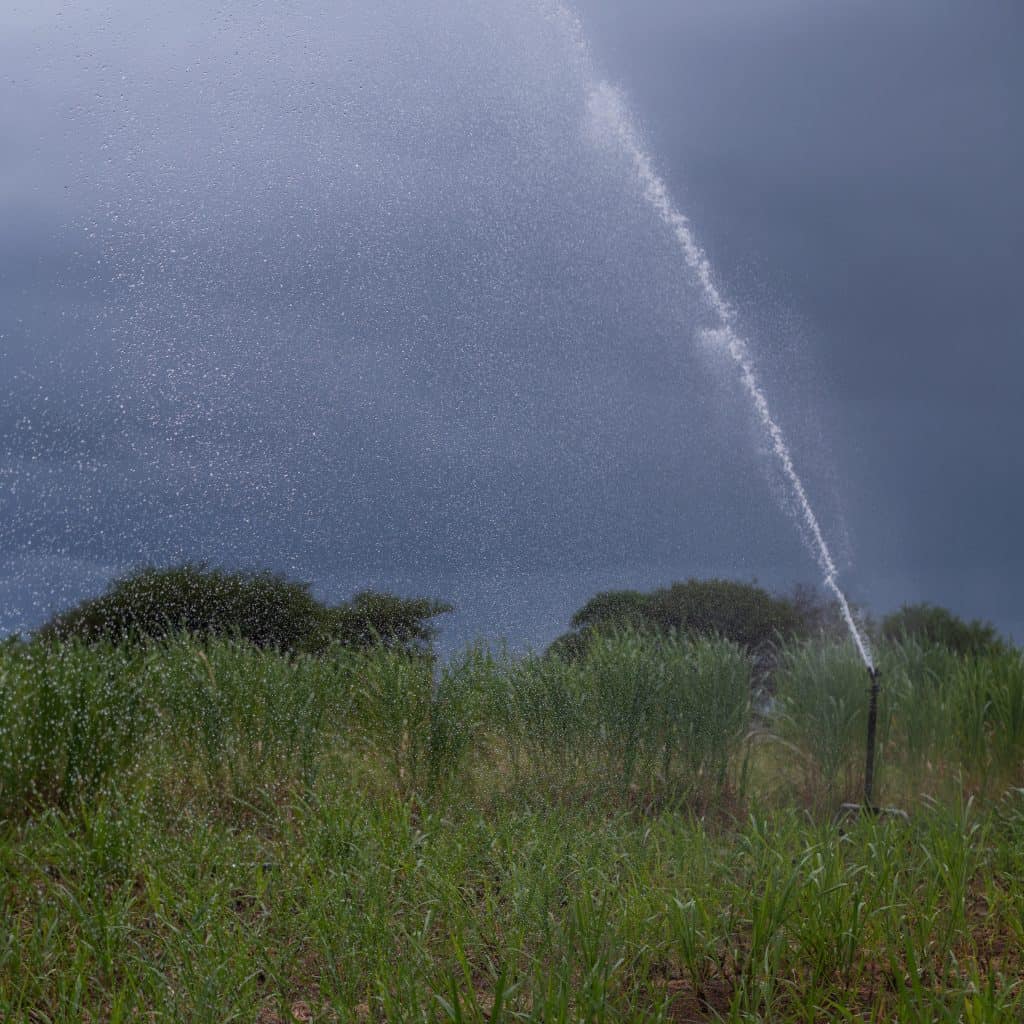
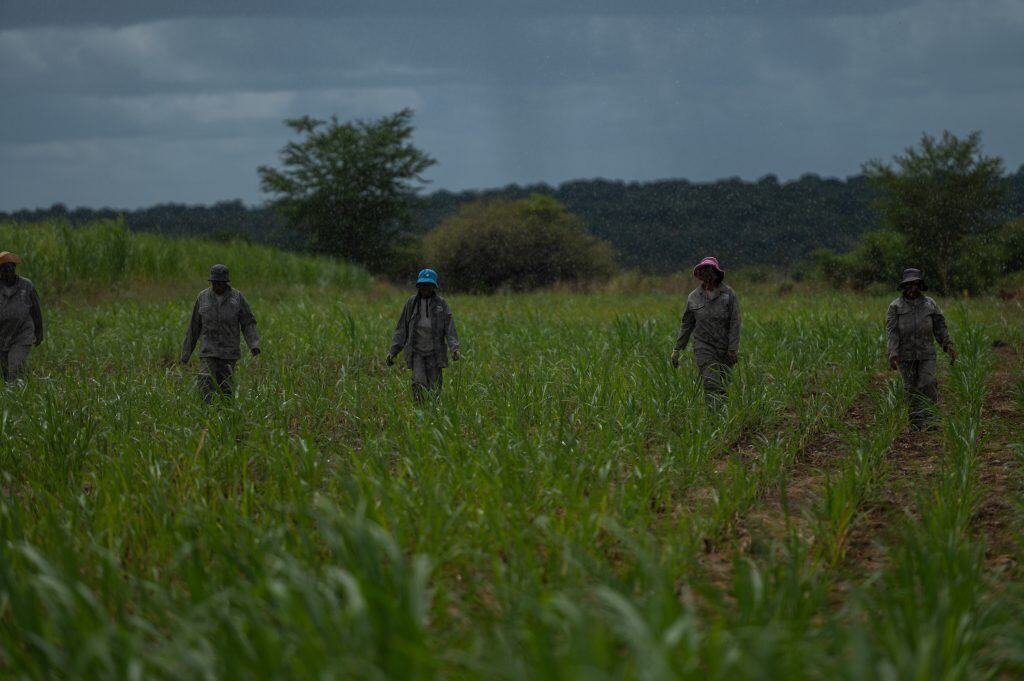
With the situation now stable, our focus has shifted from emergency response to long-term restoration, ensuring that the elephants, the land, and the people who care for them can fully and sustainably recover.
The bana grass is currently thriving and will be a crucial part of our elephants’ nutrition leading into the autumn and winter months.
We remain deeply grateful to our supporters whose continued backing enables this long-term work, sustaining not only the herd, but also the local community members who assist in caring for the plantation and the broader reserve.


Lesley
My hat is off to everyone at HERD; the elephant carers, the Jabulani Ladies, the Homestead workers, the field workers and all staff on the ground! I know that each and every single one of you are ‘doing their bit’ towards the running and maintaining of the vital conservation work need to sustain the HERD initiative. Bless you all, for showing up every day.