

Lundi’s Injury | A Mud Bath Turned Critical
- 11 April 2026
-
4
-
-


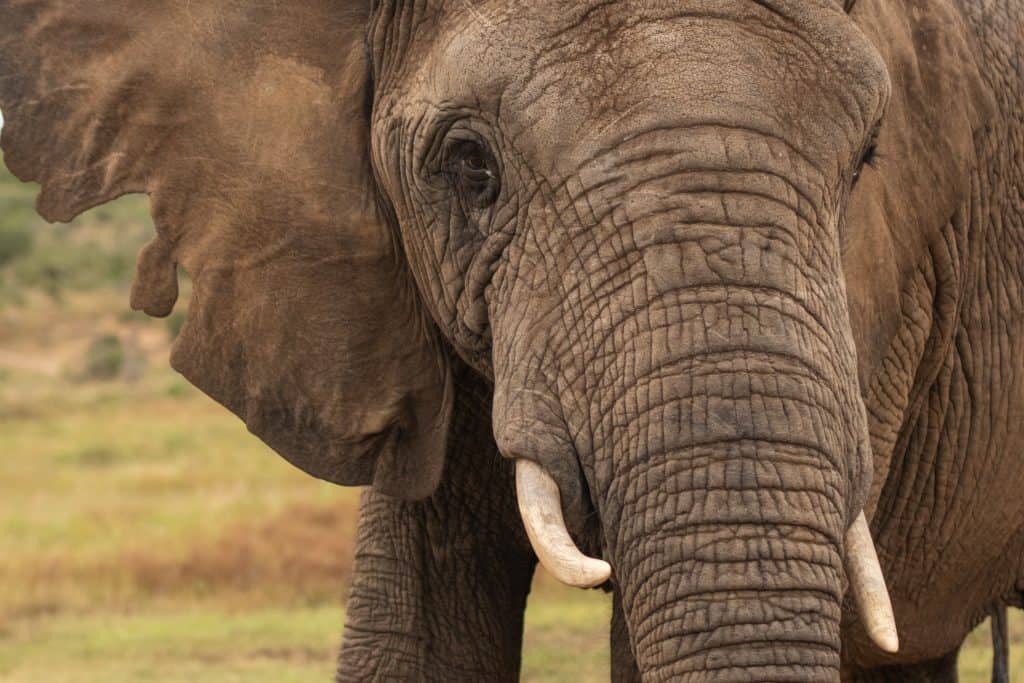
On Sunday, 29 March 2026, on a hot late-summer day, the elephants headed out for their usual afternoon visit to the waterhole, a daily ritual that offers relief from the heat and time for social interaction.
Lundi, never one for swimming, did what she usually does. After drinking, she chose the mud instead, coating herself to cool down and protect her skin from the sun. Mud baths are her happy place, and for a moment, everything was calm.
When Sebakwe decided to join the mud playground, he attempted to push his way in. When Lundi did not move aside quickly enough, the interaction escalated very quickly. In a sudden and severe attack, Sebakwe struck her with his tusk.
Lundi could not make a quick escape.
His curved tusk penetrated her skin just above her mammary glands, behind the elbow of her leg. She lost an alarming amount of blood, far more than we would ever expect. The wound was large, reflecting the size and power of Sebakwe’s tusks.
At first, there was a terrifying concern that her lungs had been penetrated, as blood poured from the wound. However, the carers noticed there were no air bubbles, suggesting the lung had been missed. If anything helped in that moment, it may have been the curve of Sebakwe’s tusk, deflecting upward rather than straight into her chest cavity.
When Sebakwe smelled the blood, he pulled back abruptly. We do not believe he anticipated the severity of what had happened. A year earlier, he had a similar confrontation with Tokwe over space in a mudpool, a dominance interaction that ended without injury. This time was very different.
Emergency Response
Dr Rogers was called immediately and, incredibly, was available on that Sunday. While he rushed to collect his dart gun, medication, and equipment, the wait felt incredibly long, and the carers kept Lundi as still as possible. It was clear that walking caused her to bleed more.
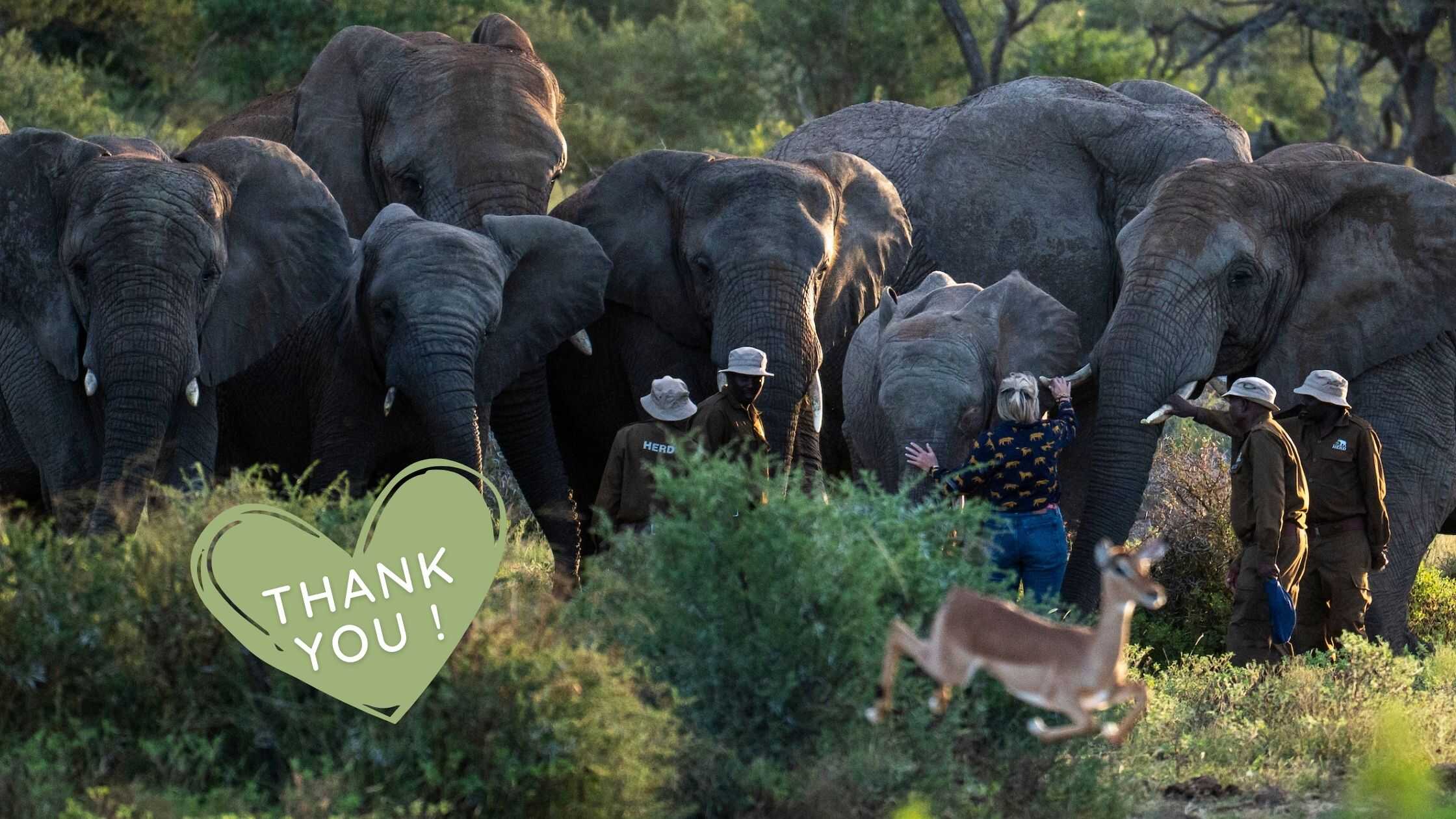
For everyone’s safety, and to give Lundi the best possible care, the elephants were slowly walked back to the homestead. Working in the open bush would have been unsafe, both for the veterinary team and the carers. At the homestead, all hands could assist without the added risk of unpredictable elephant reactions.
Dr Rogers performed a standing sedation, thoroughly flushed the wound with Hibitane, and closed it with four large stitches. Due to the depth of the injury, he also injected long acting antibiotics directly into the wound using a syringe and long plastic tubing to reduce the risk of infection.
Antibiotics are essential in cases like this. They help to prevent infection and support healing, especially when a wound is deep and has been exposed to mud.
Why the Blood Didn’t Mean a Lung Injury
Veterinarian Dr Johan Marais helped clarify something important about elephant anatomy.
Unlike most mammals, elephants’ lungs are not suspended in a pleural cavity. Instead, they are attached directly to the chest wall and ribs by dense, fibrous connective tissue. This unique adaptation allows elephants to snorkel and withstand water pressure when submerged.
Because of this structure:
• Penetrating chest wounds often do not produce bubbling air
• The fibrous tissue can seal quickly
• Lung collapse is less likely than in other mammals
Even if an object passes between the ribs, lung penetration is not easy. This anatomy likely saved Lundi’s life.
The Days After
Dr Rogers is comfortable with how the wound has been managed, particularly because gravity allows it to drain freely through the stitches. Tigere monitored Lundi throughout the night, and thankfully she remained stable, with no excessive bleeding.
The next day she was stiff, as expected. Feeding was kept nearby, movement limited, and daily wound care began. Each morning the wound is sprayed with F10 Germicidal Wound Spray and carefully checked for heat, swelling, or discharge. One stitch has since worked loose, but overall healing is progressing well.
We are profoundly grateful that:
• No ribs were damaged
• The lungs were not penetrated
• The wound can drain naturally
Had the tusk been straight and sharp, like Kumbura’s, for example, the outcome could have been very different, though Kumbura himself would never behave this way.
A Reminder of Wild Complexity
This incident is a sobering reminder that even deeply bonded elephant herds retain their wild instincts, strength, and hierarchy. Our role is not to intervene in natural behaviour, but to be ready when accidents happen.
Lundi’s resilience, the carers’ calm response, and the incredible veterinary support she received made all the difference.
And for that, we are deeply grateful.


Glenda
Thank God she is going to be alright! Amazing teamwork!