

A Day in the Life of a HERD Elephant
- 18 December 2025
-
3
-
-


The Morning at the Homestead
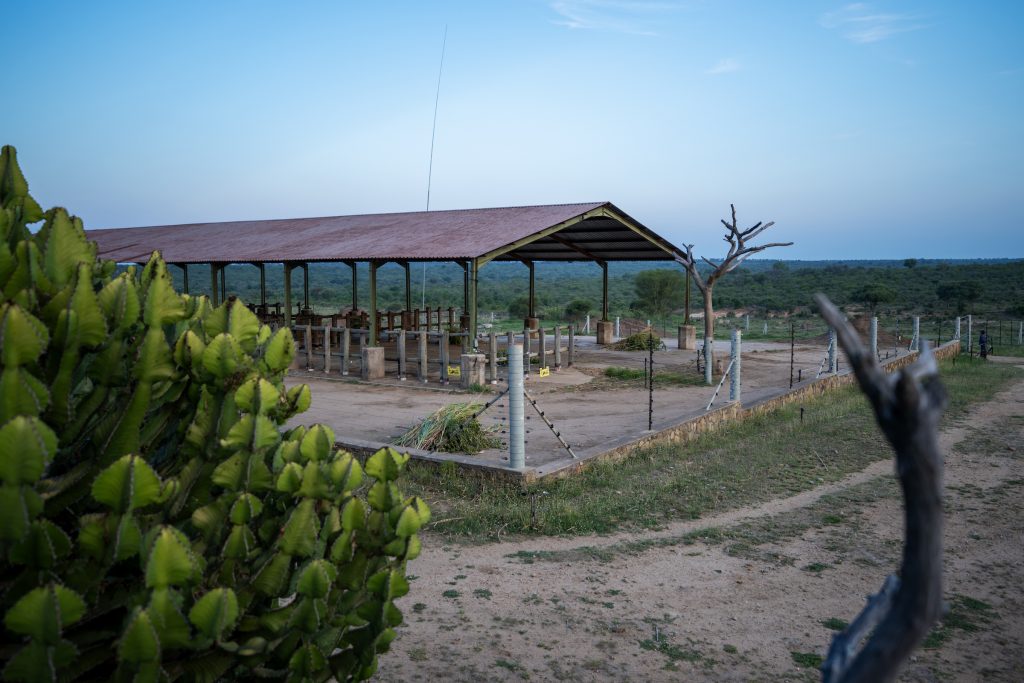
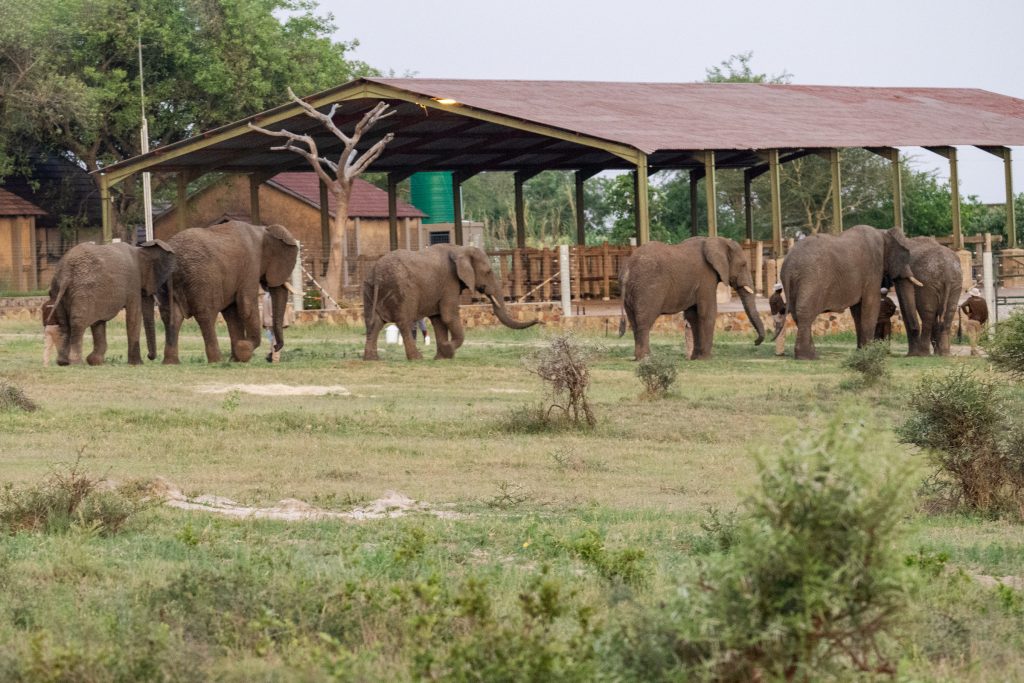
Each night, the rescued herd rests safely at the HERD homestead, a space carefully designed to meet their social and physical needs. The homestead is divided into four large quadrants to prevent conflict, especially among older bulls, and to ensure every elephant sleeps comfortably. Groupings are determined by social bonds, bloodlines and individual requirements:
- Jabulani, Lundi and her son Mambo
- Tokwe, Fishan, and the young orphans, Kumbura, Timisa and Khanyisa, alongside Tokwe’s daughter, Pisa
- Sebakwe, Setombe and her daughter Klaserie
- Bubi, her son Zindoga, and older bull Somopane
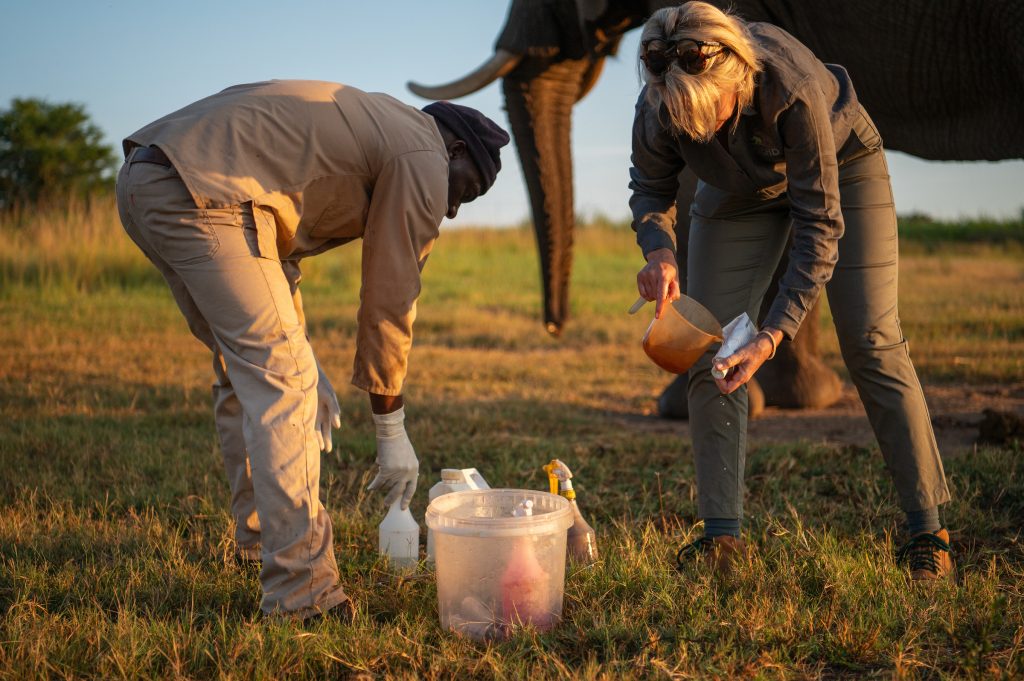
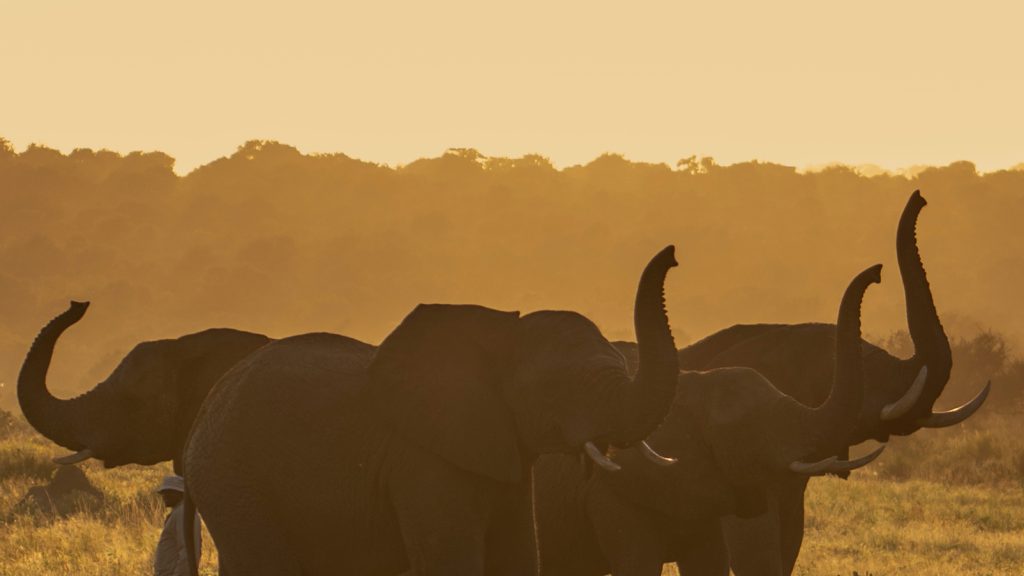
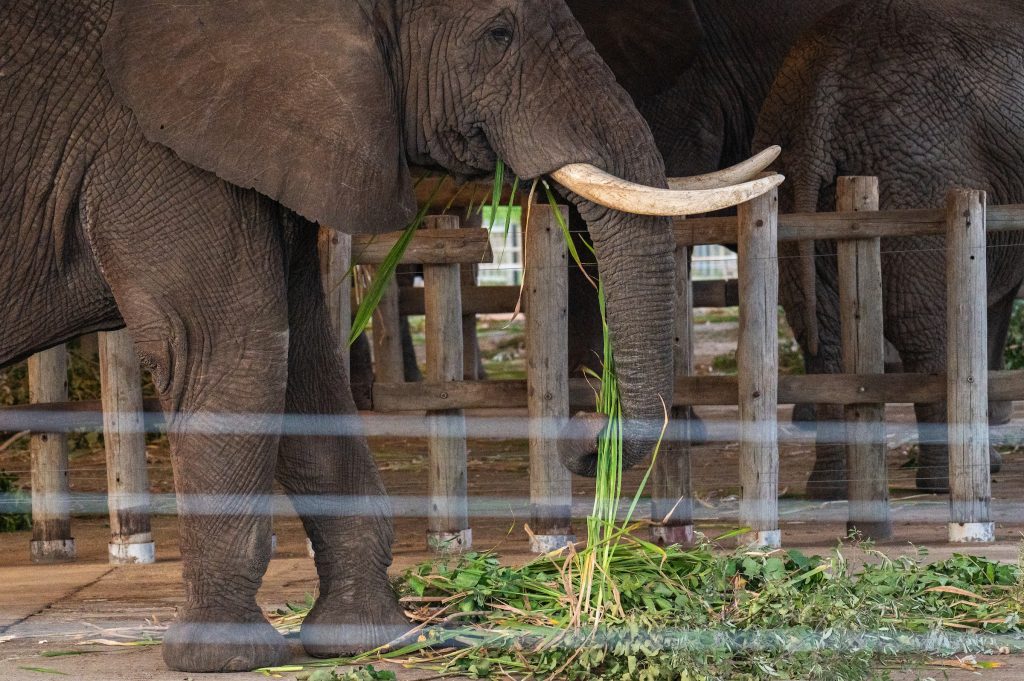
As the sun rises, some elephants remain lying on sand mounds while others begin to stir. Morning feeding begins with fresh bana grass, lucerne, branches and clean water at their troughs. Carers perform health checks, attending to injuries or specific conditions. Fishan, for example, receives daily care for a leg pressure wound.
Into the Reserve
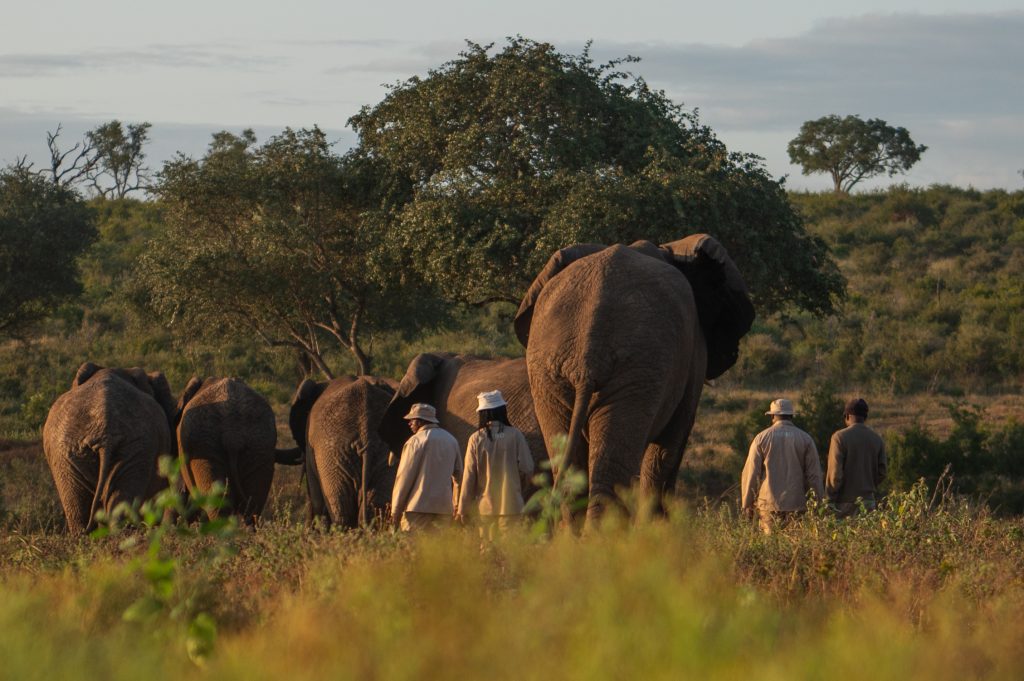
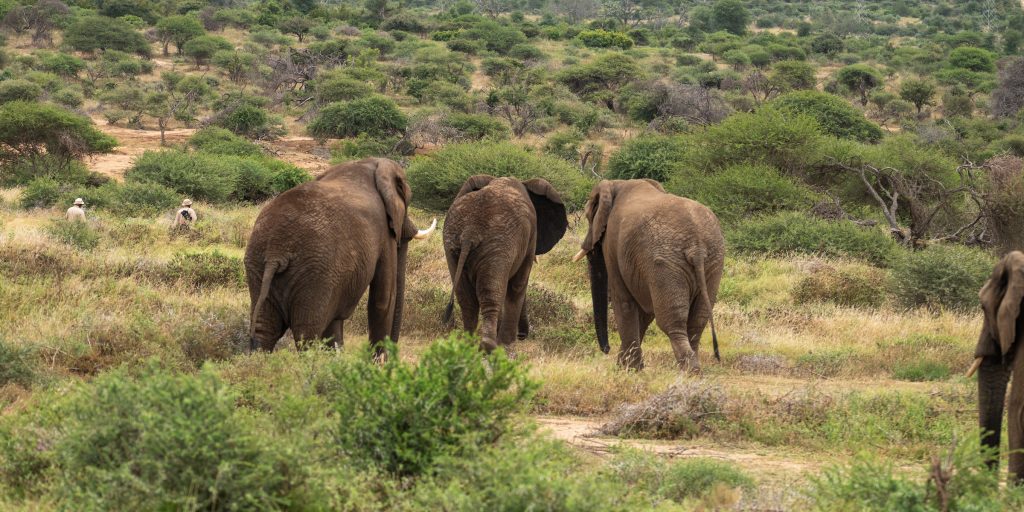
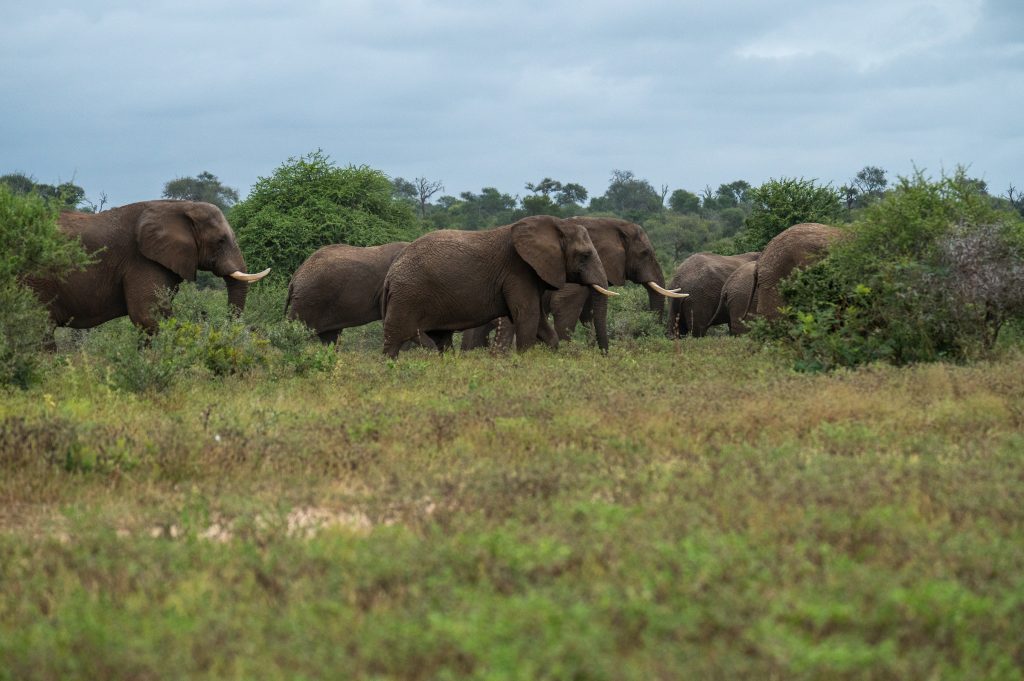
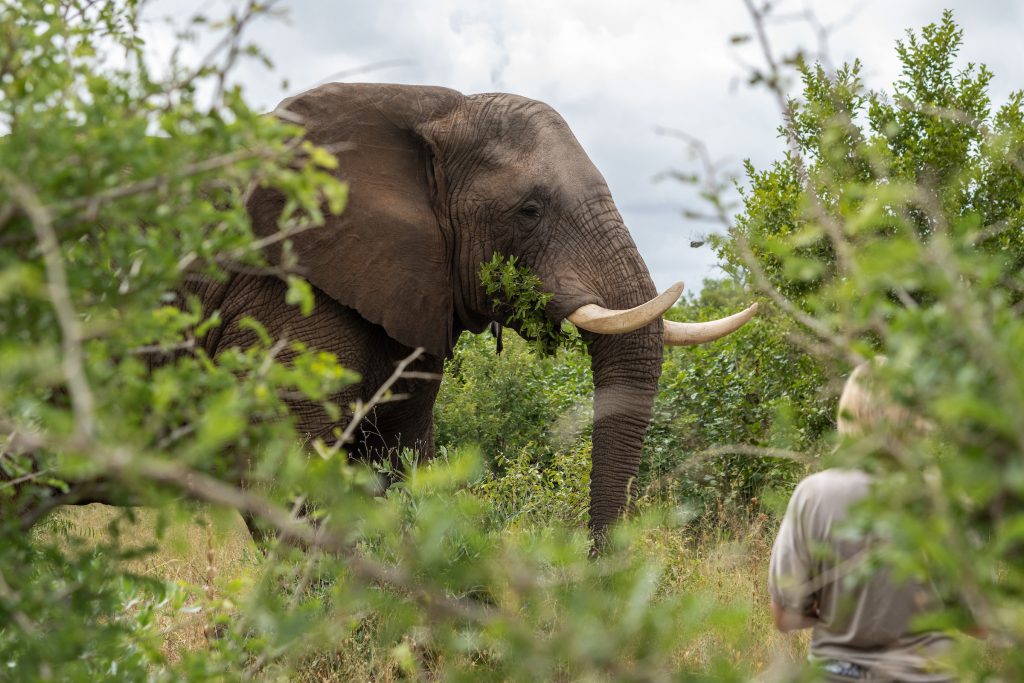
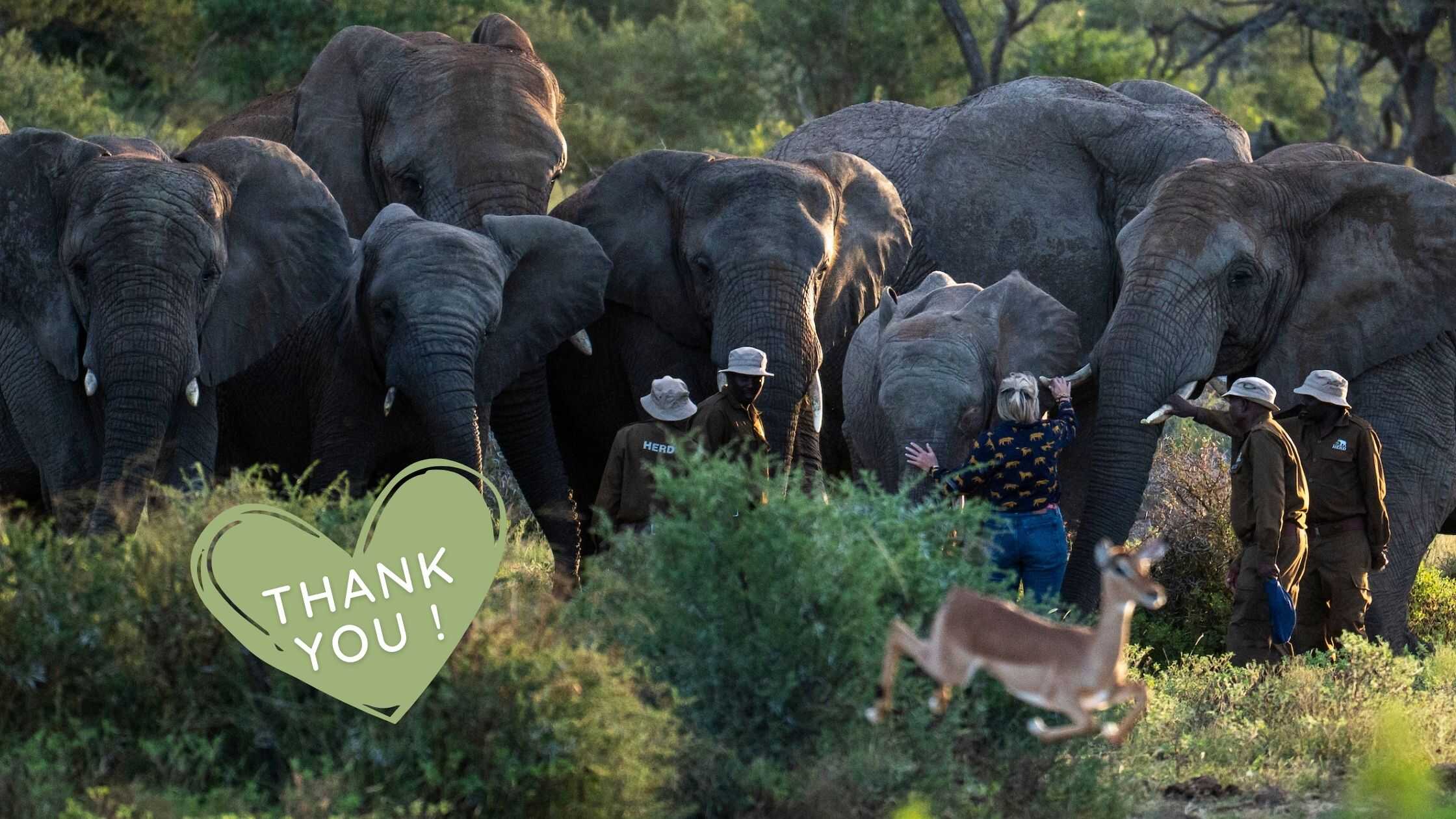
After breakfast, the herd moves into the surrounding bushveld, sometimes joined by younger orphans in the early stages of rehabilitation. Here, they spend the day roaming, foraging, playing, bathing and resting. Carers accompany them, ensuring safety and guiding interactions with wildlife or unfamiliar scents.
Feeding areas are rotated to prevent overgrazing and support the sustainability of the landscape. Elephants choose their meals from grasses, leaves, bark, fruit and bulbs, often sticking close to preferred companions. Young elephants learn through observation and social play, while older elephants guide and protect them.
Foraging and Learning
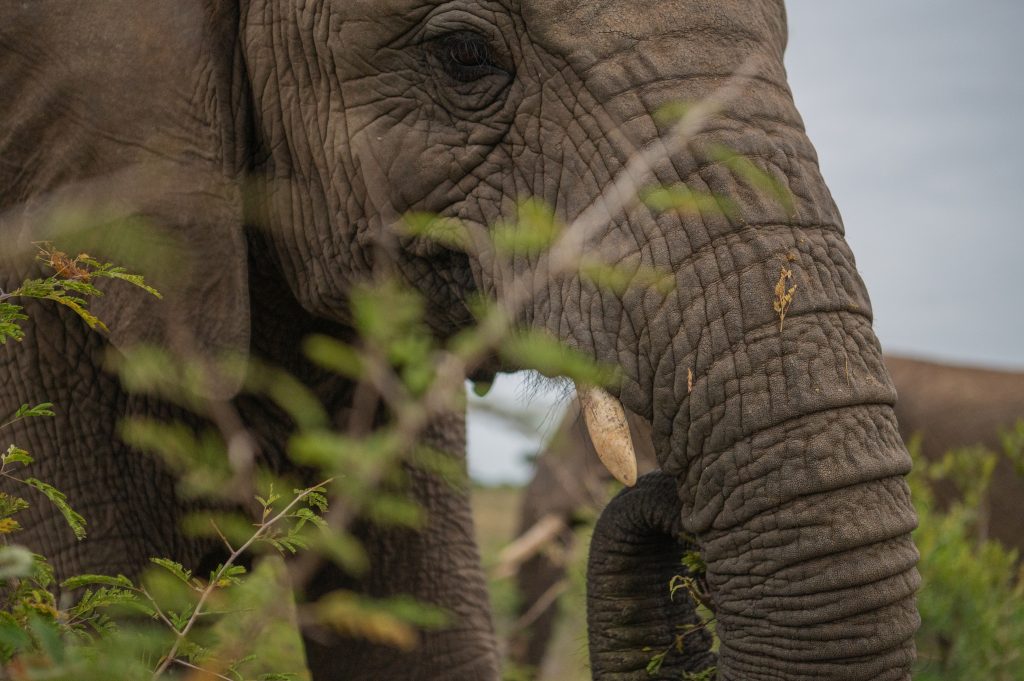
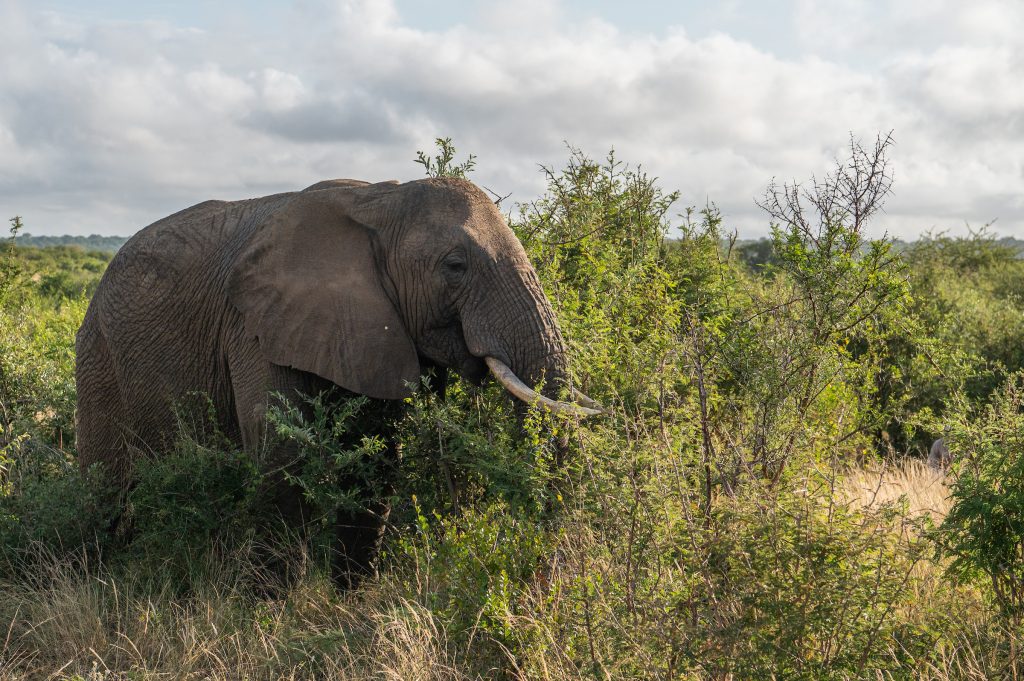
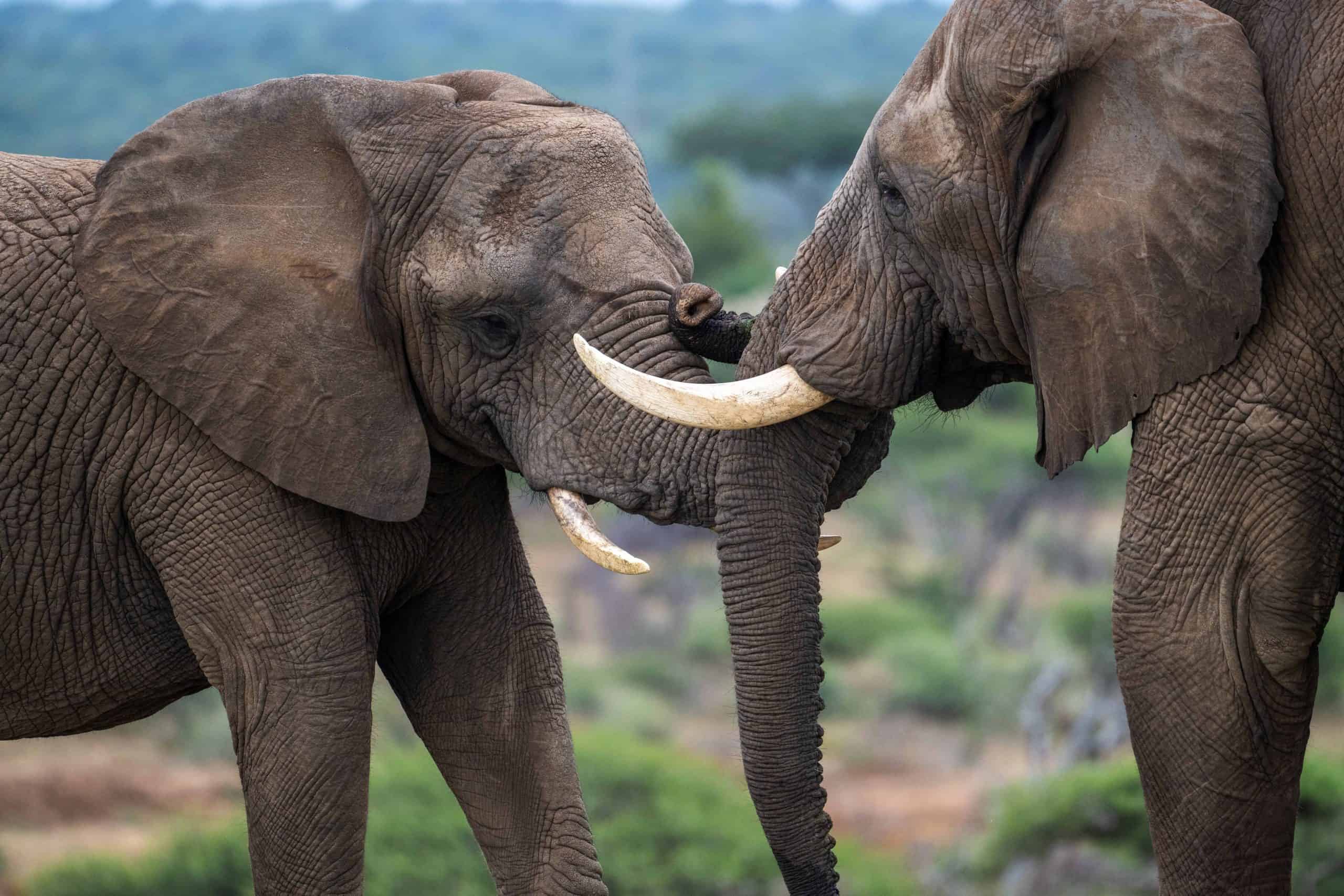
Time in the wild is essential for social and physical development. Bulls test strength through sparring, and older cows teach herd etiquette and nurturing skills. Orphans like Khanyisa initially relied on milk bottles while out in the bush, but they also suckled gently from older females, who provided comfort and reinforced maternal bonds.
Through observation and repetition, youngsters learn to forage, use their trunks effectively and behave like elephants. Each interaction strengthens their skills, confidence and place within the herd.
Midday Swims and Mud Baths
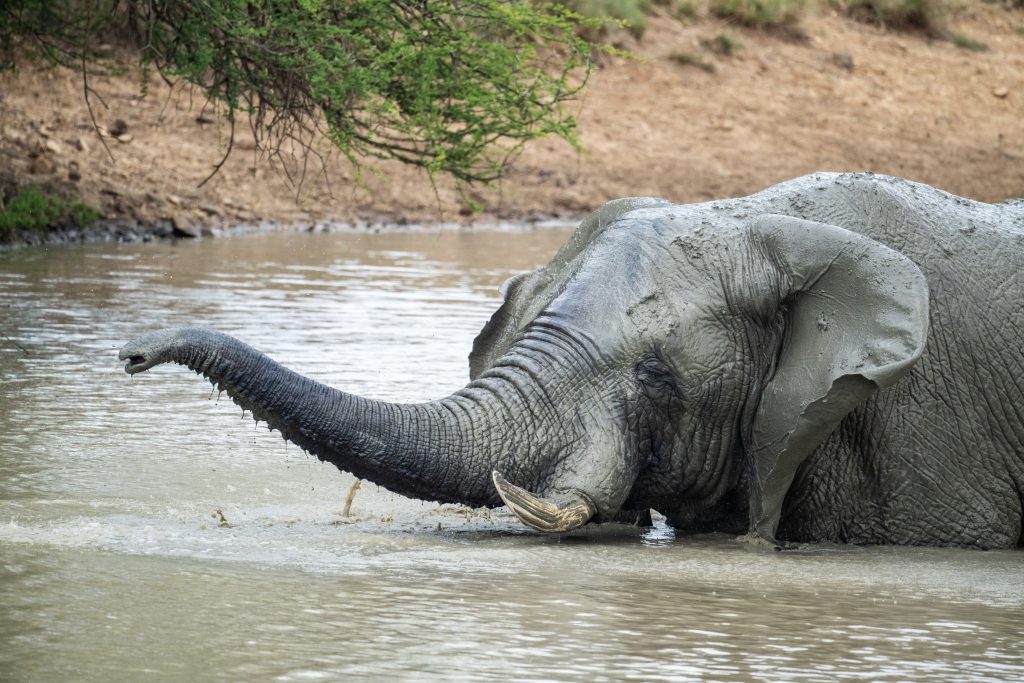
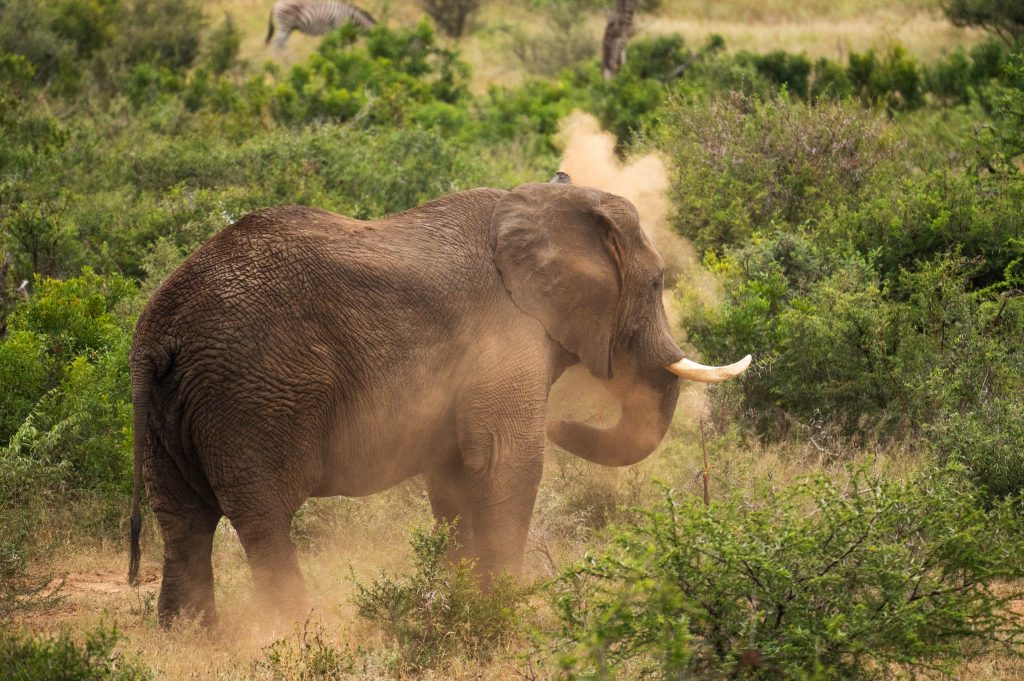
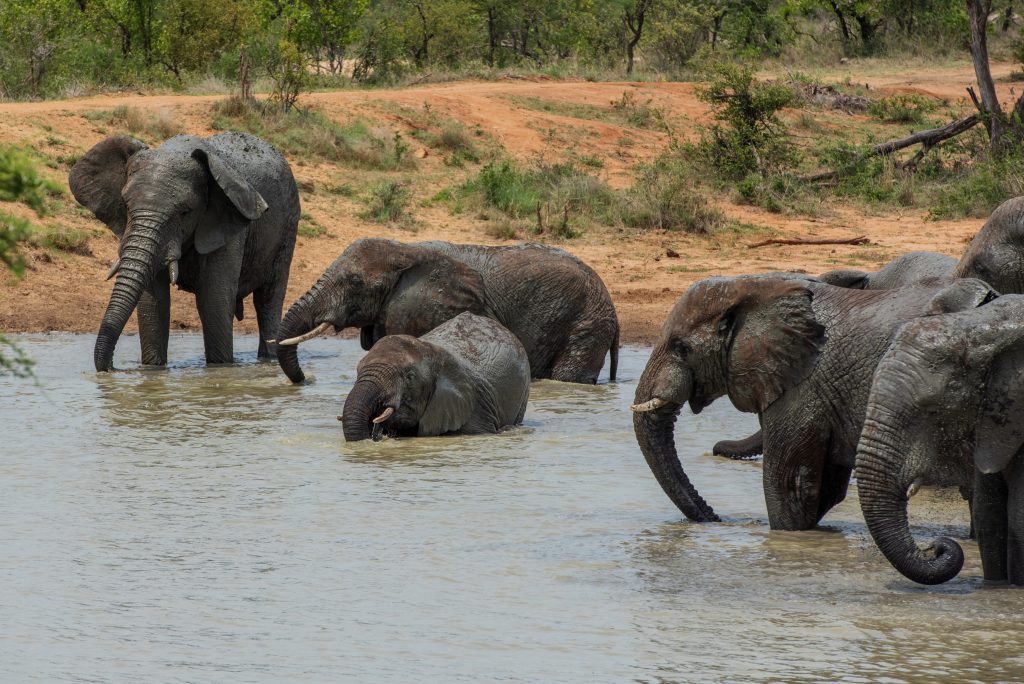
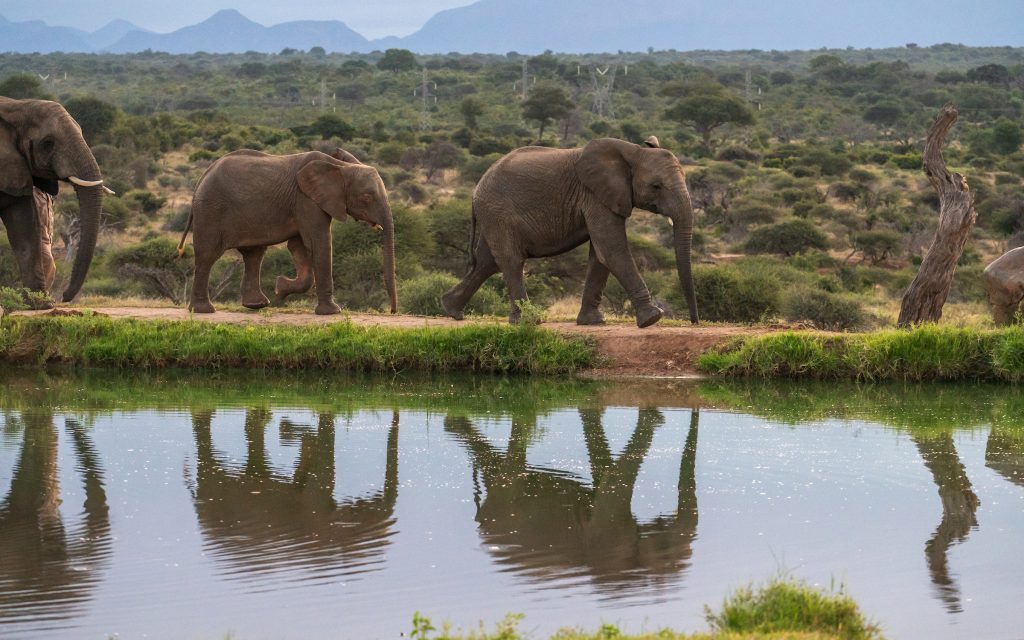
By midday, the herd heads to the waterhole. Some, like Khanyisa and Sebakwe, dive in enthusiastically, while others, such as Lundi, prefer dust baths on dry land. Fishan wades carefully, using water to ease discomfort in his injured leg. Older elephants protect the youngsters, ensuring everyone enjoys these moments safely.
This period also allows carers to rotate shifts, with some returning to the homestead while others continue with the herd. The elephants act as guardians and teachers, supporting one another naturally.
Heading Home
After walking 10 to 20 kilometres throughout the day, the herd returns to the homestead at sunset. Carers prepare by cleaning the area, removing leftover food and dung, restocking fresh bana grass and lucerne, and rebuilding sand mounds to ease joint strain and improve comfort for sleeping. Special treats, like donated oranges or cabbage, are sometimes added.
As the elephants settle, the homestead returns to peaceful quiet. Deep rumbles across sand beds signal contentment and security, a sign that the herd is safe and at ease for the night.
Every Day Is Unique
At HERD, every day is a step toward healing, growth, and living as close to the wild as possible. Though routines repeat, no two days are ever the same; each one is filled with connection, learning and pure joy, reminding us why these elephants are worth every moment of care and dedication.


seo experten
. thank you
Lesley
My eyes have not forgotten what my heart saw during my visit and stay at Jabulani this year. Thank you for this lovely reminder in a day in the life of a HERD elephant; I came back to you in an instant.
Steven
Thank you for this informative narrative. But more importantly, thank you for the incredible work you all do. What the injured and orphaned elephants would do without your intervention and loving care is unimaginable. Once again, thank you!